
The Art of Travel Web Design
Travelling is a passion that ignites the soul and broadens the mind. In today’s digital age, the journey begins long before stepping foot on foreign soil. It starts with a click, a scroll, and an immersive experience on a travel website.
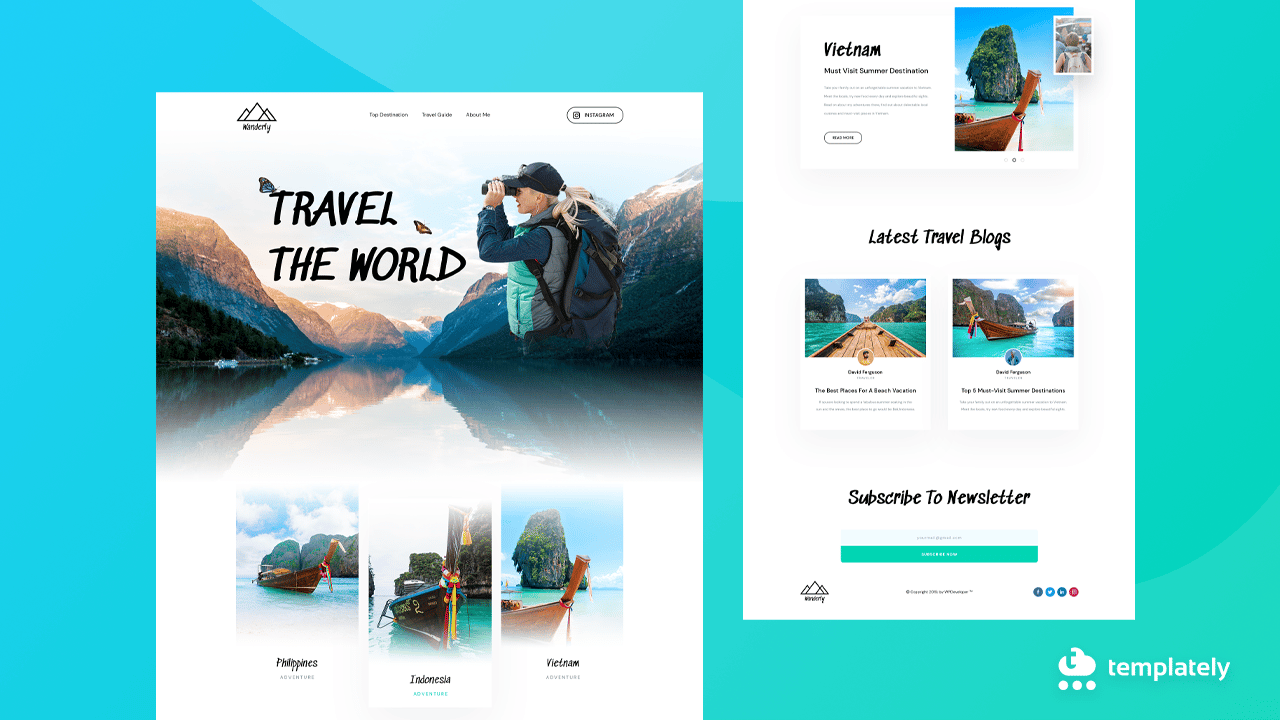
Travel web design is not just about showcasing destinations; it’s about capturing the essence of exploration and adventure. A well-designed travel website can transport visitors to exotic locales, entice them with tantalising imagery, and inspire them to embark on their next journey.
From sleek user interfaces to seamless booking systems, every element of a travel website plays a crucial role in shaping the user experience. Navigating through a site should feel like embarking on a voyage, with intuitive menus guiding travellers along their virtual itinerary.
Visual storytelling is paramount in travel web design. High-quality photos and videos can evoke wanderlust and create an emotional connection with potential travellers. Interactive maps, immersive 360-degree tours, and user-generated content further enhance the sense of discovery.
Responsive design is essential in ensuring that travellers can access vital information anytime, anywhere. Whether browsing on a desktop computer or a mobile device, users should be able to seamlessly research destinations, compare prices, and make reservations with ease.
Personalisation is another key aspect of modern travel web design. Tailoring recommendations based on user preferences and past interactions can enhance engagement and foster loyalty. Customised experiences make travellers feel valued and understood.
Incorporating social proof through reviews, ratings, and testimonials can build trust and credibility among potential customers. Authentic feedback from fellow travellers can influence booking decisions and shape perceptions of destinations.
As technology continues to evolve, so too must travel web design. Innovations such as virtual reality experiences, artificial intelligence chatbots, and voice search capabilities are reshaping the way travellers interact with websites.
In conclusion, travel web design is an art form that blends creativity with functionality to create unforgettable digital experiences for wanderlust-driven individuals. By embracing cutting-edge technologies and user-centric principles, designers can craft websites that not only inform but inspire travellers to embark on their next great adventure.
Essential FAQs on Travel Web Design: Enhancing Tourism Through Innovation and User Experience
- What is travel web design?
- Why is travel web design important for the tourism industry?
- How can visual storytelling enhance a travel website?
- What are the key elements of responsive design in travel websites?
- How does personalisation improve the user experience on a travel website?
- Why is social proof crucial in building trust on travel websites?
- What are some innovative technologies shaping the future of travel web design?
- How can a well-designed booking system streamline the reservation process for travellers?
- What role does user experience play in determining the success of a travel website?
What is travel web design?
Travel web design encompasses the art and science of creating visually captivating and user-friendly websites dedicated to all aspects of travel and tourism. It involves crafting digital experiences that transport visitors to exotic destinations, inspire wanderlust, and facilitate seamless trip planning. From stunning visuals to intuitive navigation, travel web design aims to evoke emotions, provide essential information, and guide users through a virtual journey that mirrors the excitement and anticipation of real-world travel. By combining aesthetic appeal with practical functionality, travel web design strives to engage users, build trust, and ultimately drive conversions in the competitive online travel industry.
Why is travel web design important for the tourism industry?
Effective travel web design is pivotal for the tourism industry due to its ability to shape the online presence of destinations, accommodations, and travel services. A well-crafted travel website serves as a virtual gateway for potential travellers, offering them a glimpse into the unique experiences and offerings of a destination. By providing intuitive navigation, visually engaging content, and seamless booking functionalities, travel web design can significantly influence user decisions and drive conversions. In an increasingly digital landscape, where travellers rely heavily on online research and booking platforms, a visually appealing and user-friendly website can be the key differentiator in attracting visitors and fostering brand loyalty within the competitive tourism industry.
How can visual storytelling enhance a travel website?
Visual storytelling is a powerful tool that can elevate a travel website from being merely informative to truly captivating. By incorporating stunning imagery, immersive videos, and engaging graphics, visual storytelling can transport visitors to exotic destinations, evoke emotions of wanderlust, and create a deep connection with the essence of travel. Through compelling visuals, a travel website can paint a vivid picture of the experiences awaiting travellers, enticing them to explore further and ultimately inspiring them to embark on their own adventures. In essence, visual storytelling transforms a travel website into a virtual journey that stirs the imagination and leaves a lasting impression on visitors.
What are the key elements of responsive design in travel websites?
Responsive design in travel websites is essential for ensuring a seamless and user-friendly experience across various devices. Key elements include flexible layouts that adapt to different screen sizes, ensuring content remains easily accessible and readable. Fluid images that resize proportionally, scalable typography for improved legibility, and touch-friendly navigation are also crucial components. Media queries enable the website to adjust styling based on device characteristics, while performance optimization ensures fast loading times. Overall, responsive design in travel websites prioritizes usability and accessibility, allowing travellers to access information and make bookings conveniently regardless of the device they are using.
How does personalisation improve the user experience on a travel website?
Personalisation plays a pivotal role in enhancing the user experience on a travel website by tailoring content and recommendations to individual preferences. By leveraging data on past searches, bookings, and interactions, a travel website can offer personalised destination suggestions, accommodation options, and activity recommendations that resonate with the user’s interests. This level of customisation not only saves time for the traveller but also creates a more engaging and relevant browsing experience. Personalised notifications, special offers, and curated travel itineraries further enrich the user journey, making each visit to the website feel uniquely tailored to the individual’s needs and desires. Ultimately, personalisation fosters a sense of connection and understanding between the user and the website, leading to increased satisfaction, loyalty, and ultimately conversions.
Why is social proof crucial in building trust on travel websites?
Social proof is essential in building trust on travel websites because it provides potential travellers with authentic feedback and recommendations from fellow explorers. In an industry where experiences can vary widely, hearing about other travellers’ positive experiences through reviews, ratings, and testimonials helps to alleviate doubts and uncertainties. By showcasing real-life stories and opinions, travel websites can instil confidence in users, reassuring them that the destinations, accommodations, and activities being promoted are reliable and worth exploring. Social proof acts as a powerful tool in influencing booking decisions and shaping perceptions of destinations, ultimately fostering trust and credibility among visitors seeking to embark on their next adventure.
What are some innovative technologies shaping the future of travel web design?
In the dynamic landscape of travel web design, innovative technologies are shaping the future of user experiences and interactions. From virtual reality (VR) experiences that transport users to destinations in immersive ways to artificial intelligence (AI) chatbots that provide personalised recommendations and assistance, the possibilities are endless. Augmented reality (AR) features can enhance the exploration of accommodations and attractions, while voice search capabilities streamline information retrieval for travellers on-the-go. Embracing these cutting-edge technologies not only elevates the functionality of travel websites but also enriches the overall journey for users seeking seamless and engaging online travel experiences.
How can a well-designed booking system streamline the reservation process for travellers?
A well-designed booking system can streamline the reservation process for travellers by providing a seamless and intuitive user experience. By incorporating clear navigation, simple forms, and real-time availability updates, travellers can easily search for accommodations, flights, or activities that match their preferences. Features such as saved preferences, secure payment options, and instant confirmation emails enhance convenience and trust in the booking process. Additionally, integration with calendar functionalities and personalised recommendations can further enhance user satisfaction and efficiency in planning their travel itineraries.
What role does user experience play in determining the success of a travel website?
User experience plays a pivotal role in determining the success of a travel website. It is the gateway through which visitors interact with the site, shaping their perception, engagement, and ultimately their decision to explore further or book a trip. A seamless user experience, encompassing intuitive navigation, visually appealing design, fast loading times, and responsive functionality across devices, can enhance user satisfaction and encourage repeat visits. By prioritising user needs and preferences in the design process, travel websites can create an immersive and enjoyable journey for users, leading to increased conversions and customer loyalty.
Leave a Reply