
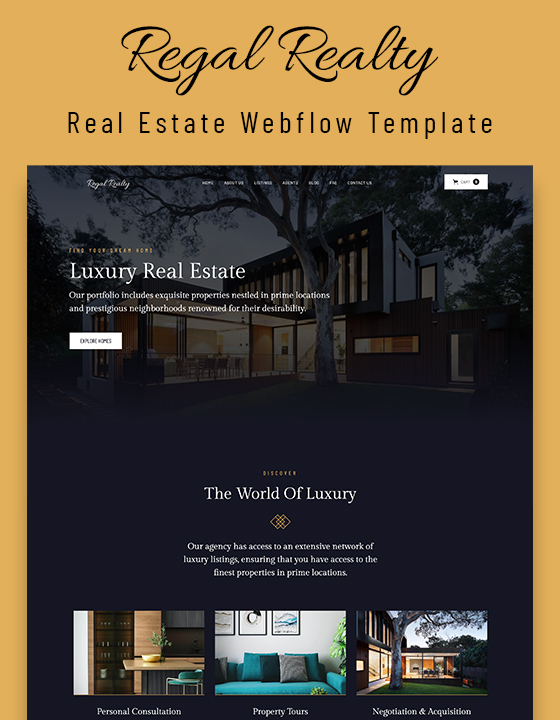
The Importance of Real Estate Web Design
In today’s digital age, having a strong online presence is crucial for businesses in all industries, including real estate. A well-designed website can be a powerful tool for real estate agents and agencies to showcase their properties, attract potential buyers or renters, and ultimately drive sales.
Real estate web design goes beyond just aesthetics; it involves creating a user-friendly interface that provides a seamless browsing experience for visitors. A visually appealing website with high-quality images and easy navigation can help create a positive first impression and build trust with potential clients.
Moreover, an effective real estate website should have features such as property search filters, virtual tours, interactive maps, and contact forms to make it easier for users to find relevant information and get in touch with agents. Mobile responsiveness is also key, as more and more people are using smartphones and tablets to browse the internet.
SEO (Search Engine Optimization) is another important aspect of real estate web design. By optimising the website with relevant keywords, meta tags, and high-quality content, real estate agents can improve their visibility in search engine results pages and attract organic traffic to their site.
Furthermore, integrating social media buttons and sharing options can help amplify the reach of property listings and attract a wider audience. Engaging content such as blog posts, market reports, or neighbourhood guides can also establish the website as a valuable resource for both buyers and sellers.
In conclusion, investing in professional real estate web design is essential for staying competitive in today’s market. A well-crafted website not only enhances brand credibility but also generates leads, fosters client relationships, and ultimately drives business growth.
Essential FAQs on Real Estate Web Design: Enhancing Visibility, Functionality, and Client Engagement
- 1. What is the importance of real estate web design?
- 2. How can a well-designed website benefit real estate agents and agencies?
- 3. What features should a real estate website have to attract potential clients?
- 4. Why is mobile responsiveness crucial in real estate web design?
- 5. How does SEO play a role in improving the visibility of real estate websites?
- 6. What are some key elements to consider when designing a property search function on a website?
- 7. How can social media integration enhance the reach of property listings on real estate websites?
- 8. What type of content can help establish a real estate website as a valuable resource for visitors?
- 9. What are the benefits of investing in professional web design services for real estate businesses?
1. What is the importance of real estate web design?
The importance of real estate web design lies in its ability to serve as a powerful tool for agents and agencies to showcase properties, engage with potential clients, and drive business growth. A well-designed website not only enhances the visual appeal of property listings but also provides a seamless user experience through features like property search filters, virtual tours, and interactive maps. By investing in professional web design, real estate professionals can establish credibility, improve online visibility through SEO strategies, and attract a wider audience through social media integration. Ultimately, an effective real estate website acts as a digital storefront that not only captures attention but also facilitates meaningful connections with clients, leading to increased sales and success in the competitive real estate market.
2. How can a well-designed website benefit real estate agents and agencies?
A well-designed website can significantly benefit real estate agents and agencies by serving as a powerful marketing tool that enhances their online presence and attracts potential clients. A visually appealing and user-friendly website can help agents showcase their properties effectively, build credibility with visitors, and establish trust with potential buyers or renters. Features such as property search filters, high-quality images, virtual tours, and interactive maps make it easier for users to find relevant information and engage with listings. Additionally, a well-optimised website can improve search engine visibility, drive organic traffic, generate leads, and ultimately contribute to the growth and success of real estate businesses in a competitive market.
3. What features should a real estate website have to attract potential clients?
When it comes to attracting potential clients, a real estate website should incorporate key features that enhance user experience and facilitate property search. These features include intuitive property search filters that allow users to narrow down their options based on criteria such as location, price range, and property type. Virtual tours and high-quality images can provide a comprehensive view of the properties, enticing visitors to explore further. Interactive maps showcasing property locations and neighbourhood amenities can also be valuable in helping clients make informed decisions. Additionally, contact forms or chat support for quick inquiries and responsive design for seamless browsing across devices are essential elements to engage and captivate potential clients on a real estate website.
4. Why is mobile responsiveness crucial in real estate web design?
Mobile responsiveness is crucial in real estate web design due to the increasing reliance on smartphones and tablets for browsing property listings. With a significant portion of users accessing websites on mobile devices, having a responsive design ensures that the website adapts seamlessly to different screen sizes and resolutions. This not only provides a better user experience but also improves engagement and retention rates. In the competitive real estate market, where speed and convenience are paramount, mobile responsiveness is essential for capturing the attention of potential buyers or renters on the go and maximising opportunities for lead generation.
5. How does SEO play a role in improving the visibility of real estate websites?
SEO (Search Engine Optimization) plays a crucial role in enhancing the visibility of real estate websites by improving their ranking in search engine results pages. By strategically incorporating relevant keywords, meta tags, and high-quality content, real estate websites can attract organic traffic from users actively searching for properties online. Optimizing the website’s structure and performance also contributes to a better user experience, which search engines value when determining rankings. Ultimately, a well-executed SEO strategy can help real estate websites reach a wider audience, increase their online presence, and drive more qualified leads to their listings.
6. What are some key elements to consider when designing a property search function on a website?
When designing a property search function on a real estate website, several key elements need to be carefully considered to enhance user experience and ensure efficient navigation. Firstly, the search function should be prominently placed on the homepage for easy access, with clear filters that allow users to refine their search based on criteria such as location, price range, property type, and amenities. It is essential to provide advanced search options for more specific requirements. Additionally, incorporating features like interactive maps, high-quality images, virtual tours, and detailed property descriptions can help users make informed decisions. Ensuring the search function is mobile-responsive and fast-loading is also crucial in catering to users accessing the website from various devices. By prioritising these elements in the design of the property search function, real estate websites can offer a seamless and intuitive browsing experience for potential buyers or renters.
7. How can social media integration enhance the reach of property listings on real estate websites?
Integrating social media into real estate websites can significantly enhance the reach of property listings by leveraging the expansive networks and sharing capabilities of platforms like Facebook, Twitter, and Instagram. By incorporating social media buttons and sharing options on property listings, real estate agents can encourage visitors to easily share listings with their own followers, expanding the potential audience reach exponentially. This not only increases visibility but also promotes engagement and interactions with a wider demographic, ultimately leading to more exposure for properties and a higher likelihood of attracting interested buyers or renters.
8. What type of content can help establish a real estate website as a valuable resource for visitors?
To establish a real estate website as a valuable resource for visitors, incorporating informative and engaging content is key. Features such as blog posts offering market insights, neighbourhood guides highlighting local amenities and attractions, interactive property search tools, virtual tours showcasing properties in detail, and client testimonials can all contribute to enhancing the user experience and providing valuable information to potential buyers or renters. By offering a diverse range of content that educates, informs, and engages visitors, a real estate website can position itself as a trusted source of information in the competitive property market.
9. What are the benefits of investing in professional web design services for real estate businesses?
Investing in professional web design services for real estate businesses offers a multitude of benefits. A well-designed website can significantly enhance brand credibility, making a lasting impression on potential clients and setting the business apart from competitors. Professional web design ensures a user-friendly interface with intuitive navigation, making it easy for visitors to explore property listings and contact agents. Moreover, a visually appealing website with high-quality images and engaging content can attract and retain the attention of prospective buyers or renters, ultimately increasing lead generation and driving sales. By incorporating SEO strategies and mobile responsiveness, professional web design services can also improve the website’s visibility in search engine results and cater to the growing number of users accessing websites on mobile devices. Overall, investing in professional web design services is crucial for real estate businesses looking to establish a strong online presence, build trust with clients, and achieve long-term success in the competitive market.
Leave a Reply