
The Ins and Outs of Web Design Pricing
When it comes to creating a website for your business or personal brand, one of the most critical factors to consider is web design pricing. Understanding the various elements that contribute to the cost of web design can help you make informed decisions and ensure that you get the best value for your investment.
Factors Affecting Web Design Pricing
Web design pricing can vary significantly based on several factors, including:
- Complexity: The complexity of your website, including the number of pages, features, and functionalities, will impact the overall cost. More complex websites require more time and expertise to design and develop.
- Customization: Custom-designed websites tailored to your specific needs will generally cost more than using pre-made templates.
- Responsive Design: Ensuring that your website is responsive and mobile-friendly adds to the development time and cost.
- Content Management System (CMS): Websites built on CMS platforms like WordPress may have additional costs associated with setup, customization, and maintenance.
- E-commerce Functionality: If you plan to sell products or services online, integrating e-commerce functionality will impact the overall price.
Tips for Budgeting Your Web Design Project
To ensure that you stay within budget when planning your web design project, consider the following tips:
- Define Your Goals: Clearly outline your website’s objectives and requirements to avoid unnecessary costs.
- Get Multiple Quotes: Compare quotes from different web design agencies to find a balance between quality and affordability.
- Avoid Scope Creep: Stick to the agreed-upon project scope to prevent additional costs from creeping in during development.
- Maintain Open Communication: Communicate openly with your web designer about your budget constraints to find solutions that work for both parties.
The Value of Quality Web Design
While it’s essential to consider pricing when embarking on a web design project, it’s equally important not to compromise on quality. A well-designed website can enhance your brand’s credibility, attract more visitors, and improve user experience – ultimately leading to increased conversions and revenue.
7 Essential Tips for Setting Competitive Web Design Prices
- Clearly outline your pricing structure on your website
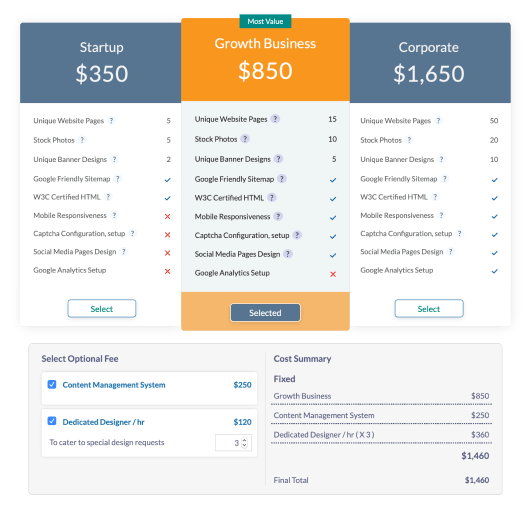
- Consider offering different packages to cater to different client needs
- Factor in your level of expertise and experience when determining prices
- Be transparent about any additional costs that may arise during the project
- Provide detailed quotes outlining the scope of work included in the price
- Consider charging per project rather than hourly to provide more clarity to clients
- Regularly review and adjust your pricing to stay competitive in the market
Clearly outline your pricing structure on your website
Clearly outlining your pricing structure on your website is crucial for establishing transparency and building trust with potential clients. By providing clear and detailed information about your web design pricing, including package options, add-on services, and any additional costs, you can help prospective customers understand the value they will receive for their investment. This transparency not only sets clear expectations but also demonstrates professionalism and integrity, ultimately making it easier for clients to make informed decisions and choose the services that best suit their needs.
Consider offering different packages to cater to different client needs
When setting web design pricing, a valuable tip to consider is offering different packages to cater to various client needs. By providing a range of options, you can accommodate clients with different budgets and requirements, making your services more accessible and appealing. Tailoring packages to suit specific needs can help attract a diverse clientele and showcase the flexibility and versatility of your web design offerings. This approach not only enhances customer satisfaction but also allows you to maximise your earning potential by catering to a wider market segment.
Factor in your level of expertise and experience when determining prices
When setting prices for web design services, it is crucial to consider your level of expertise and experience in the industry. Clients are often willing to pay more for the skills and knowledge that come with seasoned professionals. Demonstrating a track record of successful projects and showcasing your expertise can justify higher pricing, reflecting the value you bring to the table. On the other hand, if you are just starting out or have limited experience, it may be more appropriate to offer competitive rates to attract clients and build a portfolio. Finding the right balance between pricing and expertise can help you establish yourself in the market while ensuring fair compensation for your services.
Be transparent about any additional costs that may arise during the project
It is crucial to maintain transparency regarding any potential additional costs that may arise throughout the web design project. By clearly communicating and addressing these potential expenses upfront, both parties can avoid misunderstandings and ensure that the project stays within budget constraints. Transparency fosters trust between the client and the web designer, leading to a smoother collaboration and a successful outcome for all involved.
Provide detailed quotes outlining the scope of work included in the price
When it comes to web design pricing, providing detailed quotes that outline the scope of work included in the price is crucial. A transparent and comprehensive quote helps clients understand exactly what they are paying for and ensures there are no surprises down the line. By clearly defining the services, features, and deliverables covered in the price, both the client and the web designer can align their expectations and avoid misunderstandings. Detailed quotes also demonstrate professionalism and expertise, instilling trust in clients and setting a solid foundation for a successful web design project.
Consider charging per project rather than hourly to provide more clarity to clients
When it comes to web design pricing, opting to charge per project rather than hourly can offer greater transparency and clarity to clients. By providing a fixed price for the entire project, clients can better understand the total cost upfront without worrying about unexpected hourly charges. This approach also encourages efficiency and focus on delivering high-quality results within the agreed budget, fostering trust and satisfaction between designers and clients.
Regularly review and adjust your pricing to stay competitive in the market
To ensure your web design business remains competitive in the market, it is crucial to regularly review and adjust your pricing strategy. By staying informed about industry trends, competitor pricing, and customer preferences, you can make informed decisions about how to position your services effectively. Adjusting your pricing accordingly not only helps you stay competitive but also ensures that you are providing value for money to your clients. This proactive approach can help you attract new customers, retain existing ones, and ultimately grow your business in a dynamic and evolving market landscape.
Leave a Reply