
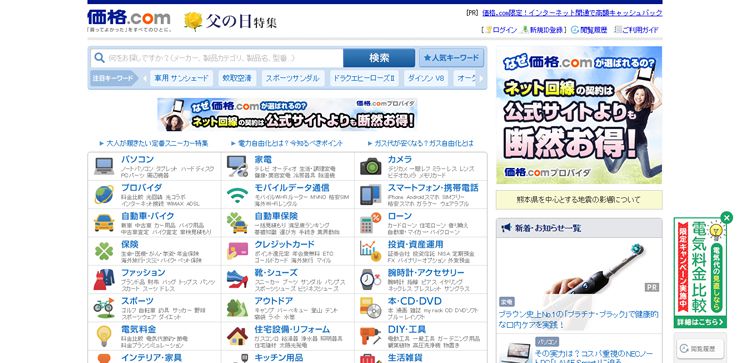
Exploring Japanese Web Design
Japanese web design is a fascinating blend of tradition and innovation that has captivated designers and users alike. Rooted in the country’s rich cultural heritage and aesthetic principles, Japanese websites often feature clean layouts, minimalist designs, and a strong focus on user experience.
One hallmark of Japanese web design is its attention to detail. Every element on a page is meticulously crafted to create a harmonious visual experience that resonates with users. This meticulous approach extends to typography, with many Japanese websites using elegant fonts and characters to convey information effectively.
Colour plays a significant role in Japanese web design, with many sites opting for subtle palettes inspired by nature or traditional art forms. These colours are carefully chosen to evoke specific emotions or create a certain atmosphere, enhancing the overall user experience.
Japanese websites also excel in creating intuitive navigation systems that guide users seamlessly through the content. Whether through innovative menu designs or interactive elements, these sites prioritise ease of use and accessibility, ensuring that visitors can find what they’re looking for quickly and efficiently.
Furthermore, Japanese web design often incorporates elements of animation and interactivity to engage users and bring the content to life. From subtle hover effects to immersive scrolling experiences, these dynamic features add depth and personality to the browsing experience.
In recent years, Japanese web design has gained international recognition for its unique approach and aesthetic appeal. Designers around the world are drawing inspiration from Japan’s design principles, incorporating elements of simplicity, elegance, and functionality into their own work.
As we continue to explore the ever-evolving landscape of web design, it’s clear that Japanese influence will remain a powerful force shaping the future of digital experiences. With its timeless elegance and unwavering commitment to quality, Japanese web design continues to inspire and delight audiences worldwide.
Embracing Japanese Aesthetics: 6 Essential Tips for Web Design
- Prioritize simplicity and minimalism in design.
- Use clean and uncluttered layouts to create a sense of harmony.
- Incorporate traditional Japanese design elements such as nature-inspired motifs or patterns like sakura blossoms or waves.
- Focus on high-quality images and typography for an elegant look.
- Ensure easy navigation and user-friendly interface for a seamless user experience.
- Consider cultural sensitivities and preferences when choosing colours, symbols, and imagery.
Prioritize simplicity and minimalism in design.
In the realm of Japanese web design, prioritising simplicity and minimalism is a foundational principle that underpins the creation of visually striking and user-friendly websites. By embracing clean layouts, uncluttered interfaces, and restrained use of elements, designers can achieve a sense of elegance and sophistication that resonates with users. This focus on simplicity not only enhances the overall aesthetic appeal but also improves usability by streamlining navigation and reducing cognitive load, resulting in a seamless and intuitive browsing experience that leaves a lasting impression on visitors.
Use clean and uncluttered layouts to create a sense of harmony.
In Japanese web design, utilising clean and uncluttered layouts is a fundamental tip to evoke a sense of harmony and balance. By simplifying the visual elements on a webpage, designers can create a serene and organised environment that enhances user experience. This minimalist approach not only promotes clarity and focus but also reflects the principles of simplicity and elegance deeply rooted in Japanese aesthetics. Embracing clean layouts allows for content to shine through effortlessly, ensuring that users can navigate seamlessly while appreciating the beauty of a harmonious design composition.
Incorporate traditional Japanese design elements such as nature-inspired motifs or patterns like sakura blossoms or waves.
Incorporating traditional Japanese design elements, such as nature-inspired motifs like sakura blossoms or waves, can add a touch of cultural richness and elegance to your web design. These elements not only infuse a sense of tradition and history into the visual aesthetic but also evoke emotions and create a unique connection with users. By integrating these timeless motifs into your website, you can create a harmonious blend of modern functionality and traditional beauty that captures the essence of Japanese design philosophy.
Focus on high-quality images and typography for an elegant look.
In the realm of Japanese web design, a key tip to achieving an elegant aesthetic is to prioritise high-quality images and typography. By focusing on crisp, visually striking images and carefully selected typography, designers can create a sophisticated and refined look that resonates with users. The use of premium imagery and elegant fonts not only enhances the overall visual appeal of a website but also conveys a sense of professionalism and attention to detail, elevating the user experience to new heights.
Ensure easy navigation and user-friendly interface for a seamless user experience.
In the realm of Japanese web design, a crucial tip to uphold is to prioritise easy navigation and a user-friendly interface to ensure a seamless user experience. By meticulously crafting intuitive navigation systems and designing interfaces that are accessible and straightforward, designers can create a digital space that guides users effortlessly through content, enhancing their overall browsing experience. This focus on usability not only fosters engagement but also reflects the core principles of Japanese design, where simplicity and functionality converge to deliver an engaging and satisfying interaction for visitors.
Consider cultural sensitivities and preferences when choosing colours, symbols, and imagery.
When delving into Japanese web design, it is crucial to consider cultural sensitivities and preferences when selecting colours, symbols, and imagery. The Japanese culture places great significance on symbolism and meaning attached to colours and symbols. For instance, certain colours may evoke specific emotions or have cultural connotations that could impact how a website is perceived by users. By being mindful of these cultural nuances and incorporating them thoughtfully into the design, one can create a web experience that resonates with the target audience and fosters a deeper connection.
Leave a Reply