
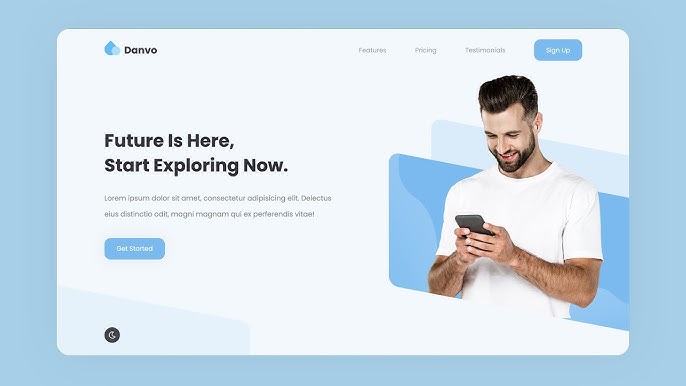
A landing page is the digital storefront of your online presence, the gateway that welcomes visitors and entices them to explore further. It is a crucial element in web design, as it serves as the first point of contact between your audience and your brand.
When designing a landing page, several key principles come into play. Firstly, clarity is paramount. The layout should be clean and uncluttered, guiding the visitor’s eye towards the most important elements such as the headline, call-to-action buttons, and key information.
Typography plays a significant role in establishing hierarchy and readability. Using a combination of font sizes, weights, and styles can help draw attention to essential content and create visual interest.
Colour choice is another crucial aspect of landing page design. The colour palette should align with your brand identity while also creating a visually appealing and harmonious experience for visitors. Contrasting colours can be used strategically to highlight important elements like buttons or headlines.
Images and multimedia elements can enhance the visual appeal of a landing page and help convey your message more effectively. High-quality photos, videos, or graphics that are relevant to your brand can capture attention and engage visitors.
Above all, the user experience should be at the forefront of your design decisions. The layout should be intuitive, with clear navigation that guides visitors towards their intended destination. Mobile responsiveness is also essential in today’s digital landscape, ensuring that your landing page looks great and functions seamlessly across all devices.
In conclusion, a well-designed landing page is a powerful tool for capturing leads, driving conversions, and establishing a strong online presence. By following best practices in web design and focusing on user experience, you can create a landing page that not only looks great but also delivers results for your business.
Essential FAQs: Mastering Effective Web Design Landing Pages
- What is a landing page in web design?
- Why is a landing page important for websites?
- How can I create an effective landing page for my website?
- What elements should a landing page include?
- How do I make my landing page visually appealing?
- What is the difference between a homepage and a landing page?
- How can I track the performance of my landing page?
What is a landing page in web design?
A landing page in web design is a standalone web page created with a specific purpose in mind, such as capturing leads, promoting a product or service, or encouraging a particular action from visitors. Unlike other pages on a website, a landing page is designed to be highly focused and streamlined, with minimal distractions and a clear call-to-action. It serves as the entry point for users who have clicked on an online advertisement or link, guiding them towards a desired outcome and maximising conversions. By optimising the design and content of a landing page to align with its intended goal, businesses can effectively engage their target audience and drive meaningful results.
Why is a landing page important for websites?
A landing page is crucial for websites because it serves as the virtual front door to your online presence, acting as the initial point of contact with visitors. It plays a vital role in capturing attention, conveying key messages, and guiding users towards specific actions or goals. By focusing on a single objective, such as promoting a product or collecting customer information, a well-designed landing page can significantly increase conversion rates and drive business growth. Additionally, landing pages provide valuable insights into visitor behaviour and preferences, allowing businesses to refine their marketing strategies and improve overall website performance. In essence, a strategically crafted landing page is a powerful tool for engaging audiences, generating leads, and maximising the impact of your online presence.
How can I create an effective landing page for my website?
Creating an effective landing page for your website involves a careful balance of design, content, and functionality. Start by defining a clear goal for your landing page, whether it’s to generate leads, promote a product, or drive conversions. Keep the layout clean and uncluttered, with a compelling headline that grabs attention and succinctly conveys your message. Use eye-catching visuals and concise copy to engage visitors and guide them towards your call-to-action. Make sure the page loads quickly and is optimised for mobile devices to provide a seamless user experience. Test different elements such as headlines, images, and button colours to see what resonates best with your audience. By focusing on user needs and designing with purpose, you can create a landing page that not only looks great but also delivers results for your website.
What elements should a landing page include?
A well-crafted landing page should include several key elements to effectively engage visitors and drive conversions. These elements typically consist of a compelling headline that captures attention, a clear and concise value proposition that communicates the benefits of your offering, eye-catching visuals or multimedia content to enhance engagement, a prominent call-to-action button that encourages users to take the desired action, social proof such as testimonials or reviews to build credibility, and contact information or a form for visitors to get in touch. By incorporating these essential elements into your landing page design, you can create a cohesive and persuasive user experience that guides visitors towards conversion.
How do I make my landing page visually appealing?
Making your landing page visually appealing involves a combination of design elements that work together harmoniously to capture the attention of your visitors. Start by choosing a cohesive colour scheme that aligns with your brand identity and creates a pleasing visual experience. Utilise high-quality images and graphics that are relevant to your content and help to convey your message effectively. Pay attention to typography, using a combination of font sizes, styles, and weights to establish hierarchy and improve readability. Keep the layout clean and uncluttered, focusing on key elements such as the headline and call-to-action buttons. By incorporating these design principles thoughtfully, you can create a visually appealing landing page that engages visitors and encourages them to explore further.
What is the difference between a homepage and a landing page?
One frequently asked question in web design is: What is the difference between a homepage and a landing page? While both serve as entry points to a website, they have distinct purposes and designs. A homepage is the main hub of a website, offering an overview of the site’s content and navigation options. It typically includes links to various sections of the website and provides visitors with a broad view of what the site has to offer. On the other hand, a landing page is specifically designed for marketing or advertising campaigns, with a singular focus on driving visitors towards a specific goal or call-to-action. Landing pages are often used to capture leads, promote products or services, or encourage users to take a specific action, making them more targeted and conversion-oriented than homepages.
How can I track the performance of my landing page?
Tracking the performance of your landing page is essential to gauge its effectiveness and make informed decisions for optimization. One common method is using web analytics tools such as Google Analytics to monitor key metrics like traffic, bounce rate, conversion rate, and user behaviour. By setting up goals and tracking events, you can gain valuable insights into how visitors interact with your landing page and identify areas for improvement. A/B testing is another valuable technique that involves creating variations of your landing page to compare performance and determine which elements resonate best with your audience. Regularly reviewing these metrics and making data-driven adjustments will help you enhance the performance of your landing page and achieve your conversion goals.
Leave a Reply