
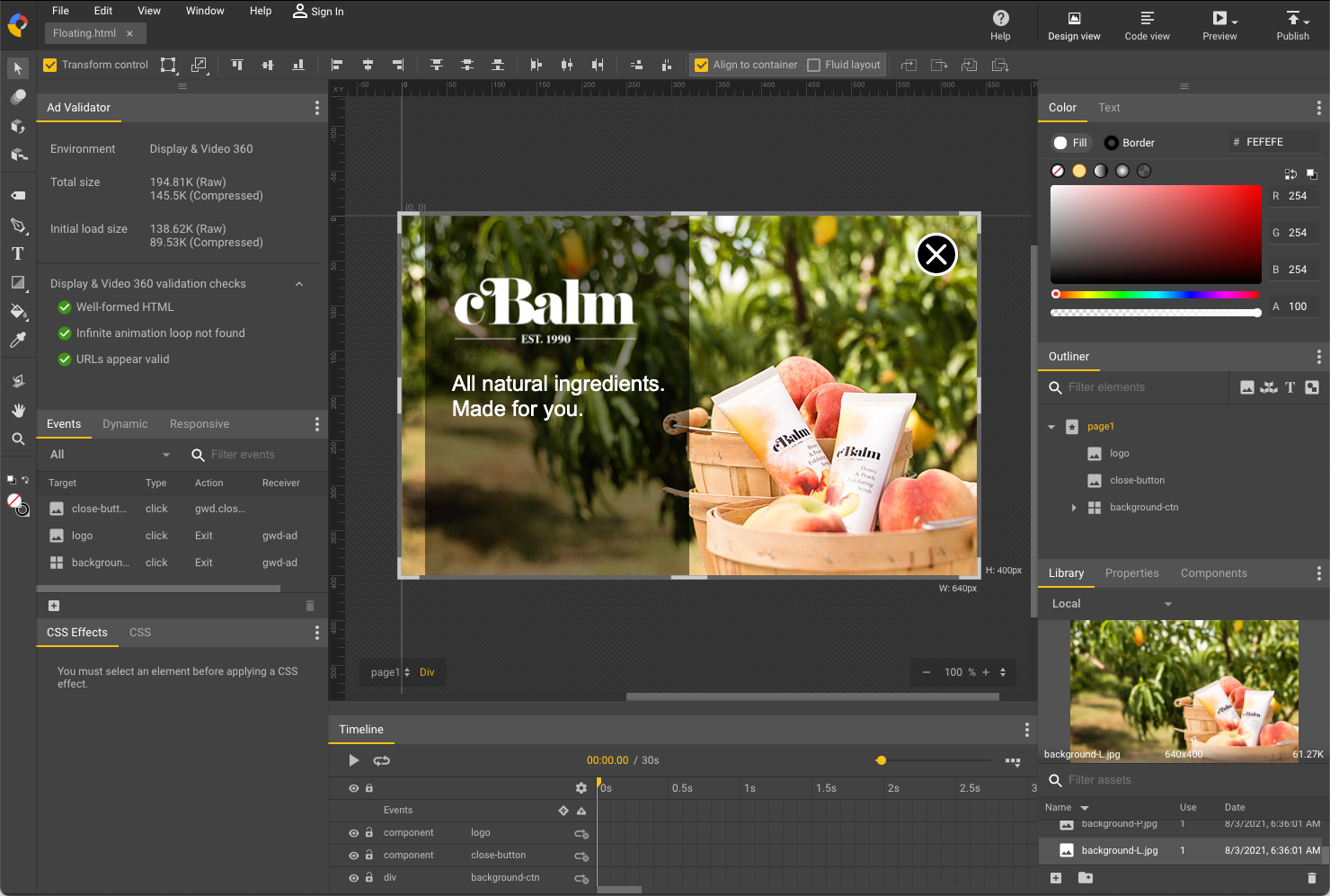
In the realm of web design, content reigns supreme. From engaging copy to stunning visuals, the content on a website plays a pivotal role in capturing the attention of visitors and conveying the brand’s message effectively.
When it comes to web design, content is not just about filling up space with words and images. It’s about creating a seamless and immersive experience for users, guiding them through the site with clarity and purpose.
One of the key considerations in web design content is readability. Clear typography, appropriate font sizes, and well-structured layouts all contribute to making the content easy to consume. Using headings, subheadings, and bullet points can help break up text and make information more digestible for users.
Visual elements are equally important in web design content. High-quality images, videos, infographics, and other multimedia assets can enhance the user experience and convey information in a more engaging way. It’s essential to strike a balance between text and visuals to create a visually appealing and informative website.
Another crucial aspect of web design content is relevance. Content should be tailored to the target audience, addressing their needs, interests, and pain points. By understanding the demographics and preferences of users, designers can create content that resonates with them on a personal level.
Incorporating SEO (Search Engine Optimization) best practices into web design content is also essential for improving visibility and driving organic traffic to the site. Using relevant keywords strategically throughout the content can help improve search engine rankings and attract more visitors.
Ultimately, effective web design content is about creating a cohesive narrative that tells the brand’s story authentically while providing value to users. By focusing on readability, visual appeal, relevance, and SEO optimization, designers can create websites that not only look great but also deliver meaningful experiences for visitors.
Top 5 Essential Tips for Effective Web Design Content
- Use clear and concise language to communicate your message effectively.
- Incorporate high-quality images and multimedia to enhance visual appeal.
- Ensure that your content is well-organised with headings, subheadings, and bullet points for easy readability.
- Optimise your content for SEO by using relevant keywords and meta tags.
- Regularly update your content to keep it fresh and engaging for visitors.
Use clear and concise language to communicate your message effectively.
In the realm of web design content, using clear and concise language is paramount in effectively communicating your message to users. By distilling information into simple and straightforward terms, you can ensure that visitors quickly grasp the essence of your content without confusion or ambiguity. Clear language not only enhances readability but also fosters a stronger connection with your audience, allowing them to engage more meaningfully with your brand’s message. Embracing clarity in communication is a powerful tool in creating a user-friendly experience that leaves a lasting impact on visitors.
Incorporate high-quality images and multimedia to enhance visual appeal.
Incorporating high-quality images and multimedia elements is a crucial tip in web design content as it significantly enhances the visual appeal of a website. Compelling visuals not only capture the attention of visitors but also help convey information in a more engaging and memorable way. By using striking images, videos, infographics, and other multimedia assets, designers can create a visually immersive experience that resonates with users and reinforces the brand’s identity. High-quality visuals not only elevate the aesthetics of a website but also contribute to building credibility and trust with visitors, ultimately enhancing the overall user experience.
Ensure that your content is well-organised with headings, subheadings, and bullet points for easy readability.
In web design, it is crucial to ensure that your content is well-organised to enhance readability and user experience. By incorporating clear headings, informative subheadings, and structured bullet points, you can effectively break down information into digestible chunks, making it easier for visitors to navigate and absorb the content. This organisational approach not only improves the overall flow of the website but also helps users quickly find the information they are looking for, ultimately enhancing engagement and retention on the site.
Optimise your content for SEO by using relevant keywords and meta tags.
Optimising your web design content for SEO is crucial in improving your site’s visibility and attracting organic traffic. By strategically incorporating relevant keywords and meta tags throughout your content, you can enhance your website’s search engine rankings and make it easier for users to find you online. Carefully selecting and integrating these elements not only helps search engines understand the context of your content but also ensures that it aligns with what users are searching for. This practice not only boosts your site’s discoverability but also enhances the overall user experience, making it more likely for visitors to engage with and explore your website further.
Regularly update your content to keep it fresh and engaging for visitors.
Regularly updating your website content is crucial in maintaining a dynamic and engaging online presence. By refreshing your content with new information, visuals, and features, you not only keep visitors interested and coming back for more but also demonstrate that your brand is active and relevant. Fresh content not only helps in retaining existing visitors but also attracts new ones, as search engines tend to favor websites that are regularly updated. By staying on top of your content updates, you can ensure that your website remains a vibrant and compelling destination for users seeking valuable information and experiences.
Leave a Reply