
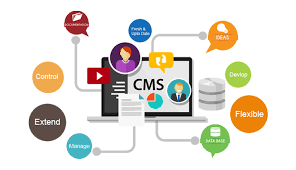
CMS Website Development Services: A Flexible Foundation for Your Website
A website should be straightforward to manage as well as effective for its visitors. Content management system (CMS) website development services help businesses create websites that are easy to update, adaptable as needs change and designed to support long-term growth.
Whether launching a new site or improving an existing one, the right CMS can make it simpler to publish content, manage products and keep information up to date without relying on a developer for every change.
What is a CMS website?
A content management system is software that lets authorised users create, edit and organise website content through an administrative interface. Instead of editing code for routine updates, users can work with pages, images, articles and other content in a structured environment.
Popular platforms include WordPress, Drupal and Shopify, alongside headless CMS options that deliver content to websites and other digital channels. The right choice depends on factors such as the site’s purpose, the amount of content, required features, internal skills and plans for future development.
What do CMS website development services include?
CMS development covers more than installing a platform. A complete service may include:
- Planning and platform selection: Defining the site’s goals, users and content needs, then choosing a suitable CMS.
- Website design and development: Creating a clear, responsive experience that reflects the organisation’s identity and works across devices.
- Custom themes and templates: Building reusable layouts so pages can be created consistently and efficiently.
- Content modelling: Organising content types and fields to make information easier to manage and display.
- Feature development: Adding functionality such as forms, search, booking tools, customer accounts or e-commerce.
- Integrations: Connecting the website with services such as customer relationship management (CRM) systems, payment providers, email platforms or analytics tools.
- Migration: Moving existing pages, media and other content to a new platform while planning for redirects and search visibility.
- Training and documentation: Helping content teams use the CMS confidently and follow consistent publishing practices.
- Support and maintenance: Keeping software, extensions and security measures up to date, and resolving issues as they arise.
Benefits of a professionally developed CMS website
Greater control over content
A well-planned CMS gives teams the tools to make routine updates without waiting for development work. This can speed up publishing and help keep important information accurate.
Consistent design
Reusable templates and components help maintain a consistent look and feel across the website. They also make it easier to create new pages without designing each one from scratch.
Room to grow
A suitable CMS can support new sections, features and content as an organisation develops. Thoughtful architecture helps avoid unnecessary complexity and makes future improvements easier to plan.
Improved accessibility and usability
Good development practices can support accessible navigation, readable content and a smoother experience for visitors using different devices or assistive technologies. Accessibility should be considered throughout design, development and content creation.
Search-friendly foundations
A CMS can make it easier to manage page titles, descriptions, headings, image text and other on-page details. Technical performance, useful content and a clear site structure also contribute to a stronger search experience.
Choosing the right CMS
There is no single platform that suits every website. A brochure site, a large publishing platform and an online shop may have very different requirements. Before choosing a CMS, consider:
- Who will update the website and what level of training they need
- The types and volume of content the site will manage
- Any required integrations or specialist features
- Hosting, security and ongoing maintenance requirements
- How the platform can support future changes
- The total cost of development, licences, hosting and support
Platform choice should follow the needs of the project, rather than the other way round. A clear assessment at the outset helps avoid paying for features that are not needed or discovering limitations later.
A considered development process
Successful CMS website development usually begins with discovery and planning. Goals, audiences and content requirements are defined before the site structure and platform are agreed. Design and development then take place alongside content preparation, testing and refinement.
Before launch, the website should be checked across common browsers and devices. Forms, links, redirects, analytics and key user journeys should also be tested. After launch, regular updates, backups and performance checks help keep the site reliable and secure.
Build a website that is easier to manage
CMS website development services can provide a practical foundation for publishing, sharing and maintaining digital content. With the right platform, clear structure and thoughtful design, a website can be easier for teams to manage and more useful for the people who visit it.
Top 7 FAQs About CMS Website Development Services in the UK
- What are CMS website development services?
- Which CMS platform is best for my business website?
- How much does CMS website development cost in the UK?
- How long does it take to build a CMS website?
- Can I update and manage my website without technical skills?
- Can you migrate my existing website and content to a new CMS?
- Do CMS website development services include ongoing support and maintenance?
What are CMS website development services?
CMS website development services cover the planning, design and build of websites using a content management system (CMS), such as WordPress, Drupal or Shopify. They can include choosing the right platform, creating custom designs and page templates, adding features and integrations, migrating existing content, and providing training and ongoing support. The aim is to make the website easy to manage and update, while ensuring it meets the organisation’s needs and works well for its visitors.
Which CMS platform is best for my business website?
The best CMS platform for your business depends on your goals, budget, content and in-house expertise. WordPress is a flexible choice for many websites, while Shopify is designed for online shops; Drupal can suit complex projects with advanced requirements, and a headless CMS may work well when content needs to reach multiple channels. Consider how easily your team can manage the site, what integrations you need, and the costs of hosting, licences and ongoing support. A CMS development specialist can help assess these factors and recommend a platform that fits your needs now and can grow with your business.
How much does CMS website development cost in the UK?
CMS website development costs in the UK vary depending on the platform, design requirements and complexity. As a rough guide, a straightforward small-business website may cost around £3,000–£10,000, while a bespoke site with custom functionality, integrations or content migration can cost £10,000–£30,000 or more. E-commerce and larger projects may require a bigger budget. Ask for a tailored quote that sets out what is included, such as hosting, training, support and VAT.
How long does it take to build a CMS website?
The time needed to build a CMS website depends on its size, design, features and the amount of content involved. A straightforward website may take a few weeks, while a larger or more bespoke project—with custom functionality, integrations or content migration—can take several months. Clear requirements, timely feedback and prepared content can help keep development on schedule.
Can I update and manage my website without technical skills?
Yes. A well-built CMS website lets you edit text, add images and publish new pages through a straightforward dashboard, without needing to write code. Your development team can provide training and guidance, and set up templates and permissions to make everyday updates easier. More complex changes, such as adding new features or altering the site’s structure, may still require technical support.
Can you migrate my existing website and content to a new CMS?
Yes. Existing websites and content can usually be migrated to a new CMS, including pages, images, blog posts and other key assets. The process starts with reviewing your current site and content, then planning the transfer, rebuilding or adapting pages, and checking links, formatting and functionality. Where needed, redirects can be set up to help visitors and search engines find the right pages. The exact approach depends on your current platform and the new CMS, but the aim is to make the transition as smooth as possible while preserving valuable content and search visibility.
Do CMS website development services include ongoing support and maintenance?
Yes, CMS website development services can include ongoing support and maintenance, although the level of cover varies by provider and agreement. This may involve updating the CMS, themes and plugins, monitoring security, creating backups, fixing technical issues and helping with content or feature changes. Before starting a project, check what is included, how support requests are handled and whether maintenance is available as a separate ongoing service.
Leave a Reply