
Odoo Website Development: A Practical Guide for Growing Businesses
A business website should do more than look professional. It should help people find the information they need, make it easy to take action and support the systems behind the scenes. Odoo website development offers a way to bring these goals together by connecting a website with other business tools on one platform.
Whether you are creating a new website, launching an online shop or improving an existing digital experience, Odoo can provide a flexible foundation. The right result depends on choosing the right features, planning the customer journey and tailoring the platform to your business.
What is Odoo website development?
Odoo is a suite of business applications that includes tools for website creation and e-commerce. Odoo website development is the process of designing, building and configuring a website using these tools. It can involve anything from setting up pages with the website builder to developing custom features and connecting the site to other Odoo applications.
Depending on the business’s needs and Odoo edition, a website can work alongside applications such as CRM, sales, inventory, invoicing, marketing and customer support. This can reduce the need to move information manually between separate systems.
Why businesses choose Odoo for their website
Connected business operations
A key advantage of Odoo is the possibility of linking the website to day-to-day business processes. For example, an online order can connect with sales and inventory workflows, while a website enquiry can be recorded in the CRM. The exact setup depends on the applications selected and how the business operates.
A platform that can grow with you
Businesses can begin with a straightforward website and add capabilities as their requirements change. These might include e-commerce, a blog, online booking or customer portals. This modular approach can help avoid building more than is needed at the outset.
Content management without unnecessary complexity
Odoo’s website tools allow authorised users to update pages and content without having to make every change through a developer. A well-planned setup can give teams control over routine updates while keeping design and functionality consistent.
Support for online selling
For businesses selling products, Odoo can connect an online shop with product information, orders and related workflows. Payment, delivery, tax and stock requirements should be considered early, as these can affect both the customer experience and the technical configuration.
What does an Odoo website project involve?
Discovery and planning
Development begins with understanding the business, its audience and the purpose of the site. Key questions include what visitors need to do, what information they need and which existing systems the website should connect to. Clear requirements help keep the project focused.
Structure and user experience
Before visual design begins, it is useful to plan the site’s structure. A clear menu, logical page hierarchy and straightforward calls to action help visitors navigate the website. The experience should also work well on mobile devices, where many people first encounter a business.
Design and brand consistency
The website should reflect the organisation’s identity while remaining easy to use. This includes decisions about colour, typography, imagery, page layouts and accessible contrast. Reusable page components can help maintain consistency as new content is added.
Odoo configuration and development
Some projects can be delivered using standard Odoo features and configuration. Others may require custom development, such as a specialised product page, a tailored booking flow or an integration with an external service. Custom features should be carefully scoped and documented so they can be maintained over time.
Content, testing and launch
Content is an essential part of the build, not a final decoration. Clear writing, accurate product information and well-chosen images help visitors make decisions. Before launch, the website should be tested across common browsers and screen sizes, with particular attention to forms, links, checkout steps, page speed and accessibility.
Odoo website SEO considerations
Search engine optimisation should be considered from the start. A strong technical foundation helps, but useful content and a good visitor experience matter just as much. For an Odoo website, important considerations include:
- Writing descriptive page titles and meta descriptions.
- Using clear headings and informative page URLs.
- Creating helpful, original content for the intended audience.
- Optimising images and avoiding unnecessarily heavy pages.
- Ensuring the website is usable on mobile devices.
- Adding relevant internal links between related pages.
- Checking redirects and broken links when replacing an existing website.
SEO features and configuration options can vary between Odoo versions and setups. It is worth checking the requirements of the specific project rather than assuming that every feature is available in the same way.
Common challenges to plan for
Odoo can bring several business functions together, but that does not make planning optional. A project may become more complicated if requirements are unclear, existing data is inconsistent or custom integrations are introduced late in the process.
It is also important to consider who will manage the site after launch. Staff may need training to update content, process orders or manage enquiries. A maintenance plan should cover updates, backups, security, performance checks and support for any custom components.
Choosing the right Odoo development approach
The best approach depends on the website’s purpose and complexity. A small information site may need only a carefully configured theme and well-written content. A larger e-commerce website or customer portal may require deeper integration, custom design and development, and more extensive testing.
Before starting, define what success looks like. This could include more qualified enquiries, a simpler buying process, fewer manual tasks or improved access to information. Clear goals make it easier to prioritise features and measure the website’s performance after launch.
Conclusion
Odoo website development can help businesses create a digital presence that connects with their wider operations. Its combination of website tools and business applications offers flexibility, from simple company websites to integrated online shops and customer experiences.
The strongest results come from a thoughtful plan: understand the audience, keep the user journey clear, choose features that solve real problems and make provision for ongoing care. With the right strategy and implementation, an Odoo website can become a practical part of how a business serves its customers and works day to day.
Odoo Website Development: 8 Frequently Asked Questions
- What is Odoo website development?
- How much does it cost to develop an Odoo website?
- How long does it take to build an Odoo website?
- Can I build an Odoo website without coding?
- Can an Odoo website integrate with CRM, sales and inventory?
- Is Odoo suitable for building an e-commerce website?
- Can an existing website be migrated to Odoo?
- How do I optimise an Odoo website for search engines?
What is Odoo website development?
Odoo website development is the process of creating and customising websites using Odoo’s website-building tools and applications. It can include designing pages, adding features such as online shopping or booking, and connecting the website with business tools like CRM, sales and inventory, helping manage customer interactions and business operations in one platform.
How much does it cost to develop an Odoo website?
The cost of developing an Odoo website depends on its size, design requirements and functionality. A simple site using standard Odoo features will generally cost less than a bespoke website with custom integrations, e-commerce, complex product options or customer portals. Other factors include content creation, data migration, hosting, testing and ongoing maintenance. The best way to get an accurate estimate is to define your goals and required features, then request a quote based on a clear project scope.
How long does it take to build an Odoo website?
The time needed to build an Odoo website depends on its size, design requirements and functionality. A simple site using standard Odoo features may take a few weeks, while a bespoke website with e-commerce, integrations, custom development or complex content can take several months. The timeline also depends on how quickly content, feedback and approvals are provided. A clear brief and agreed scope help set realistic milestones.
Can I build an Odoo website without coding?
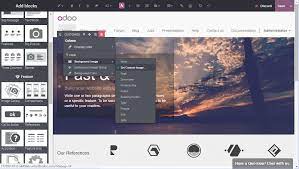
Yes, you can build a standard Odoo website without coding. Its website builder lets you create pages, arrange content blocks and update text, images and layouts through a visual interface. For more specialised designs, custom features or integrations with external systems, some technical development may be needed.
Can an Odoo website integrate with CRM, sales and inventory?
Yes. An Odoo website can connect with Odoo’s CRM, sales and inventory applications, helping information flow between your website and business operations. For example, website enquiries can be added to your CRM, online orders can create sales records, and product availability can be linked to stock levels. The exact workflow depends on the Odoo apps, version and configuration used, so integrations should be planned around your business processes and tested before launch.
Is Odoo suitable for building an e-commerce website?
Yes, Odoo is suitable for building an e-commerce website, with tools for managing product catalogues, online orders, payments and delivery. Its e-commerce features can also connect with other Odoo apps, such as inventory, sales and invoicing, helping streamline operations. The right setup depends on your requirements, so consider factors such as custom features, integrations, expected traffic and payment or shipping needs when planning your store.
Can an existing website be migrated to Odoo?
Yes, an existing website can be migrated to Odoo. The process typically involves transferring and reorganising content, products and other relevant data, then rebuilding the design and functionality using Odoo’s website tools. The exact approach depends on the current platform and any custom features or integrations in use. Careful planning, testing and appropriate redirects can help preserve search visibility and make the transition smoother for visitors.
How do I optimise an Odoo website for search engines?
To optimise an Odoo website for search engines, create useful, original content around the terms your audience is searching for, and give each page a clear title, meta description, heading structure and descriptive URL. Use relevant internal links, add accurate alt text to images, and make sure pages load quickly and work well on mobile. Check that important pages can be crawled and indexed, submit the sitemap through Google Search Console, and set up redirects when URLs change. Odoo’s SEO tools and options can vary by version, so review your configuration and monitor performance regularly.
Leave a Reply