
The Cost of Website Development
Website development cost can vary significantly depending on various factors. When considering the cost of developing a website, it’s essential to understand the different elements that contribute to the overall expense.
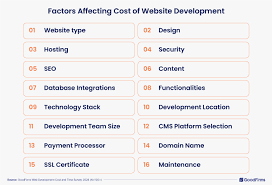
Factors Affecting Website Development Cost:
- Complexity: The complexity of the website, including its features, functionalities, and design intricacies, can have a significant impact on the cost.
- Design: Custom designs and intricate layouts can increase the cost compared to using pre-made templates.
- Functionality: Advanced functionalities such as e-commerce integration, user accounts, and databases can add to the development cost.
- Content Management System (CMS): The choice of CMS platform, such as WordPress, Joomla, or Drupal, can affect development costs.
- Responsive Design: Ensuring that the website is optimised for various devices and screen sizes may increase costs.
- SEO Integration: Incorporating search engine optimisation features into the website can impact development expenses.
Average Costs:
The cost of website development can range from a few hundred pounds for a simple basic website to several thousand pounds for a more complex and feature-rich site. It’s crucial to work with a reputable web development agency that provides transparent pricing and outlines all costs upfront.
Tips for Managing Costs:
- Define Your Requirements: Clearly outline your website’s objectives and functionalities to avoid unnecessary expenses.
- Get Multiple Quotes: Compare quotes from different web development agencies to ensure you’re getting value for money.
- Prioritise Features: Identify essential features that are crucial for your website’s success and focus on those during development.
- Maintain Communication: Regular communication with your web developer can help prevent misunderstandings and scope creep that could lead to increased costs.
In conclusion, understanding the factors influencing website development costs and implementing strategies to manage expenses effectively are key to achieving a successful outcome within your budget. By working closely with experienced professionals and being clear about your requirements, you can create a high-quality website that meets your needs without breaking the bank.
7 Essential Tips to Manage and Reduce Website Development Costs
- 1. Plan your website requirements carefully to avoid unnecessary costs.
- 2. Consider using open-source platforms or templates to save on development costs.
- 3. Compare quotes from multiple web development agencies to get the best value for money.
- 4. Opt for scalable solutions that can grow with your business to avoid frequent expensive upgrades.
- 5. Invest in good quality hosting services to ensure optimal performance and security.
- 6. Regularly maintain and update your website to prevent costly issues in the future.
- 7. Factor in ongoing expenses such as domain registration, hosting fees, and maintenance when budgeting for your website.
1. Plan your website requirements carefully to avoid unnecessary costs.
Planning your website requirements carefully is crucial in managing website development costs effectively. By clearly defining the objectives, features, and functionalities you need for your website upfront, you can avoid unnecessary expenses that may arise from scope creep or last-minute changes. A well-thought-out plan ensures that the development process stays on track and within budget, allowing you to focus on essential elements that contribute to the success of your website without incurring additional costs.
2. Consider using open-source platforms or templates to save on development costs.
When contemplating website development costs, a valuable tip is to consider utilising open-source platforms or templates to reduce expenses. Open-source platforms, such as WordPress or Joomla, offer pre-built frameworks and functionalities that can significantly lower development costs. Similarly, leveraging templates can provide a cost-effective solution for designing visually appealing websites without the need for extensive custom coding. By embracing these resources, businesses can create professional and functional websites while saving on development expenditures.
3. Compare quotes from multiple web development agencies to get the best value for money.
To ensure you’re getting the best value for your money when it comes to website development costs, it’s advisable to compare quotes from multiple web development agencies. By obtaining and reviewing estimates from different providers, you can gain insights into the range of services offered, pricing structures, and overall value proposition. This practice not only helps in identifying cost-effective solutions but also allows you to make an informed decision based on a comprehensive assessment of each agency’s offerings.
4. Opt for scalable solutions that can grow with your business to avoid frequent expensive upgrades.
When considering website development costs, it is advisable to opt for scalable solutions that can grow alongside your business. By choosing a flexible and adaptable framework from the outset, you can avoid the need for frequent and costly upgrades as your business expands. Scalable solutions not only save money in the long run but also ensure that your website remains efficient and effective in meeting the evolving needs of your growing enterprise.
5. Invest in good quality hosting services to ensure optimal performance and security.
Investing in good quality hosting services is crucial when considering website development costs. Opting for reliable hosting not only ensures optimal performance but also enhances the security of your website. A reputable hosting provider can offer features such as robust server infrastructure, regular backups, and advanced security measures to safeguard your site from potential threats. By prioritising quality hosting services, you can create a stable and secure online presence that delivers an exceptional user experience while minimising the risk of downtime or data breaches.
6. Regularly maintain and update your website to prevent costly issues in the future.
Regularly maintaining and updating your website is a crucial aspect of managing website development costs. By staying on top of maintenance tasks and implementing timely updates, you can prevent costly issues from arising in the future. Regular maintenance helps ensure that your website remains secure, functions optimally, and stays up-to-date with the latest technologies and trends. By investing in ongoing upkeep, you can avoid potential breakdowns, security breaches, and compatibility issues that may require expensive fixes down the line. Prioritising regular maintenance is a proactive approach to safeguarding your website’s performance and longevity while minimising unexpected expenses.
7. Factor in ongoing expenses such as domain registration, hosting fees, and maintenance when budgeting for your website.
When considering the cost of website development, it is crucial to factor in ongoing expenses such as domain registration, hosting fees, and maintenance. These recurring costs are essential components of owning and operating a website and should be incorporated into your budgeting from the outset. By accounting for these ongoing expenses, you can ensure that your website remains functional, secure, and up-to-date in the long term, ultimately contributing to its success and longevity on the digital landscape.
Leave a Reply