
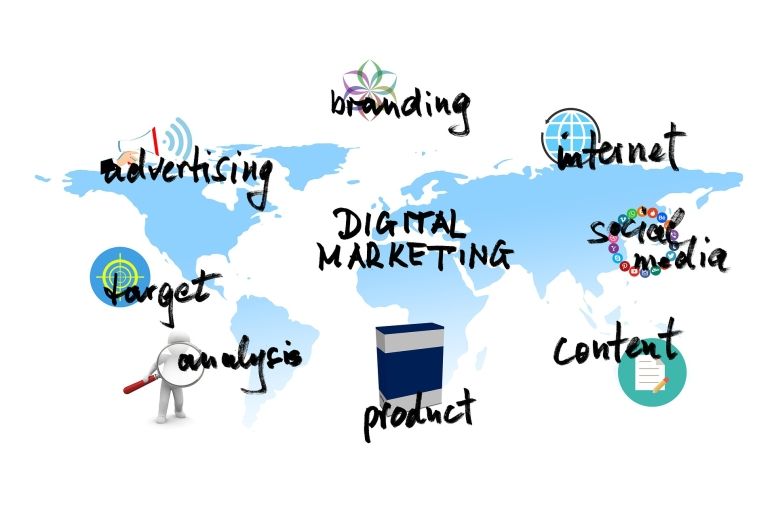
The Intersection of Marketing and Digital Design
In today’s digital age, the synergy between marketing and digital design has never been more crucial. As businesses strive to make their mark in the online world, the role of visually appealing and user-friendly design cannot be overstated.
Effective digital design goes beyond aesthetics; it is a powerful tool that can significantly impact a brand’s marketing efforts. From websites to social media campaigns, every digital touchpoint presents an opportunity to engage with customers and convey a brand’s message.
When it comes to marketing, design plays a pivotal role in capturing attention, conveying brand identity, and influencing consumer behaviour. A well-designed website, for example, can enhance user experience, improve conversion rates, and ultimately drive sales.
Furthermore, in an era where visual content reigns supreme, compelling graphics and multimedia elements are essential for creating memorable marketing campaigns. Whether it’s an eye-catching banner ad or an engaging social media post, effective digital design can help a brand stand out in a crowded online landscape.
Moreover, with the rise of mobile devices and responsive web design, marketers must ensure that their digital assets are optimised for various screen sizes and devices. This requires a seamless integration of design principles with marketing strategies to deliver consistent branding across all platforms.
In conclusion, the marriage of marketing and digital design is essential for businesses looking to make an impact in today’s competitive digital landscape. By harnessing the power of compelling visuals, intuitive interfaces, and strategic messaging, brands can effectively communicate their value proposition and engage with their target audience on a deeper level.
Five Key Benefits of Digital Design in Marketing: Boosting Visibility, Engagement, and Competitiveness
- Enhances brand visibility and recognition in the digital space.
- Improves user experience and engagement on websites and digital platforms.
- Drives conversions and increases sales through visually appealing design elements.
- Facilitates targeted marketing campaigns with customised visual content.
- Helps businesses stay competitive by adapting to evolving digital trends and technologies.
Seven Challenges in Digital Marketing Design: Balancing Aesthetics, Functionality, and Accessibility
- 1. Overemphasis on aesthetics may overshadow functionality and user experience.
- 2. Rapidly changing design trends can lead to frequent website redesigns, incurring additional costs.
- 3. Inadequate attention to SEO best practices in design may hinder search engine visibility.
- 4. Poorly optimized mobile responsiveness can result in a negative user experience on smartphones and tablets.
- 5. Lack of cohesive branding across digital platforms can dilute brand identity and confuse consumers.
- 6. Heavy reliance on visual content may alienate visually impaired users who rely on screen readers.
- 7. Insufficient focus on data-driven design decisions may lead to ineffective marketing campaigns and low ROI.
Enhances brand visibility and recognition in the digital space.
Incorporating digital design into marketing strategies enhances brand visibility and recognition in the digital space. By creating visually appealing and cohesive digital assets, businesses can establish a strong online presence that resonates with their target audience. Consistent branding across websites, social media platforms, and other digital channels not only increases brand visibility but also reinforces brand recognition, making it easier for consumers to identify and connect with the brand in the crowded digital landscape.
Improves user experience and engagement on websites and digital platforms.
Enhancing user experience and engagement on websites and digital platforms is a key benefit of marketing digital design. By incorporating intuitive navigation, visually appealing layouts, and interactive elements, digital design can create a seamless and enjoyable experience for users. This not only keeps visitors engaged but also encourages them to explore further, increasing the likelihood of conversions and fostering a positive brand perception. Effective digital design ensures that users can easily find the information they need, navigate through content effortlessly, and interact with the brand in meaningful ways, ultimately leading to improved user satisfaction and loyalty.
Drives conversions and increases sales through visually appealing design elements.
In the realm of marketing digital design, one significant advantage lies in its ability to drive conversions and boost sales through visually captivating design elements. By incorporating aesthetically pleasing graphics, intuitive layouts, and engaging multimedia content, businesses can create a compelling online presence that not only attracts but also retains customers. The strategic use of design elements can enhance user experience, build brand credibility, and ultimately lead to higher conversion rates, translating into increased sales and revenue generation for the business.
Facilitates targeted marketing campaigns with customised visual content.
One significant advantage of marketing digital design is its ability to facilitate targeted marketing campaigns through customised visual content. By tailoring images, graphics, and multimedia elements to specific audience segments, businesses can create personalised and engaging marketing materials that resonate with their target demographic. This level of customisation not only enhances brand relevance and authenticity but also increases the likelihood of capturing the attention and interest of potential customers. Ultimately, this approach leads to more effective communication, higher engagement rates, and improved conversion outcomes for businesses leveraging digital design in their marketing strategies.
Helps businesses stay competitive by adapting to evolving digital trends and technologies.
In the fast-paced digital landscape, the ability to adapt to evolving trends and technologies is paramount for businesses to remain competitive. Marketing digital design offers a strategic advantage by enabling companies to stay ahead of the curve and effectively engage with their target audience in innovative ways. By embracing the latest digital tools and trends, businesses can not only attract and retain customers but also differentiate themselves in a crowded marketplace, ultimately driving growth and success.
1. Overemphasis on aesthetics may overshadow functionality and user experience.
In the realm of digital marketing design, a significant drawback lies in the potential for an overemphasis on aesthetics to overshadow functionality and user experience. While visually appealing design can certainly captivate audiences, prioritising aesthetics above all else may lead to designs that sacrifice usability and fail to meet the needs of users. When form takes precedence over function, websites and digital assets may become cumbersome to navigate, leading to frustration among users and hindering conversions. It is crucial for marketers to strike a balance between aesthetics and usability, ensuring that design choices enhance rather than detract from the overall user experience.
2. Rapidly changing design trends can lead to frequent website redesigns, incurring additional costs.
One significant drawback of marketing digital design is the constant evolution of design trends, which can necessitate frequent website redesigns, resulting in additional expenses for businesses. As design preferences and user expectations shift rapidly in the digital realm, staying relevant and competitive often requires updating websites to align with the latest trends. This ongoing cycle of redesigns can strain financial resources and time, diverting attention from other critical aspects of a company’s marketing strategy. The need to adapt to changing design trends while balancing budget constraints poses a challenge for businesses seeking to maintain a visually appealing and engaging online presence.
3. Inadequate attention to SEO best practices in design may hinder search engine visibility.
Inadequate attention to SEO best practices in digital design poses a significant con that can hinder a brand’s search engine visibility. Without optimising design elements such as meta tags, image alt text, and site structure for search engines, a beautifully designed website may struggle to rank well in search results. Neglecting SEO considerations in the design process can limit organic traffic and hinder the overall effectiveness of digital marketing efforts, ultimately impacting the brand’s online visibility and reach.
4. Poorly optimized mobile responsiveness can result in a negative user experience on smartphones and tablets.
One significant drawback of digital marketing design is the potential for poorly optimized mobile responsiveness, leading to a negative user experience on smartphones and tablets. When websites or marketing materials are not tailored to display correctly on mobile devices, users may encounter issues such as distorted layouts, slow loading times, and difficulty navigating content. This can frustrate users, deter engagement, and ultimately drive potential customers away, highlighting the critical importance of ensuring seamless mobile responsiveness in digital design strategies.
5. Lack of cohesive branding across digital platforms can dilute brand identity and confuse consumers.
A significant drawback of marketing digital design is the potential for a lack of cohesive branding across various digital platforms, which can lead to the dilution of brand identity and confusion among consumers. When branding elements such as colours, fonts, messaging, and visual style are inconsistent or mismatched across different online channels, it can create a fragmented brand image that fails to resonate with audiences. This lack of uniformity may result in consumers struggling to recognise and connect with the brand, ultimately diminishing its overall impact and effectiveness in the competitive digital landscape.
6. Heavy reliance on visual content may alienate visually impaired users who rely on screen readers.
One significant drawback of marketing digital design is the heavy reliance on visual content, which can inadvertently exclude visually impaired users who depend on screen readers to access online information. By prioritising visual elements over text-based content, marketers risk alienating a portion of their audience who may struggle to interpret or engage with the visual aspects of a website or campaign. This exclusion not only goes against the principles of inclusivity and accessibility but also limits the reach and effectiveness of marketing efforts in reaching a diverse audience with varying needs and preferences.
7. Insufficient focus on data-driven design decisions may lead to ineffective marketing campaigns and low ROI.
An inherent con of marketing digital design is the potential for insufficient focus on data-driven design decisions, which can result in ineffective marketing campaigns and ultimately lead to a low return on investment (ROI). Without leveraging data insights to inform design choices, businesses risk missing out on valuable opportunities to optimise their digital assets for maximum impact. By neglecting the importance of data-driven decision-making in design, companies may struggle to resonate with their target audience, resulting in underwhelming campaign performance and diminished ROI.
Leave a Reply