
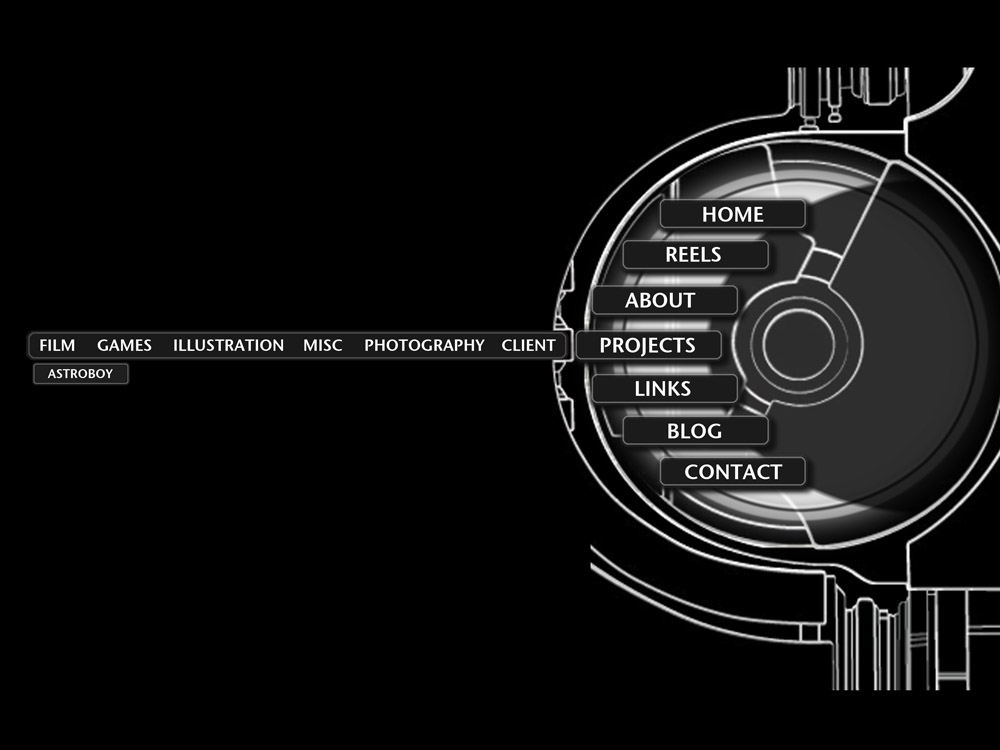
The Impact of Flash Website Design: A Visual Revolution
Flash website design has revolutionized the way we experience the web. With its ability to create dynamic and interactive multimedia content, Flash has brought a new level of engagement and excitement to online platforms.
One of the key advantages of using Flash in website design is its ability to deliver rich animations, audio, and video seamlessly. This enables designers to create immersive experiences that captivate users and leave a lasting impression.
Flash websites are known for their sleek and modern aesthetics. The use of animations and transitions can make a website feel more dynamic and visually appealing, enhancing the overall user experience.
However, it’s important to note that Flash technology is not without its drawbacks. One major concern is its compatibility with mobile devices. As mobile usage continues to rise, websites built entirely in Flash may face challenges in reaching a wider audience.
Furthermore, search engine optimization (SEO) can be more challenging with Flash websites due to the nature of how search engines crawl and index content. This can impact a site’s visibility in search results.
Despite these challenges, Flash website design remains a popular choice for those looking to create visually stunning and interactive web experiences. With advancements in technology, designers are finding ways to overcome these limitations while still harnessing the power of Flash.
In conclusion, flash website design has had a significant impact on the way we perceive and interact with online content. Its ability to create visually engaging experiences has set a new standard for web design, pushing boundaries and inspiring creativity in the digital realm.
Exploring Flash Website Design: FAQs on Benefits, Challenges, and Modern Alternatives
- What is Flash website design?
- What are the advantages of using Flash in website design?
- How does Flash enhance user experience on websites?
- Are there any drawbacks to using Flash in website design?
- Is Flash technology compatible with mobile devices?
- How does Flash impact search engine optimization (SEO)?
- What are some best practices for designing a Flash website?
- Can websites built entirely in Flash still be effective in today’s digital landscape?
- Are there alternatives to using Flash for creating interactive web experiences?
What is Flash website design?
Flash website design refers to the use of Adobe Flash technology to create visually dynamic and interactive websites. By leveraging Flash, designers can incorporate animations, audio, video, and other multimedia elements to enhance the user experience. Flash website design allows for the creation of engaging and immersive online environments that captivate visitors with their interactivity and visual appeal. While Flash technology has its advantages in creating stunning web experiences, it is important to consider factors such as compatibility with mobile devices and search engine optimization when implementing Flash in website design.
What are the advantages of using Flash in website design?
Using Flash in website design offers a multitude of advantages that elevate the user experience to new heights. One key benefit is the ability to incorporate rich multimedia elements such as animations, audio, and video seamlessly into the website, creating dynamic and engaging content. Flash enables designers to craft visually stunning websites with sleek aesthetics and captivating interactions, enhancing user engagement and leaving a lasting impression. Additionally, the versatility of Flash allows for the creation of interactive elements that can make navigation more intuitive and enjoyable for visitors. Overall, the advantages of using Flash in website design lie in its capacity to transform static web pages into immersive digital experiences that captivate audiences and set brands apart in a visually competitive online landscape.
How does Flash enhance user experience on websites?
Flash enhances user experience on websites by providing dynamic and interactive multimedia content that engages users in a visually compelling way. With Flash, designers can incorporate animations, audio, and video seamlessly into websites, creating immersive experiences that captivate and hold the attention of visitors. The use of Flash allows for sleek transitions, engaging visual effects, and interactive elements that make the browsing experience more enjoyable and memorable for users. By leveraging the capabilities of Flash technology, websites can offer a more dynamic and engaging interface that sets them apart from static websites, ultimately enhancing user engagement and satisfaction.
Are there any drawbacks to using Flash in website design?
When considering the use of Flash in website design, it is important to acknowledge that there are indeed drawbacks associated with this technology. One significant concern revolves around the compatibility of Flash with mobile devices, as the prevalence of smartphones and tablets continues to grow. Websites built solely in Flash may struggle to provide a seamless user experience on mobile platforms, potentially limiting accessibility and engagement. Additionally, search engine optimization (SEO) can pose a challenge for Flash websites due to the complexities involved in indexing and ranking content. This could impact the visibility of a website in search results, affecting its overall reach and effectiveness in reaching target audiences. Despite these drawbacks, advancements in technology and design practices are enabling developers to mitigate these limitations while still harnessing the creative potential of Flash in website design.
Is Flash technology compatible with mobile devices?
Flash technology poses compatibility challenges with mobile devices due to its limitations in adapting to the mobile environment. As mobile usage continues to dominate online interactions, the inability of Flash content to run seamlessly on most mobile platforms has become a significant concern for website designers and developers. The lack of native support for Flash on popular mobile operating systems, coupled with performance issues and security vulnerabilities, has led to a shift towards alternative technologies that offer better compatibility and user experience across various devices.
How does Flash impact search engine optimization (SEO)?
Flash can significantly impact search engine optimization (SEO) due to its inherent challenges in content indexing and accessibility. Search engines may struggle to crawl and index Flash content effectively, potentially leading to lower visibility in search results. This can hinder a website’s ability to rank well for relevant keywords and attract organic traffic. To mitigate these SEO challenges, alternative strategies such as providing HTML fallback content, optimizing metadata, and incorporating text-based elements can help improve the search engine friendliness of Flash websites. Balancing the visual appeal of Flash with SEO considerations is crucial for ensuring a website’s online visibility and success in the digital landscape.
What are some best practices for designing a Flash website?
When considering best practices for designing a Flash website, several key factors come into play to ensure a successful and effective outcome. Firstly, it is crucial to prioritize user experience by creating intuitive navigation and ensuring that the website is easy to use and navigate. Additionally, optimising loading times by keeping file sizes small and avoiding excessive animations can help maintain user engagement. Incorporating alternative content for non-Flash users, such as HTML fallback options, is essential for accessibility and search engine visibility. Furthermore, maintaining a balance between visual appeal and functionality is vital to create a seamless and engaging user experience on a Flash website.
Can websites built entirely in Flash still be effective in today’s digital landscape?
In today’s rapidly evolving digital landscape, the effectiveness of websites built entirely in Flash is a frequently debated topic. While Flash technology was once synonymous with cutting-edge design and interactivity, its relevance has diminished in recent years due to factors such as mobile device compatibility and search engine optimization challenges. Despite these limitations, websites built in Flash can still be effective for specific purposes where rich multimedia content and interactive experiences are paramount. However, it is crucial for businesses and designers to carefully consider the trade-offs and ensure that the benefits of using Flash align with their goals and target audience in order to maximise the impact of their online presence.
Are there alternatives to using Flash for creating interactive web experiences?
In response to the frequently asked question about alternatives to using Flash for creating interactive web experiences, the answer is a resounding yes. With the decline of Flash support across various platforms and devices, web designers have turned to alternative technologies such as HTML5, CSS3, JavaScript frameworks like jQuery and React, and WebGL to create engaging and interactive web experiences. These alternatives not only offer compatibility across a wider range of devices but also provide better performance and improved accessibility. By leveraging these modern technologies, designers can continue to deliver dynamic and immersive web experiences without relying on Flash.
Leave a Reply