
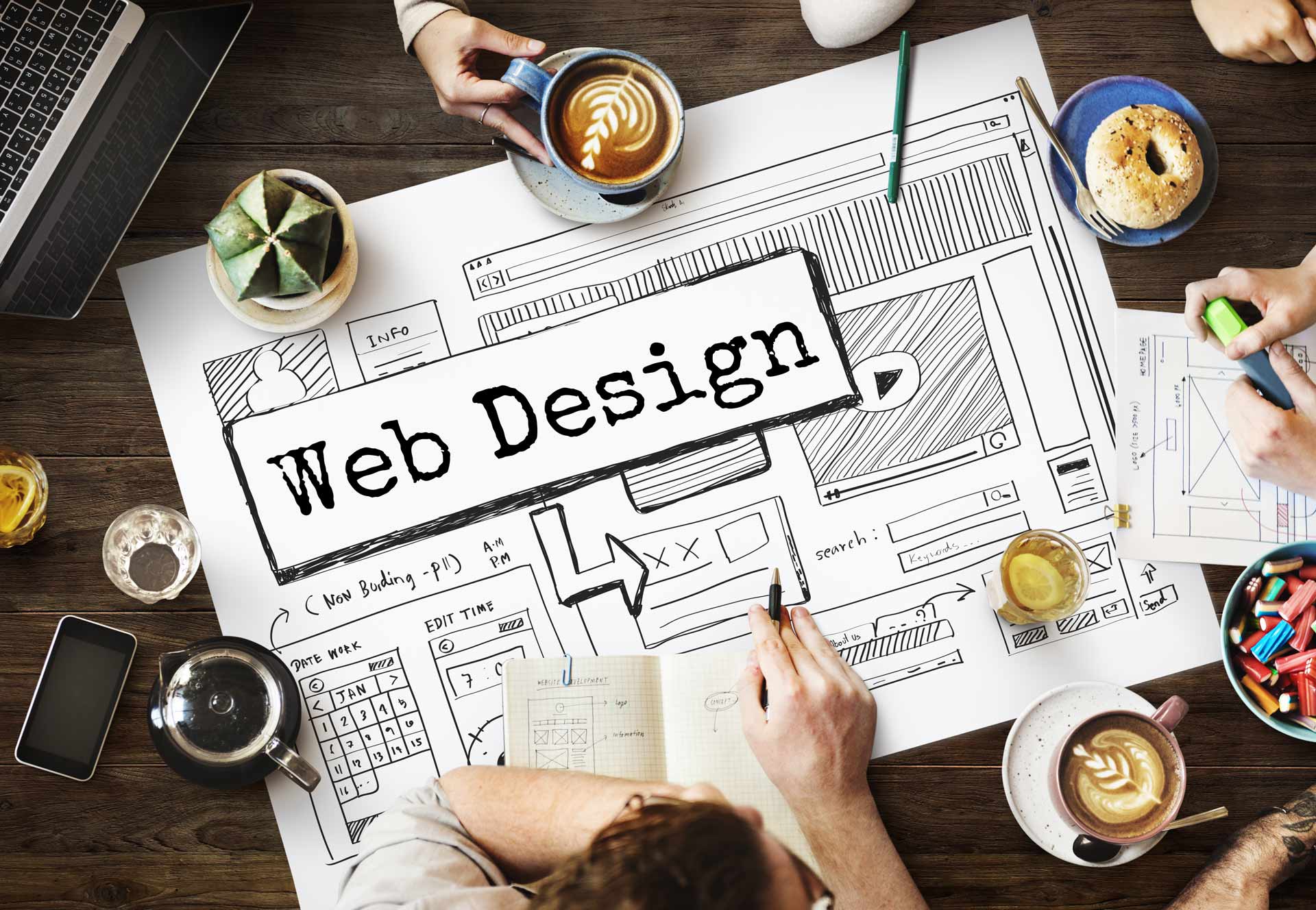
Web Design and Development: Creating Websites That Work
A successful website is more than an attractive collection of pages. It needs to communicate clearly, work smoothly across devices and help visitors take the next step. Web design and development bring these goals together, combining visual creativity with the technology that makes a website function.
What is web design and development?
Web design focuses on how a website looks and feels. It includes layout, typography, colour, imagery, navigation and the overall experience of moving through a site. Web development turns that design into a working website, using code and other technologies to build its features and connect its pages.
The two disciplines are closely linked. Design decisions affect how a website can be built, while development choices influence how well the finished site performs. Bringing both into the process early helps create a website that is appealing, practical and reliable.
Start with the people who will use it
Good websites begin with a clear understanding of their audience. What information are visitors looking for? What might prevent them from finding it? What action should they be able to take?
Answering these questions helps shape the site structure, content and user journeys. Straightforward navigation, clear page headings and useful calls to action make it easier for visitors to find what they need without unnecessary effort.
Design for every screen
People visit websites on mobiles, tablets, laptops and desktop computers. Responsive design allows a site to adapt to different screen sizes, keeping its content readable and its features easy to use.
This means more than shrinking a desktop layout to fit a phone. It involves considering how menus, images, forms and interactive elements behave on smaller screens, and making sure important content remains easy to access.
Make accessibility part of the process
An accessible website is designed so that as many people as possible can use it, including people who navigate with a keyboard or use assistive technology. Clear contrast, descriptive link text, properly structured headings and text alternatives for images all contribute to a better experience.
Accessibility is not simply a final check. Including it from the start can improve usability for everyone and help make sure that no visitor is unnecessarily excluded.
Prioritise performance and search visibility
Speed matters. Slow-loading pages can frustrate visitors and make it harder for them to complete a task. Optimised images, efficient code, reliable hosting and careful use of scripts can all help a website load more quickly.
Search engine optimisation should also be considered during design and development. A logical site structure, descriptive page titles, useful content and mobile-friendly performance help search engines understand a website and help people find relevant information.
Build for security and future growth
A website needs ongoing care after launch. Regular software updates, secure hosting, strong passwords and dependable backups help protect the site and its users. Forms and other features that handle personal information should be built and managed with care.
It is also worth planning for change. A flexible content management system and a well-organised technical foundation make it easier to update pages, add features and grow the site as a business or organisation evolves.
A joined-up process makes the difference
From planning and content to design, development, testing and launch, each stage contributes to the final result. Testing across browsers and devices helps uncover issues before visitors encounter them. Reviewing the website after launch can reveal opportunities to improve its content, performance and usability over time.
When design and development work together, the result is a website that looks considered and performs as expected. By focusing on users, accessibility, speed, security and long-term flexibility, organisations can create digital experiences that are not only visually engaging but genuinely useful.
Five Key Benefits of Web Design Development: Enhancing First Impressions, Device Compatibility, Information Access, Accessibility, and Business Growth
- Creates a strong first impression.
- Works smoothly across devices.
- Helps visitors find information quickly.
- Improves accessibility and usability.
- Supports business growth and visibility.
Challenges in Web Design Development: Costs, Delays, and User Experience Pitfalls
- Can be costly to design and build.
- Projects may take longer than expected.
- Requires ongoing updates and maintenance.
- Poor design can frustrate users.
- Complex features may introduce bugs.
- Accessibility can be overlooked.
- Slow websites can lose visitors.
Creates a strong first impression.
Effective web design and development help your business make a strong first impression from the moment someone visits your website. A polished appearance, clear messaging and intuitive navigation show visitors that your brand is professional and trustworthy. When pages load quickly and work smoothly on any device, people are more likely to stay, explore and feel confident about taking the next step.
Works smoothly across devices.
A well-designed, responsive website works smoothly across mobiles, tablets and desktop computers. Its layout, images and features adapt to different screen sizes, making pages easy to read and navigate wherever visitors are. This consistent experience helps people find what they need and use the site without frustration.
Helps visitors find information quickly.
Well-planned web design and development help visitors find the information they need quickly. Clear navigation, logical page layouts, descriptive headings and a prominent search function make it easy to move through a website without getting lost. When content is organised around visitors’ needs, they can spend less time searching and more time taking action.
Improves accessibility and usability.
Thoughtful web design and development make websites easier for everyone to use. Clear navigation, readable text, strong colour contrast, responsive layouts and keyboard-friendly features help visitors find information and complete tasks with confidence, including people using assistive technologies. By prioritising accessibility and usability from the outset, a website can offer a smoother, more inclusive experience across devices and abilities.
Supports business growth and visibility.
Effective web design and development can support business growth by giving your organisation a professional, accessible presence online. A well-structured, mobile-friendly website helps potential customers discover your services, understand what sets you apart and get in touch with ease. With clear content, fast performance and search engine optimisation built in, your website can increase visibility, attract new audiences and turn more visits into valuable enquiries.
Can be costly to design and build.
One potential drawback of web design and development is the cost involved. Creating a polished, secure and easy-to-use website can require specialist skills, careful planning and ongoing testing, all of which add to the budget. The price may rise further if the project needs bespoke features, e-commerce tools or integrations with other systems. However, setting clear priorities and planning for future updates can help keep costs under control and ensure the investment delivers lasting value.
Projects may take longer than expected.
Web design and development projects can take longer than expected, particularly when requirements change, feedback is delayed or technical issues arise. Design revisions, content preparation, testing and compatibility checks can all add time to the schedule. Setting clear goals, agreeing milestones and keeping communication open can help manage expectations, although some flexibility is still important to ensure the finished website is polished, reliable and fit for purpose.
Requires ongoing updates and maintenance.
One of the drawbacks of web design and development is that a website needs ongoing updates and maintenance after launch. Software, plugins and security measures must be kept up to date, while content and features may need regular reviews to remain accurate, secure and compatible with changing devices and browsers. This takes time and resources, so maintenance should be factored into the project from the outset.
Poor design can frustrate users.
Poor web design can quickly frustrate users. Confusing navigation, cluttered layouts, hard-to-read text or features that do not work as expected can make it difficult to find information or complete a task. When visitors have to work too hard to use a website, they may leave and look elsewhere, damaging trust and reducing the chance that they will return.
Complex features may introduce bugs.
Complex features can make a website more useful, but they also create more opportunities for bugs to appear. Interactive tools, integrations and custom functionality may behave differently across devices or conflict with other parts of the site, leading to errors or a frustrating user experience. Thorough testing, ongoing maintenance and a carefully considered scope can help reduce these risks, though they may add time and cost to development.
Accessibility can be overlooked.
Accessibility can be overlooked when web design and development focus too heavily on appearance, speed or new features. If a site lacks sufficient colour contrast, keyboard-friendly navigation, clear headings or text alternatives for images, it may be difficult for people with disabilities to use. These oversights can exclude visitors, make important information harder to access and lead to costly changes later. Considering accessibility from the outset helps create a more inclusive and usable website for everyone.
Slow websites can lose visitors.
Slow websites can quickly lose visitors. When pages take too long to load, people may become frustrated and leave before they see what your business offers. This can mean fewer enquiries, sales or sign-ups, as well as a poorer overall impression of your brand. Optimising images, simplifying code and choosing reliable hosting can help improve loading times and keep visitors engaged.
Leave a Reply