
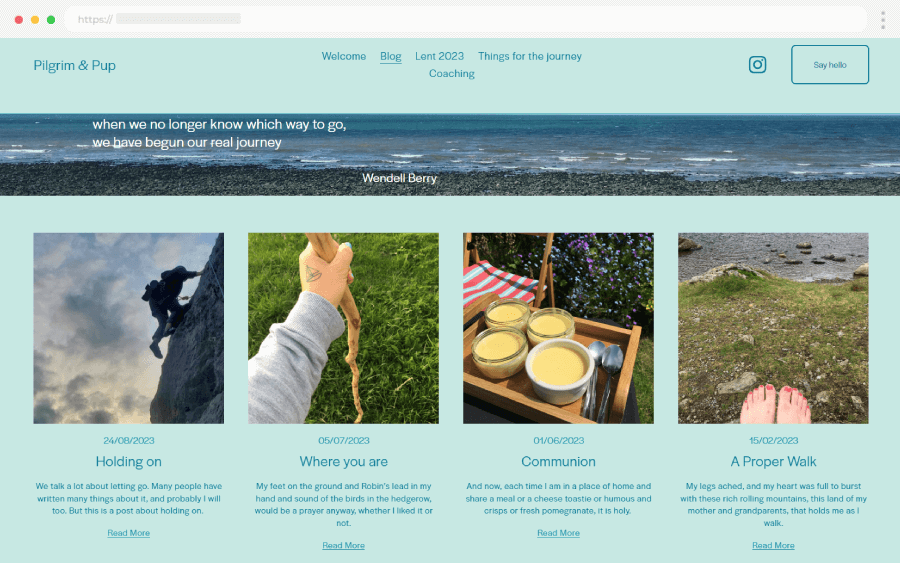
The Power of Dynamic Website Design
Dynamic website design has revolutionized the way we interact with the online world. Unlike static websites that display the same content to every visitor, dynamic websites are capable of adapting and customizing content based on user interactions, preferences, and other variables.
One of the key advantages of dynamic website design is its ability to provide a more personalized and engaging user experience. By incorporating features such as user logins, interactive forms, and tailored content recommendations, dynamic websites can create a sense of individuality for each visitor.
Another benefit of dynamic website design is its flexibility and scalability. With dynamic websites, content can be easily updated and managed through content management systems (CMS) without the need for extensive coding knowledge. This allows businesses to keep their websites fresh and relevant with minimal effort.
Dynamic websites are also highly adaptable to changing trends and technologies. They can integrate seamlessly with social media platforms, e-commerce systems, and other third-party services to enhance functionality and user engagement.
From a marketing perspective, dynamic website design offers opportunities for targeted advertising, personalised recommendations, and data-driven insights that can help businesses better understand their audience and improve conversion rates.
In conclusion, dynamic website design represents a new era in web development where interactivity, personalization, and functionality converge to create immersive online experiences. Whether you’re a small business looking to establish an online presence or a large corporation seeking to enhance customer engagement, embracing dynamic website design can be a game-changer in today’s digital landscape.
Top 5 Tips for Creating Engaging and Responsive Dynamic Websites
- Ensure responsive design for optimal viewing experience on various devices.
- Use CSS animations and transitions to add interactivity and visual appeal.
- Incorporate dynamic content that can be easily updated or personalized.
- Optimize loading times by minimizing unnecessary scripts and resources.
- Implement user-friendly navigation to enhance the browsing experience.
Ensure responsive design for optimal viewing experience on various devices.
It is crucial to ensure responsive design when implementing dynamic website design to guarantee an optimal viewing experience across a wide range of devices. Responsive design allows websites to adapt seamlessly to different screen sizes and resolutions, ensuring that users can access and interact with content comfortably on smartphones, tablets, laptops, and desktops. By prioritising responsive design in dynamic website development, businesses can enhance user satisfaction, improve accessibility, and maintain a consistent brand experience regardless of the device being used.
Use CSS animations and transitions to add interactivity and visual appeal.
By incorporating CSS animations and transitions into your dynamic website design, you can elevate user experience by adding a layer of interactivity and visual appeal. These tools allow for smooth and engaging transitions between different states or elements on the webpage, creating a more dynamic and immersive browsing experience for visitors. Whether it’s a subtle hover effect on a button or a captivating animation to draw attention to key information, leveraging CSS animations and transitions can make your website feel more polished, modern, and user-friendly.
Incorporate dynamic content that can be easily updated or personalized.
An essential tip for effective dynamic website design is to incorporate dynamic content that can be easily updated or personalized. By integrating features that allow for real-time content adjustments based on user behaviour, preferences, or external factors, websites can offer a more engaging and tailored experience. This approach not only keeps the content fresh and relevant but also enables businesses to connect with their audience on a deeper level, enhancing user satisfaction and driving conversions.
Optimize loading times by minimizing unnecessary scripts and resources.
To enhance the performance of your dynamic website design, it is crucial to optimise loading times by reducing the use of unnecessary scripts and resources. By streamlining the elements that are essential for functionality and user experience, you can significantly improve page load speed and overall performance. This not only enhances user satisfaction but also boosts search engine rankings, as faster-loading websites are favoured by algorithms. Prioritising efficiency in resource management is key to ensuring a seamless and responsive browsing experience for visitors interacting with your dynamic website.
Implement user-friendly navigation to enhance the browsing experience.
Implementing user-friendly navigation is a crucial tip in dynamic website design as it plays a pivotal role in enhancing the browsing experience for visitors. By ensuring that users can easily navigate through the website, find relevant information, and access different sections intuitively, you create a seamless and enjoyable interaction that encourages them to explore further. Clear navigation menus, logical hierarchy, and intuitive search functions are key elements that contribute to a positive user experience and keep visitors engaged with your dynamic website.
Leave a Reply