
The Power of Financial Website Design
Financial website design plays a crucial role in shaping the online presence of financial institutions and businesses. In today’s digital age, where consumers rely heavily on the internet for financial services, a well-designed website can make all the difference.
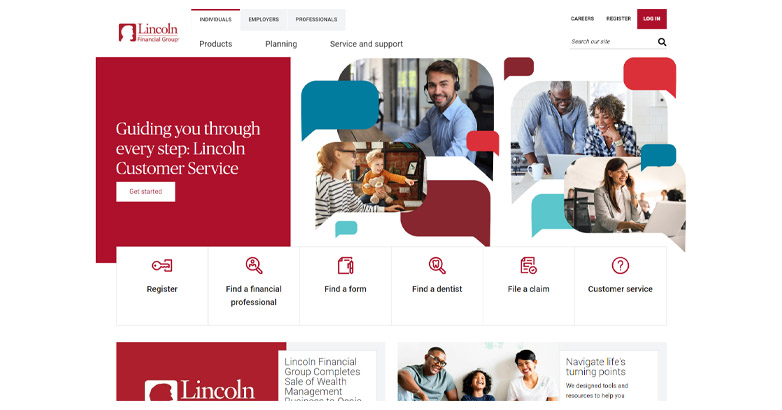
First impressions matter, especially in the world of finance. A professionally designed website instils trust and credibility in visitors, making them more likely to engage with your services. Clean layouts, intuitive navigation, and visually appealing elements help create a positive user experience that reflects the professionalism of your brand.
Functionality is key when it comes to financial websites. Users expect easy access to information, whether it’s account details, investment options, or financial advice. A user-friendly interface that simplifies complex financial concepts can enhance customer engagement and retention.
Security is paramount in the finance industry, and website design plays a vital role in ensuring data protection. Implementing robust security measures such as SSL encryption, multi-factor authentication, and secure payment gateways not only protect sensitive information but also build trust with users.
Mobile responsiveness is no longer optional – it’s essential. With an increasing number of users accessing websites on mobile devices, responsive design ensures that your financial website looks and functions seamlessly across all screen sizes. This improves user experience and accessibility.
Effective call-to-action (CTA) buttons are crucial for guiding users towards desired actions such as signing up for services or contacting your team. Strategic placement of CTAs within a well-designed layout can drive conversions and lead to increased engagement with your financial offerings.
In conclusion, investing in professional financial website design is an investment in the success and reputation of your business. By prioritising aesthetics, functionality, security, mobile responsiveness, and effective CTAs, you can create a digital platform that not only attracts visitors but also converts them into loyal customers.
Essential FAQs on Designing an Effective Financial Website
- Why is it important have the finances in place before starting to create a website?
- What is a financial website?
- Which website is best for web design?
- What is a good financial website?
- How do you design a financial product?
- What is in web designing?
- What makes a good financial website?
- What is a finance website?
Why is it important have the finances in place before starting to create a website?
Having the finances in place before starting to create a website is crucial for ensuring a smooth and successful development process. Financial planning at the outset allows businesses to accurately budget for design, development, hosting, and maintenance costs associated with building a website. By understanding and allocating resources appropriately, companies can avoid delays or compromises in quality due to unexpected financial constraints. Moreover, having a clear financial strategy in place ensures that the website project can be completed without interruptions and setbacks, ultimately leading to a well-executed online presence that aligns with the company’s goals and objectives.
What is a financial website?
A financial website is an online platform specifically designed to provide information, services, and resources related to finance, investments, banking, and other monetary matters. It serves as a digital hub where users can access a wide range of financial tools, calculators, educational content, and services offered by financial institutions or businesses. A well-crafted financial website typically includes features such as account management portals, investment tracking tools, market analysis reports, secure payment gateways, and resources for financial planning and management. By offering a convenient and accessible online space for users to engage with financial services and information, a financial website plays a pivotal role in enhancing customer experience and fostering trust in the digital realm.
Which website is best for web design?
When it comes to determining the best website for web design, the answer is not one-size-fits-all. The choice of platform depends on various factors such as the specific requirements of your project, your level of expertise, and your budget. Popular options for web design platforms include WordPress, Wix, Squarespace, and Shopify, each offering unique features and capabilities tailored to different needs. It’s essential to research and evaluate these platforms based on factors like ease of use, customisation options, scalability, and support services to determine which one aligns best with your design goals and technical proficiency. Ultimately, the best website for web design is the one that meets your specific needs and empowers you to create a visually stunning and functional online presence.
What is a good financial website?
A good financial website is one that combines aesthetic appeal with functionality and user-friendliness to create a seamless online experience for visitors. It should feature a clean and professional design that instils trust and credibility in users, reflecting the reliability of the financial institution or business behind it. A good financial website should also prioritise security measures to protect sensitive information, offer easy navigation for accessing financial services and information, ensure mobile responsiveness for accessibility across devices, and incorporate effective call-to-action elements to guide users towards desired actions. Ultimately, a good financial website is one that not only attracts visitors but also engages them effectively, fostering long-term relationships and trust.
How do you design a financial product?
Designing a financial product involves a meticulous process that combines creativity with precision to meet the unique needs of users in the financial sector. Understanding the target audience, conducting thorough research on industry trends and regulations, and collaborating closely with stakeholders are essential steps in crafting a successful financial product. From conceptualisation to prototyping and testing, every stage requires careful consideration of user experience, security measures, and compliance standards to ensure that the final product not only meets but exceeds expectations in delivering value and reliability to users.
What is in web designing?
In the realm of financial website design, the question “What is involved in web designing?” is a common query that seeks to unravel the intricacies of creating a compelling online presence for financial institutions. Web designing encompasses a spectrum of elements, including layout design, user interface development, content creation, and functionality integration. It involves crafting visually appealing aesthetics that align with the brand identity, ensuring seamless navigation for users to access financial information effortlessly, and incorporating security measures to safeguard sensitive data. Ultimately, web designing in the financial sector is about harmonising form and function to deliver a digital platform that engages users and fosters trust in the services offered.
What makes a good financial website?
When considering what makes a good financial website, several key factors come into play. Firstly, a good financial website should exude professionalism and trustworthiness through its design and content, instilling confidence in visitors. Clear and intuitive navigation is essential for users to easily find the information they need, whether it’s about services, rates, or financial advice. Providing up-to-date and relevant content is crucial to keep visitors engaged and informed. Additionally, robust security measures must be in place to protect sensitive data and build credibility with users. Mobile responsiveness is no longer a luxury but a necessity to cater to users accessing the site on various devices. Ultimately, a good financial website combines aesthetic appeal with functionality, user-friendliness, security, and informative content to deliver a comprehensive online experience for visitors.
What is a finance website?
A finance website is an online platform dedicated to providing financial information, services, and resources to users. It serves as a digital hub where individuals can access a wide range of financial tools, including account management, investment opportunities, budgeting advice, market analysis, and more. A finance website aims to educate and empower users by offering insights into various aspects of personal and business finance. Through informative content, interactive features, and secure transactions, a finance website facilitates financial decision-making and helps users navigate the complexities of the financial world with confidence.
Leave a Reply