
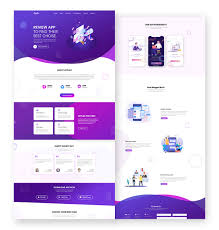
The Importance of UX Web Design
UX (User Experience) web design plays a crucial role in the success of any website. It focuses on creating a seamless and enjoyable experience for users as they navigate through a site. Here are some key reasons why UX web design is essential:
Enhances User Satisfaction
A well-designed website with a user-friendly interface and intuitive navigation can significantly enhance user satisfaction. When users can easily find what they are looking for and accomplish their goals efficiently, they are more likely to have a positive experience.
Improves Accessibility
Good UX design also takes into account accessibility considerations, ensuring that all users, including those with disabilities, can access and use the website effectively. This inclusivity not only benefits users but also helps websites comply with accessibility standards.
Boosts Conversion Rates
An intuitive and well-structured website can lead to higher conversion rates. By guiding users through the site in a logical manner and making it easy for them to complete desired actions (such as making a purchase or signing up for a newsletter), UX design can help improve conversion rates.
Builds Brand Loyalty
A positive user experience can foster brand loyalty and encourage repeat visits. When users have a pleasant experience on a website, they are more likely to return in the future and recommend the site to others, helping to build brand reputation and credibility.
Drives Business Growth
Ultimately, investing in UX web design can drive business growth by attracting more visitors, increasing engagement, and ultimately leading to higher conversions and revenue generation. A well-designed website that prioritises user experience can give businesses a competitive edge in the digital landscape.
In conclusion, UX web design is not just about aesthetics; it’s about creating functional, user-centric experiences that deliver value to both users and businesses alike. By prioritising UX design principles, websites can create meaningful connections with their audience and achieve long-term success online.
Understanding UX Web Design: Key Concepts, Importance, and Common Challenges
- What is UX web design?
- Why is UX web design important?
- How does UX web design differ from UI design?
- What are the key principles of UX web design?
- How can UX research benefit the web design process?
- What are common usability issues in web design and how can they be addressed?
What is UX web design?
UX web design, short for User Experience web design, refers to the process of creating websites that prioritise the user’s needs and preferences to deliver a seamless and enjoyable online experience. It encompasses a range of disciplines, including usability, accessibility, and interaction design, with the goal of making websites easy to navigate, engaging to interact with, and ultimately effective in achieving their intended purpose. UX web design focuses on understanding user behaviour, conducting research, and implementing design solutions that enhance user satisfaction and drive positive outcomes for both users and businesses.
Why is UX web design important?
Understanding the importance of UX web design is crucial for creating successful websites. UX design goes beyond just aesthetics; it focuses on enhancing user satisfaction, improving accessibility, boosting conversion rates, building brand loyalty, and ultimately driving business growth. By prioritising user experience in web design, businesses can create intuitive and engaging online experiences that not only meet the needs of their audience but also contribute to long-term success in the digital landscape.
How does UX web design differ from UI design?
In the realm of web design, a common question that arises is how UX (User Experience) design differs from UI (User Interface) design. While UI design focuses on the visual aspects of a website, such as layout, colours, and typography, UX design delves deeper into the overall user experience by considering factors like usability, accessibility, and user interaction. In essence, UX design is about creating a seamless and intuitive journey for users as they navigate through a website, ensuring that their needs and goals are met effectively. On the other hand, UI design deals with the aesthetic elements that enhance the visual appeal of a site but also play a significant role in guiding users through the interface. Both UX and UI design are integral components of web development, working in tandem to create engaging and user-friendly digital experiences.
What are the key principles of UX web design?
When it comes to UX web design, understanding the key principles is essential for creating engaging and user-centric experiences. The key principles of UX web design revolve around prioritising user needs and preferences, ensuring ease of use and navigation, maintaining consistency in design elements, providing clear feedback and guidance, optimizing for speed and performance, fostering accessibility for all users, and continuously testing and iterating to improve the overall user experience. By adhering to these principles, designers can create websites that not only look visually appealing but also function seamlessly to meet the needs and expectations of their target audience.
How can UX research benefit the web design process?
Understanding the importance of UX research in the web design process is crucial for creating successful and user-centric websites. By conducting thorough UX research, designers can gain valuable insights into user behaviours, preferences, and pain points. This information allows them to make informed design decisions that align with user needs and expectations, ultimately leading to more intuitive and engaging website experiences. UX research helps designers identify areas for improvement, validate design choices, and iterate on designs based on real user feedback, resulting in websites that are not only visually appealing but also functional and user-friendly. In essence, incorporating UX research into the web design process is key to creating websites that truly resonate with their target audience.
What are common usability issues in web design and how can they be addressed?
Common usability issues in web design often stem from poor navigation, cluttered layouts, slow loading times, and lack of responsiveness. Addressing these issues requires a user-centric approach, starting with conducting thorough user testing to identify pain points and areas for improvement. Improving navigation by simplifying menus and providing clear signposts can enhance user experience. Streamlining content and design elements to reduce clutter helps users focus on essential information. Optimising website performance for faster loading speeds and ensuring responsiveness across devices are also key in addressing usability issues. By prioritising user needs and implementing best practices in UX design, websites can overcome common usability challenges and deliver a more seamless and engaging experience for visitors.
Leave a Reply