
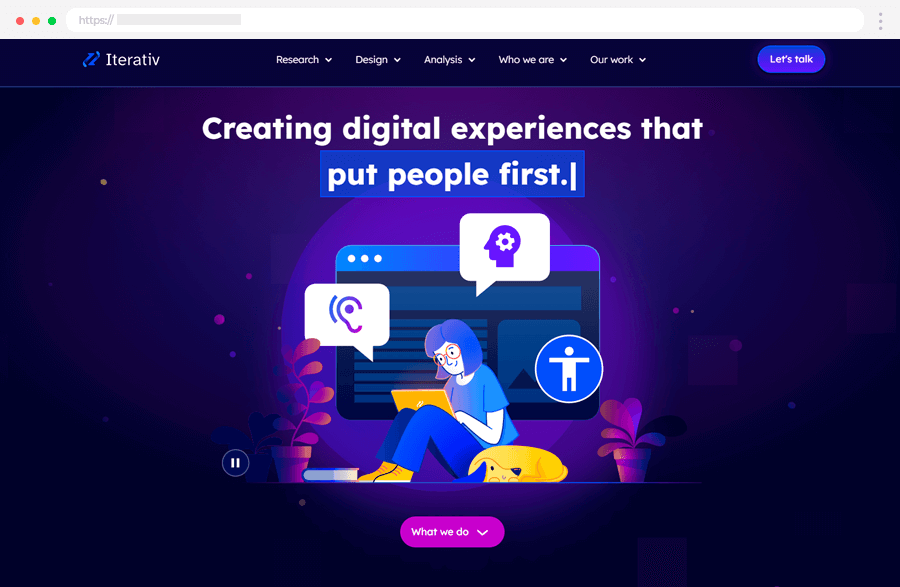
The Importance of Startup Website Design
For startups, a well-designed website is not just a digital presence but a crucial tool for establishing credibility, attracting customers, and driving business growth. In today’s digital age, where first impressions are formed within seconds, the design of your website can make or break your startup’s success.
One key aspect of startup website design is user experience (UX) design. A user-friendly and intuitive website layout can significantly impact how visitors interact with your site and whether they stay to explore further or bounce away. Clear navigation, compelling content, and responsive design are all essential elements that contribute to a positive user experience.
Another important consideration in startup website design is branding. Your website should reflect your brand identity through consistent use of colours, fonts, imagery, and messaging. A cohesive brand presence helps build brand recognition and trust among your target audience.
Mobile responsiveness is also critical in today’s mobile-centric world. With more users accessing websites on smartphones and tablets, ensuring that your website is optimised for mobile devices is essential for reaching a wider audience and providing a seamless browsing experience.
Furthermore, search engine optimisation (SEO) plays a vital role in driving organic traffic to your startup website. By incorporating relevant keywords, meta tags, and high-quality content, you can improve your site’s visibility on search engine results pages and attract more potential customers.
In conclusion, startup website design is a multifaceted process that requires careful attention to detail and strategic planning. By investing in a well-designed website that prioritises user experience, branding consistency, mobile responsiveness, and SEO best practices, startups can create a strong online presence that sets them apart from the competition and paves the way for long-term success.
6 Essential Tips for Designing an Effective Startup Website
- Keep the design clean and simple to ensure a user-friendly experience.
- Focus on creating a responsive design that looks good on all devices.
- Use high-quality images and graphics to make your website visually appealing.
- Ensure easy navigation by organising content logically and using clear menus.
- Include prominent calls-to-action to guide visitors towards desired actions.
- Test your website regularly for usability and performance to identify areas for improvement.
Keep the design clean and simple to ensure a user-friendly experience.
When it comes to startup website design, a crucial tip is to keep the design clean and simple. By maintaining a minimalist approach with uncluttered layouts, intuitive navigation, and clear messaging, startups can create a user-friendly experience that enhances engagement and encourages visitors to explore further. A clean and simple design not only improves usability but also conveys professionalism and credibility, helping to establish a strong foundation for building brand trust and loyalty.
Focus on creating a responsive design that looks good on all devices.
When it comes to startup website design, a crucial tip is to prioritise creating a responsive design that seamlessly adapts to all devices. Ensuring that your website looks and functions flawlessly on desktops, laptops, tablets, and smartphones is essential for providing a consistent user experience across different platforms. A responsive design not only enhances usability but also boosts credibility and professionalism, ultimately helping your startup attract and retain visitors regardless of the device they are using to access your site.
Use high-quality images and graphics to make your website visually appealing.
In startup website design, utilising high-quality images and graphics is paramount to creating a visually captivating and engaging online presence. Compelling visuals not only enhance the aesthetic appeal of your website but also help to convey your brand’s identity and message effectively. By incorporating professional photography, eye-catching graphics, and relevant illustrations, startups can leave a lasting impression on visitors, build credibility, and differentiate themselves in a crowded digital landscape. Remember, a picture is worth a thousand words – so make sure your visuals speak volumes about your brand and offerings.
Ensure easy navigation by organising content logically and using clear menus.
To enhance the user experience of a startup website, it is essential to ensure easy navigation by organising content logically and using clear menus. By structuring information in a coherent and intuitive manner, visitors can easily find what they are looking for without feeling overwhelmed or lost. Clear menus that categorise content effectively not only streamline the browsing experience but also help users navigate the site with ease, ultimately leading to higher engagement and conversion rates.
Include prominent calls-to-action to guide visitors towards desired actions.
In startup website design, it is crucial to include prominent calls-to-action strategically placed throughout the site to guide visitors towards desired actions. Whether it’s signing up for a newsletter, making a purchase, or scheduling a demo, clear and compelling calls-to-action serve as signposts that direct users on their journey through the website. By making these prompts prominent and visually appealing, startups can effectively engage visitors and encourage them to take the next step, ultimately driving conversions and achieving their business goals.
Test your website regularly for usability and performance to identify areas for improvement.
Regularly testing your startup website for usability and performance is paramount to its success. By conducting thorough tests, you can uncover any potential issues or bottlenecks that may hinder user experience and overall performance. Identifying these areas for improvement allows you to make necessary adjustments, refine your website’s functionality, and ensure that it continues to meet the evolving needs of your target audience. Testing not only enhances the usability of your website but also contributes to its long-term success by fostering a seamless and engaging user experience.
Leave a Reply