
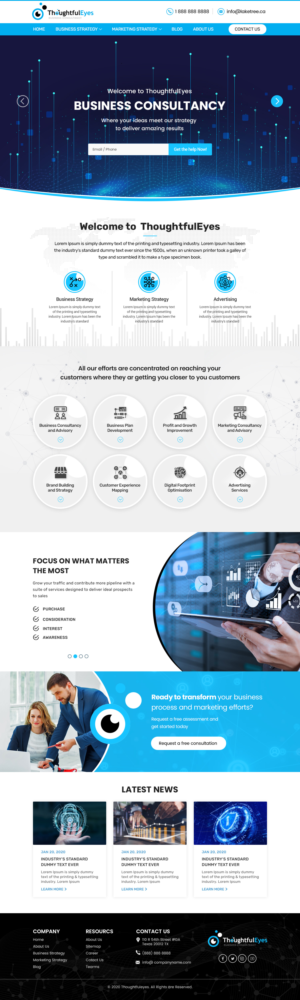
Marketing and Website Design: A Symbiotic Relationship
In today’s digital age, the synergy between marketing and website design is more crucial than ever. A well-designed website is not just a digital placeholder for a business; it is a powerful marketing tool that can drive engagement, conversions, and brand loyalty.
Effective marketing strategies rely heavily on a website’s design to convey the brand’s message, values, and offerings to its target audience. A visually appealing and user-friendly website can captivate visitors from the moment they land on the page, encouraging them to explore further and ultimately take desired actions.
Website design plays a pivotal role in shaping the user experience (UX) and user interface (UI) of a site. A seamless navigation structure, intuitive layout, compelling visuals, and responsive design are all factors that contribute to enhancing user engagement and retention.
Furthermore, website design directly impacts search engine optimization (SEO) efforts. Search engines favour websites with clean code, fast loading times, mobile responsiveness, and high-quality content – all of which are influenced by design elements such as layout, images, typography, and multimedia integration.
On the flip side, marketing strategies inform website design decisions by providing insights into target audience demographics, behaviour patterns, preferences, and trends. Understanding these factors allows designers to create tailored experiences that resonate with users on a personal level.
Incorporating branding elements consistently across marketing campaigns and website design reinforces brand identity and fosters brand recognition. Cohesive branding builds trust with consumers and establishes a strong brand presence in the competitive digital landscape.
In conclusion, successful marketing campaigns are intrinsically linked to effective website design. By aligning marketing objectives with thoughtful design principles, businesses can create compelling online experiences that drive traffic, conversions, and long-term customer relationships.
Eight Key Benefits of Marketing and Website Design for Business Success
- Enhances brand visibility and recognition.
- Drives targeted traffic to the website.
- Improves user experience and engagement.
- Boosts conversion rates and sales.
- Strengthens brand credibility and trust.
- Facilitates data-driven decision-making through analytics.
- Expands reach to a global audience 24/7.
- Creates a competitive edge in the market.
Challenges in Marketing and Website Design: Addressing Inconsistencies, User Experience, and Integration Issues
- 1. Inconsistent branding across marketing materials and website design can lead to confusion among consumers.
- 2. Poorly designed websites with slow loading times or complex navigation can result in high bounce rates and reduced user engagement.
- 3. Overly aggressive marketing tactics on websites, such as intrusive pop-ups or excessive ads, can deter visitors and harm the user experience.
- 4. Lack of integration between marketing strategies and website design may result in disjointed messaging and ineffective communication of brand values.
- 5. Ignoring mobile responsiveness in website design can alienate a significant portion of users who access the site on mobile devices, impacting overall reach and engagement.
- 6. Failure to regularly update and optimise website content based on marketing analytics may lead to missed opportunities for improving conversions and ROI.
Enhances brand visibility and recognition.
The seamless integration of marketing strategies with thoughtful website design enhances brand visibility and recognition significantly. A well-crafted website that embodies the essence of a brand through visual elements, messaging, and user experience creates a lasting impression on visitors. Consistent branding across marketing channels and the website reinforces brand identity, making it easily recognisable to consumers. This increased visibility not only attracts new audiences but also fosters trust and loyalty among existing customers, establishing a strong brand presence in the competitive digital landscape.
Drives targeted traffic to the website.
One significant advantage of integrating marketing strategies with effective website design is the ability to drive targeted traffic to the website. By employing tailored marketing campaigns that resonate with specific audience segments, businesses can attract qualified leads and potential customers to their site. A well-designed website optimised for user experience and search engine visibility further enhances this process by providing visitors with relevant content, intuitive navigation, and compelling calls-to-action, resulting in increased engagement and conversions. This synergy between marketing and website design not only boosts traffic quantity but also improves the quality of visitors, leading to a higher likelihood of achieving business goals and generating valuable leads.
Improves user experience and engagement.
Enhancing user experience and engagement is a key benefit of integrating marketing strategies with website design. By creating visually appealing layouts, intuitive navigation structures, and interactive elements, businesses can captivate visitors and encourage them to explore further. A seamless user experience not only keeps users on the site longer but also increases the likelihood of conversions and brand loyalty. Through strategic design choices informed by marketing insights, companies can create immersive online experiences that resonate with users, ultimately driving engagement and fostering meaningful connections with their target audience.
Boosts conversion rates and sales.
The seamless integration of marketing strategies with effective website design has a profound impact on boosting conversion rates and driving sales. A well-crafted website that is optimised for user experience and strategically aligned with marketing campaigns can guide visitors through a seamless journey, from initial engagement to final purchase. By strategically placing calls-to-action, leveraging persuasive visuals, and creating intuitive navigation paths, businesses can significantly increase their conversion rates and ultimately drive more sales. This synergy between marketing and website design not only enhances the overall customer experience but also maximises the potential for turning leads into loyal customers.
Strengthens brand credibility and trust.
In the realm of marketing and website design, one undeniable benefit is the ability to strengthen brand credibility and trust. A well-crafted website that reflects a cohesive brand identity, coupled with strategic marketing initiatives that communicate authenticity and value, can instil confidence in consumers. Consistent branding across all touchpoints reinforces a sense of reliability and professionalism, fostering trust and loyalty among customers. By prioritising brand credibility through thoughtful design and targeted marketing efforts, businesses can establish a solid reputation that resonates with their audience and sets them apart in a competitive market landscape.
Facilitates data-driven decision-making through analytics.
The integration of marketing and website design facilitates data-driven decision-making through analytics, providing invaluable insights into user behaviour, engagement metrics, and conversion rates. By leveraging analytical tools, businesses can track and measure the performance of their digital marketing efforts in real-time, allowing for informed adjustments and optimisations to enhance overall effectiveness. This data-driven approach empowers organisations to make strategic decisions based on concrete evidence rather than assumptions, leading to more targeted campaigns, improved user experiences, and ultimately, greater ROI.
Expands reach to a global audience 24/7.
An inherent advantage of integrating marketing strategies with well-crafted website design is the ability to expand reach to a global audience round the clock. By establishing an online presence that transcends geographical boundaries and time zones, businesses can connect with potential customers worldwide at any hour of the day. This continuous accessibility not only enhances brand visibility but also allows for seamless engagement with diverse audiences, ultimately driving growth and fostering international relationships.
Creates a competitive edge in the market.
When it comes to creating a competitive edge in the market, the synergy between marketing and website design is unparalleled. A strategically designed website that seamlessly integrates marketing principles can set a business apart from its competitors by enhancing brand visibility, engaging target audiences effectively, and differentiating the brand in a crowded marketplace. By leveraging innovative design elements and targeted marketing strategies, businesses can establish a distinct online presence that not only attracts but also retains customers, ultimately giving them a competitive advantage in an ever-evolving digital landscape.
1. Inconsistent branding across marketing materials and website design can lead to confusion among consumers.
Inconsistent branding across marketing materials and website design can pose a significant challenge for businesses, as it may result in confusion among consumers. When branding elements such as logos, colours, messaging, and tone of voice vary between different platforms, customers may struggle to identify and connect with the brand cohesively. This lack of uniformity can dilute brand recognition, erode trust, and ultimately hinder the establishment of a strong brand identity in the minds of consumers. Consistency in branding is key to fostering brand loyalty and ensuring a seamless experience for customers across all touchpoints.
2. Poorly designed websites with slow loading times or complex navigation can result in high bounce rates and reduced user engagement.
One significant drawback of marketing and website design is the negative impact of poorly designed websites on user experience. Websites plagued by slow loading times or convoluted navigation systems can lead to high bounce rates and diminished user engagement. When visitors encounter obstacles such as delays in content loading or difficulty in finding information, they are more likely to abandon the site without exploring further, resulting in missed opportunities for conversions and brand interaction. It underscores the importance of prioritising user-friendly design and optimised performance to retain visitors and maximise the effectiveness of marketing efforts.
3. Overly aggressive marketing tactics on websites, such as intrusive pop-ups or excessive ads, can deter visitors and harm the user experience.
Overly aggressive marketing tactics on websites, such as intrusive pop-ups or excessive ads, can deter visitors and harm the user experience. When users are bombarded with pop-ups that interrupt their browsing experience or faced with an overwhelming number of ads that distract from the content they are trying to access, it can lead to frustration and a negative perception of the brand. Such tactics not only diminish the user’s trust in the website but also risk driving them away to competitors who offer a more seamless and user-friendly online experience. Striking a balance between marketing initiatives and user experience is essential to ensure that visitors feel valued and engaged rather than overwhelmed and alienated.
4. Lack of integration between marketing strategies and website design may result in disjointed messaging and ineffective communication of brand values.
A significant drawback of insufficient integration between marketing strategies and website design is the potential for disjointed messaging and ineffective communication of brand values. When marketing efforts are not aligned with the design elements of a website, inconsistencies in messaging can confuse visitors and dilute the brand’s identity. This lack of cohesion can lead to missed opportunities to engage with the target audience effectively and convey the brand’s core values authentically. In a competitive digital landscape, harmonising marketing strategies with website design is essential to deliver a coherent brand experience that resonates with users and cultivates lasting relationships.
5. Ignoring mobile responsiveness in website design can alienate a significant portion of users who access the site on mobile devices, impacting overall reach and engagement.
Neglecting mobile responsiveness in website design poses a significant drawback as it can isolate a substantial segment of users who browse the site on mobile devices. This oversight not only hampers accessibility but also diminishes the overall reach and engagement potential of the website. In today’s mobile-centric world, where a large portion of internet traffic originates from smartphones and tablets, failing to optimise for mobile can lead to missed opportunities and a disconnect with a vital audience demographic. Prioritising mobile responsiveness is imperative to ensure inclusivity and enhance user experience across all devices, ultimately maximising engagement and maintaining relevance in an increasingly mobile-driven digital landscape.
6. Failure to regularly update and optimise website content based on marketing analytics may lead to missed opportunities for improving conversions and ROI.
Neglecting to consistently update and optimise website content in alignment with marketing analytics poses a significant drawback in the realm of marketing and website design. Failure to adapt content based on data-driven insights can result in missed opportunities to enhance conversions and return on investment (ROI). By not leveraging analytics to inform content updates, businesses risk stagnation in their online performance, potentially losing out on valuable prospects and revenue growth. Regularly refining website content based on marketing analytics is essential for staying relevant, engaging audiences effectively, and maximising the impact of marketing efforts.
Leave a Reply