
Design for Social Media Marketing: Turning Attention into Action
Social media moves quickly. People scroll through crowded feeds, often deciding in seconds whether to stop, engage or move on. Thoughtful design helps a brand earn that moment of attention—and gives its message a better chance of being understood and remembered.
Effective social media design is about more than making posts look attractive. It brings together brand identity, clear communication and an understanding of how people use each platform. When these elements work in harmony, design can help build recognition, encourage engagement and support wider marketing goals.
Start with the audience and the objective
Before choosing colours, images or layouts, be clear about who the content is for and what it needs to achieve. Is the aim to introduce a product, share expertise, drive traffic to a website or invite people to take part in a conversation?
A post designed to raise awareness may need a striking visual and a simple message. A post intended to generate clicks might require a stronger call to action and a clear indication of what people will find next. Designing with a specific purpose helps keep content focused and makes it easier to assess whether it has worked.
Build recognition through consistency
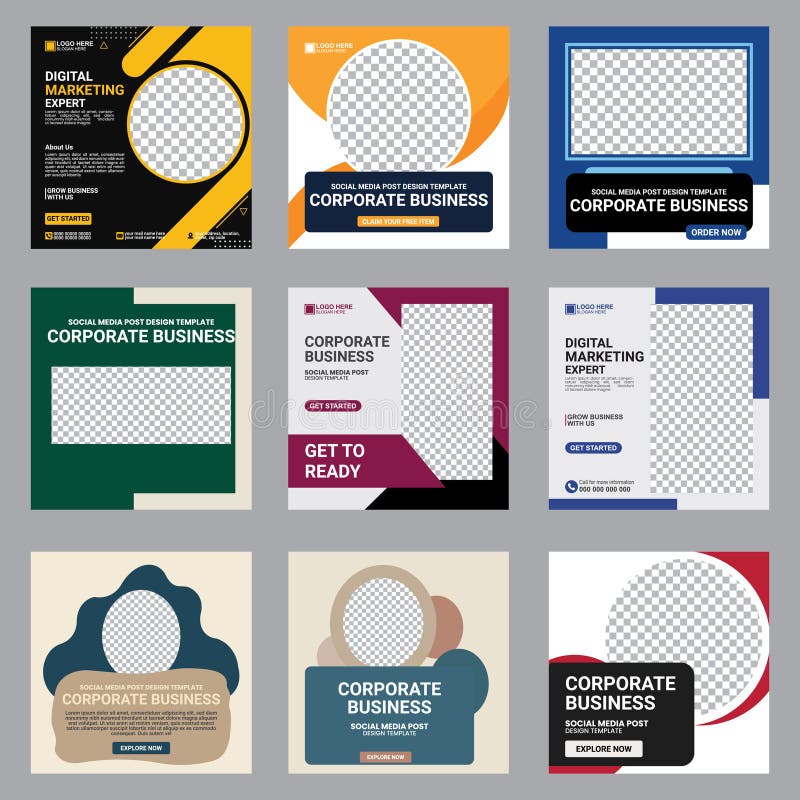
Consistent use of colour, typography, imagery and graphic elements helps audiences recognise a brand across different posts and platforms. This does not mean every post should look identical. Instead, create a flexible visual system that allows for variety while keeping the brand recognisable.
Useful elements of a social media design system can include:
- A defined colour palette and accessible colour combinations
- A consistent approach to headings and body text
- Guidance for photography, illustration and video
- Reusable templates for recurring content
- Clear rules for logos, icons and other brand assets
Templates can make production more efficient, especially for regular campaigns. They should be treated as a starting point, though—not a reason for every post to feel repetitive.
Design for the platform
Each social platform has its own formats, habits and viewing contexts. A design that works well in a square image may not translate neatly to a vertical video or a story. Consider how content will appear on a mobile screen, where key details may be cropped, covered by interface elements or viewed without sound.
Check current platform specifications before publishing, and preview designs at the size people are likely to see them. Keep important text away from the edges, make the main message easy to spot and avoid cramming too much information into a single image.
Make the message easy to understand
In a busy feed, clarity matters. Give each post one main idea and establish a clear visual hierarchy: the most important information should be the easiest to notice. Use contrast, scale and spacing to guide the eye, rather than relying on decorative elements to compete for attention.
Keep on-image copy brief and readable. More detailed information can sit in the caption, a carousel or a linked page. If a call to action is included, make it specific—for example, “Explore the collection” is more informative than “Find out more” when the next step is a product page.
Use imagery with purpose
Photography, illustration and motion can make a post more distinctive, but each visual should support the message. Choose imagery that feels relevant to the audience and consistent with the brand. Consider whether a real-life scene, a product close-up, an illustration or a simple graphic will communicate the idea most effectively.
Video and animation can be especially useful for showing a process, telling a short story or bringing a product to life. Keep the opening moments engaging, add captions where appropriate and make sure the content still makes sense when watched without sound.
Design with accessibility in mind
Accessible design helps more people engage with social content. Use legible type, sufficient contrast and straightforward layouts. Avoid placing essential information only within an image; include it in the caption where possible, and add alternative text when the platform supports it.
For video, captions can support people who are deaf or hard of hearing, as well as viewers watching in a quiet or sound-off setting. Avoid relying on colour alone to communicate meaning, and use clear language in both visual and written content.
Test, learn and improve
Good social media design develops over time. Review performance against the original objective, rather than judging a post by likes alone. Depending on the goal, useful measures might include reach, saves, shares, comments, click-throughs or conversions.
Testing small variations can reveal what resonates: try a different opening image, headline, format or call to action. Look for patterns across several posts, since a single result may not tell the whole story. Use what you learn to refine future content while keeping the brand’s visual identity intact.
Design that works harder
Strong social media design combines creativity with purpose. It captures attention, communicates quickly and gives people a clear reason to engage. By understanding the audience, designing for each platform, maintaining a recognisable identity and learning from performance, brands can create content that does more than fill a feed—it can build meaningful connections.
9 Benefits of Effective Design for Social Media Marketing
- Captures attention in busy feeds
- Builds brand recognition
- Communicates messages clearly
- Encourages audience engagement
- Creates a consistent brand identity
- Makes content easier to share
- Supports campaign goals
- Improves accessibility
- Helps content stand out
Challenges of Design for Social Media Marketing
- Can be time-consuming to create consistently.
- Trends can make designs feel dated quickly.
- Crowded feeds make it hard to stand out.
- Poor design may weaken brand recognition.
Captures attention in busy feeds
In busy social media feeds, strong design helps a post stand out and gives people a reason to pause their scroll. A striking image, clear visual hierarchy and concise message can capture attention in an instant, making it more likely that the audience will notice and engage with your content.
Builds brand recognition
Consistent design helps people recognise your brand as they scroll through social media. Using a distinctive and coherent mix of colours, typography, imagery and layout makes your posts easier to identify across different platforms. Over time, this visual familiarity can strengthen brand recall and help your business stand out in a crowded feed.
Communicates messages clearly
Clear social media design helps people understand a message at a glance. By combining concise copy with a strong visual hierarchy, readable typography and relevant imagery, it draws attention to the most important information and makes the next step obvious. This is especially valuable in fast-moving feeds, where people may only pause for a moment. When a post is easy to follow, audiences are more likely to remember its message and act on it.
Encourages audience engagement
Thoughtful design encourages audience engagement by making social media content inviting, clear and easy to interact with. Eye-catching visuals can prompt people to pause, while well-structured posts, relatable imagery and clear calls to action encourage them to comment, share, save or click through. By reflecting the audience’s interests and making the message easy to understand, design can turn passive scrolling into meaningful interaction.
Creates a consistent brand identity
Design for social media marketing helps create a consistent brand identity by bringing the same visual cues—such as colours, typography, imagery and layout—across every post and platform. This familiarity makes content easier to recognise in a busy feed and helps audiences build a clearer sense of what the brand represents. Consistency doesn’t mean every post has to look the same; a flexible design system allows for variety while keeping the brand distinctive and coherent.
Makes content easier to share
Well-designed social media content is easier for people to understand, remember and share. Clear messaging, eye-catching visuals and formats that work well on each platform encourage audiences to pass posts on to friends, colleagues or followers. This can help a brand reach new people organically, extending the impact of each post beyond its original audience.
Supports campaign goals
Design supports campaign goals by making each social media post work towards a clear outcome, whether that is building brand awareness, encouraging engagement, generating leads or driving sales. A strong visual hierarchy, relevant imagery and a focused call to action help audiences understand the message and know what to do next. By tailoring the design to the campaign objective, brands can create more purposeful content and measure its effectiveness more clearly.
Improves accessibility
Accessible social media design helps more people understand and engage with your content. Clear typography, strong colour contrast, concise wording and thoughtful layouts make posts easier to read, while captions and alternative text can support people who are deaf, hard of hearing, blind or partially sighted. Designing with accessibility in mind also benefits people viewing content on small screens, in bright light or with the sound turned off—making your message clearer for everyone.
Helps content stand out
Thoughtful design helps social media content stand out in busy, fast-moving feeds. Strong visuals, clear typography and a distinctive use of colour can catch people’s attention and encourage them to pause and engage. By creating content that is both eye-catching and consistent with the brand, businesses can make a memorable first impression and increase the chances that their message will be noticed.
Can be time-consuming to create consistently.
Creating high-quality social media content consistently can take considerable time. Each post may require planning, copywriting, design, adapting assets for different platforms and checking that everything meets brand and accessibility standards. Keeping up a regular publishing schedule can also leave less time for other marketing priorities, particularly for small teams. Reusable templates and a clear content plan can make the process more efficient, but maintaining variety and quality still takes ongoing effort.
Trends can make designs feel dated quickly.
One drawback of designing around social media trends is that they can fade almost as quickly as they appear. A visual style that feels current today may soon look dated, making content seem out of step with the brand or audience. Chasing every new trend can also weaken brand consistency, so it’s worth choosing only those that genuinely suit the message and adapting them in a way that still feels distinctive.
Crowded feeds make it hard to stand out.
Crowded social media feeds make it difficult for brands to capture attention, even when their content is well designed. People scroll quickly past a constant stream of posts, adverts and videos, so a design can be overlooked before its message has a chance to land. Standing out requires a distinctive visual identity and a clear, relevant idea—but using attention-grabbing techniques alone can make content feel forced or inconsistent with the brand.
Poor design may weaken brand recognition.
Poor design can make a brand difficult to recognise across social media. Inconsistent colours, typography and imagery may leave audiences unsure who a post comes from, while cluttered or unclear visuals can make the brand appear less credible. Over time, this lack of consistency weakens familiarity and makes it harder for a business to stand out in busy feeds.
Leave a Reply