
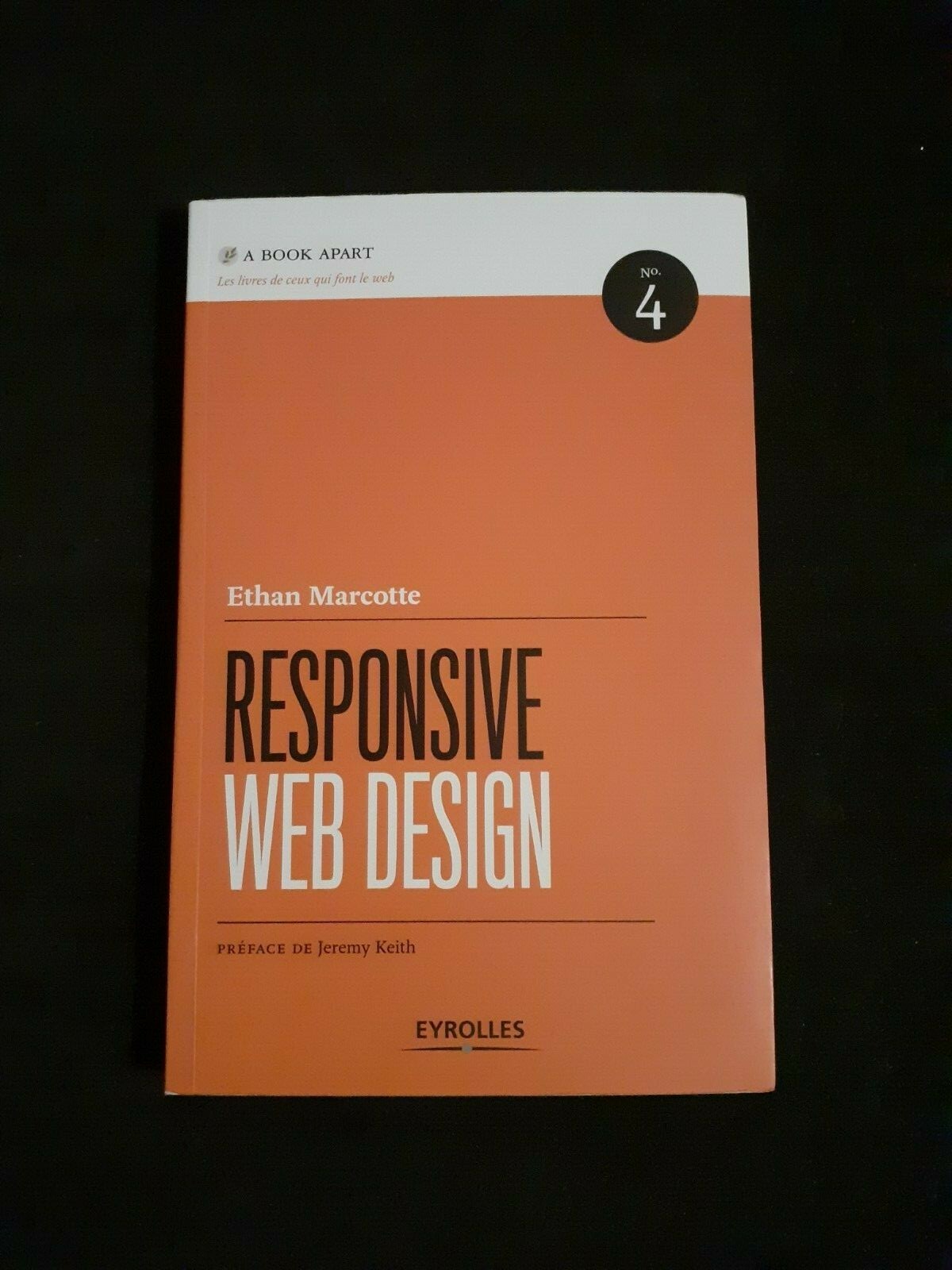
Responsive Web Design: Ethan Marcotte
Ethan Marcotte is a prominent figure in the world of web design, particularly known for his groundbreaking work in responsive web design. Born out of the need to create websites that adapt to various screen sizes and devices, responsive web design has revolutionized the way we approach building websites.
Marcotte’s seminal article “Responsive Web Design” published in 2010 on A List Apart laid the foundation for this new approach. By advocating for fluid grids, flexible images, and media queries, Marcotte introduced a paradigm shift that prioritized user experience across different devices.
His book “Responsive Web Design” further solidified his status as a thought leader in the field, providing practical guidance and best practices for designers and developers looking to create responsive websites. Marcotte’s work has influenced countless professionals and shaped the way websites are designed and built today.
With the ever-increasing variety of devices accessing the internet, responsive web design has become essential for ensuring a seamless user experience. Thanks to visionaries like Ethan Marcotte, we now have the tools and techniques to create websites that are not only visually appealing but also functional across all platforms.
Mastering Responsive Web Design: 8 Essential Tips Inspired by Ethan Marcotte
- Prioritize mobile design first
- Use fluid grids for layout
- Employ flexible images and media
- Implement media queries for responsiveness
- Focus on performance optimization
- Ensure touch-friendly navigation
- Test across various devices and browsers
- Stay updated with evolving web standards
Prioritize mobile design first
When it comes to responsive web design, following Ethan Marcotte’s advice to prioritize mobile design first is crucial. By starting the design process with a focus on mobile devices, designers can ensure that the website functions effectively and looks great on smaller screens. This approach encourages a user-centric design philosophy, where the needs and preferences of mobile users are given top priority. By establishing a strong foundation for mobile responsiveness, designers can then scale up the design for larger screens, creating a seamless and consistent user experience across all devices.
Use fluid grids for layout
In the realm of responsive web design, Ethan Marcotte’s advice to utilise fluid grids for layout stands out as a fundamental principle. By employing fluid grids, designers can create layouts that adapt dynamically to different screen sizes and resolutions, ensuring a consistent and user-friendly experience across devices. This approach allows content to flow seamlessly and responsively, maintaining visual harmony while accommodating the diverse array of screens in today’s digital landscape.
Employ flexible images and media
In the realm of responsive web design, Ethan Marcotte’s advice to employ flexible images and media stands out as a crucial tip for creating websites that adapt seamlessly to different screen sizes and resolutions. By incorporating images and media elements that can resize and scale proportionally based on the user’s device, designers can ensure that content remains visually appealing and accessible across various platforms. This approach not only enhances user experience but also underscores the importance of prioritizing flexibility and adaptability in modern web design practices.
Implement media queries for responsiveness
Implementing media queries for responsiveness is a fundamental aspect of Ethan Marcotte’s approach to responsive web design. By utilising media queries, designers can define specific CSS rules that apply based on the characteristics of the device or viewport size. This allows for a more tailored and adaptable layout that ensures optimal viewing experiences across a range of devices, from desktops to smartphones. Media queries empower designers to create flexible and dynamic designs that respond intelligently to the user’s screen size, ultimately enhancing usability and accessibility on the web.
Focus on performance optimization
When it comes to responsive web design, Ethan Marcotte emphasises the importance of focusing on performance optimization. By prioritising performance, designers and developers can ensure that websites not only look great on various devices but also load quickly and efficiently. Optimizing images, minifying code, and leveraging caching techniques are just some of the strategies that can enhance a website’s performance across different screen sizes and connection speeds. Marcotte’s advice underscores the significance of delivering a seamless user experience while maintaining high performance standards in the ever-evolving digital landscape.
Ensure touch-friendly navigation
In the realm of responsive web design, one invaluable tip from Ethan Marcotte is to prioritise touch-friendly navigation. By ensuring that menus, buttons, and other interactive elements are optimised for touchscreens, designers can enhance the user experience on mobile devices. Implementing larger tap targets, spacing out links to prevent accidental taps, and incorporating swipe gestures can all contribute to a more intuitive and user-friendly navigation system. Marcotte’s emphasis on touch-friendly design underscores the importance of accommodating the diverse ways users interact with websites, ultimately leading to a more engaging and accessible online experience.
Test across various devices and browsers
In the realm of responsive web design, following Ethan Marcotte’s advice to thoroughly test websites across a spectrum of devices and browsers is paramount. By conducting comprehensive testing, designers can ensure that their creations maintain consistency and functionality regardless of the platform used to access them. This meticulous approach not only enhances user experience but also underscores the importance of delivering a seamless and accessible online presence for all visitors.
Stay updated with evolving web standards
Staying updated with evolving web standards is a crucial tip in responsive web design, as highlighted by Ethan Marcotte. The digital landscape is constantly changing, with new technologies and best practices emerging regularly. By keeping abreast of the latest developments in web standards, designers and developers can ensure that their websites remain compatible with the latest browsers and devices. This proactive approach not only enhances user experience but also future-proofs websites, making them more resilient to technological advancements. Ethan Marcotte’s emphasis on staying informed underscores the importance of continuous learning and adaptation in creating successful responsive designs.
Leave a Reply