
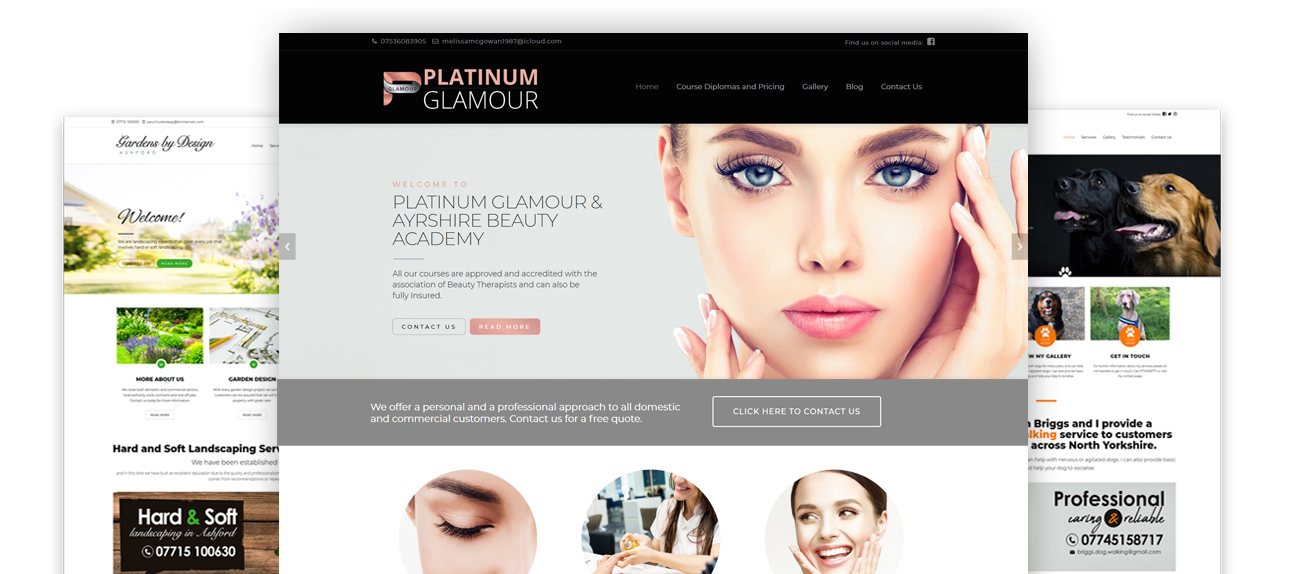
In today’s digital age, having a strong online presence is essential for businesses and individuals alike. One key aspect of establishing this presence is through effective web design. While the thought of designing a website may seem daunting to some, there are ways to make the process easier and more accessible for everyone.
When it comes to creating a website, simplicity is often key. Easy web design involves keeping things clean, organised, and user-friendly. By using clear navigation menus, concise content, and visually appealing layouts, you can create a website that is both aesthetically pleasing and easy to navigate.
HTML (Hypertext Markup Language) is the foundation of web design and knowing the basics can go a long way in simplifying the process. With HTML tags such as
for headings,
for paragraphs, and for images, you can structure your content in a logical and easy-to-read manner.
Another important aspect of easy web design is responsiveness. With an increasing number of users accessing websites on mobile devices, it’s crucial to ensure that your site looks good and functions properly across all screen sizes. Using CSS (Cascading Style Sheets) to create responsive designs can help you achieve this goal.
In addition to HTML and CSS, there are numerous tools and resources available that can further streamline the web design process. Website builders like Wix or WordPress offer pre-designed templates that you can customise to suit your needs. These platforms often come with drag-and-drop interfaces that make it easy to add elements like text boxes, images, and videos without needing to write any code.
Ultimately, easy web design is about creating a website that not only looks great but also serves its purpose effectively. By focusing on simplicity, responsiveness, and utilising available tools and resources, anyone can create a professional-looking website with relative ease. So whether you’re building a site for your business or personal use, remember that with the right approach, web design doesn’t have to be complicated.
8 Essential Tips for Effortless Web Design
- Keep the design clean and uncluttered.
- Use a simple colour scheme to ensure readability.
- Ensure easy navigation with clear menus and links.
- Optimize images for fast loading times.
- Make sure your website is mobile responsive.
- Include relevant and engaging content for visitors.
- Test your website across different browsers for compatibility.
- Regularly update and maintain your website to keep it fresh.
Keep the design clean and uncluttered.
When aiming for easy web design, a crucial tip to remember is to keep the design clean and uncluttered. By maintaining a simple and uncluttered layout, you can enhance the user experience and make it easier for visitors to navigate your website. Avoiding excessive elements, unnecessary graphics, and overcrowded text can create a visually appealing site that is both aesthetically pleasing and user-friendly. A clean and uncluttered design not only improves the overall look of your website but also helps in conveying your message clearly and effectively to your audience.
Use a simple colour scheme to ensure readability.
When it comes to easy web design, using a simple colour scheme is key to ensuring readability. By selecting a harmonious combination of colours that complement each other, you can create a visually appealing website that is easy on the eyes and enhances the readability of your content. Avoiding overly bright or clashing colours and opting for a clean, minimalist palette can help maintain a professional look while making it effortless for users to navigate and engage with your site’s content. Remember, simplicity in colour choice can go a long way in enhancing the overall user experience of your website.
Ensure easy navigation with clear menus and links.
A crucial tip for achieving easy web design is to ensure seamless navigation by incorporating clear menus and links throughout the website. By organising content logically and providing easily accessible navigation options, users can effortlessly move through the site and find the information they need without frustration. Clear menus and links not only enhance the user experience but also contribute to the overall usability and effectiveness of the website.
Optimize images for fast loading times.
Optimising images for fast loading times is a crucial tip in easy web design. By resizing and compressing images before uploading them to a website, you can significantly improve page loading speed and overall user experience. Large, high-resolution images can slow down a website’s performance, leading to frustrated visitors and potentially higher bounce rates. By keeping image file sizes small without compromising quality, you can ensure that your website loads quickly and efficiently, making it more accessible to users across different devices and network connections.
Make sure your website is mobile responsive.
Ensuring that your website is mobile responsive is a crucial tip for easy web design. With the increasing number of users accessing the internet on their mobile devices, having a site that adapts seamlessly to different screen sizes is essential. A mobile-responsive design not only enhances user experience but also improves your site’s visibility and accessibility. By implementing responsive design techniques using CSS, you can create a website that looks and functions flawlessly across various devices, providing a consistent and user-friendly experience for all visitors.
Include relevant and engaging content for visitors.
In the realm of easy web design, one crucial tip is to incorporate relevant and engaging content that captivates visitors from the moment they land on your site. By providing valuable information, compelling visuals, and interactive elements, you can create a user experience that not only informs but also delights. Ensuring that your content is tailored to the needs and interests of your target audience can help keep visitors engaged and encourage them to explore further. Remember, content is king in the digital world, so make it a priority to deliver high-quality, meaningful content that resonates with your visitors and adds value to their online experience.
Test your website across different browsers for compatibility.
An important tip for achieving easy web design is to thoroughly test your website across various browsers to ensure compatibility. Different browsers can interpret code differently, leading to discrepancies in how your website appears and functions. By testing your site on popular browsers such as Chrome, Firefox, Safari, and Edge, you can identify and address any issues that may arise, ensuring a seamless user experience for all visitors regardless of the browser they use.
Regularly update and maintain your website to keep it fresh.
Regularly updating and maintaining your website is crucial to ensuring its relevance and effectiveness. By keeping your content up-to-date, you not only provide visitors with valuable information but also demonstrate that your site is active and current. This can help improve user engagement and encourage repeat visits. Additionally, regular maintenance, such as checking for broken links, updating plugins, and monitoring site performance, can enhance the overall user experience and ensure that your website functions smoothly. By prioritising these tasks, you can keep your website fresh, dynamic, and in line with the latest trends in web design.
Leave a Reply