
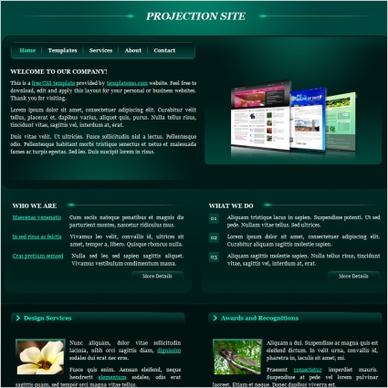
In the realm of web development, HTML remains a foundational language that underpins every digital experience we encounter. From static websites to dynamic web applications, HTML serves as the building blocks upon which designers and developers craft immersive online experiences.
HTML web page design projects offer a canvas for creativity and innovation, allowing designers to blend aesthetics with functionality seamlessly. Whether it’s creating a sleek landing page for a new product launch or developing a responsive website for a client’s business, HTML empowers designers to bring their visions to life on the digital stage.
One of the key strengths of HTML lies in its versatility. With its simple yet powerful structure, HTML enables designers to create visually stunning layouts while ensuring seamless user interaction. By leveraging elements such as headings, paragraphs, images, links, and forms, designers can design web pages that engage users and deliver information effectively.
Moreover, HTML’s compatibility with other web technologies like CSS and JavaScript opens up endless possibilities for enhancing user experience. By incorporating CSS for styling and layout design and JavaScript for interactivity and dynamic content, designers can elevate their HTML web page projects to new heights of sophistication.
Accessibility is another crucial aspect of HTML web page design projects. Designers must ensure that their creations are inclusive and user-friendly for individuals with disabilities. By following best practices such as using semantic HTML tags, providing alternative text for images, and ensuring keyboard navigation compatibility, designers can make their web pages accessible to all users.
In conclusion, HTML web page design projects offer a platform for creative expression and technical mastery. As the backbone of the web, HTML empowers designers to build captivating digital experiences that captivate audiences and drive engagement. By harnessing the power of HTML alongside complementary technologies, designers can create immersive web pages that leave a lasting impression on visitors.
Frequently Asked Questions About HTML Web Page Design Projects
- What is HTML used for in web page designing?
- What are some easy HTML projects for beginners?
- Can I learn HTML in 7 days?
- How to create a web page design in HTML?
What is HTML used for in web page designing?
In the realm of web page designing, HTML plays a fundamental role as the backbone of every digital creation. HTML, short for Hypertext Markup Language, serves as the standard markup language used to structure content on web pages. It provides designers with a set of tags and elements that define the layout, text formatting, images, links, and interactive elements of a web page. Essentially, HTML acts as the building blocks that developers use to craft visually appealing and functionally sound websites and web applications. By utilising HTML effectively, designers can create well-organised and accessible web pages that deliver content in a clear and structured manner to users across various devices and platforms.
What are some easy HTML projects for beginners?
For beginners delving into HTML web page design projects, there are several easy yet rewarding projects to kickstart their journey. Creating a simple personal webpage introducing themselves, complete with text, images, and links, is a great starting point. Building a basic online resume or portfolio page to showcase skills and achievements can also be an engaging project for beginners. Additionally, crafting a static landing page for a fictional business or product can provide hands-on experience in structuring content and layout design. These beginner-friendly HTML projects offer valuable opportunities to practice fundamental concepts while honing essential skills in web development.
Can I learn HTML in 7 days?
The question “Can I learn HTML in 7 days?” is a common query among individuals eager to delve into web development. While it is indeed possible to grasp the basics of HTML within a week through dedicated study and practice, mastering the intricacies of this foundational language may require more time and ongoing learning. Learning HTML in 7 days can provide a solid foundation for understanding how web pages are structured and designed, but true proficiency comes with continuous exploration, experimentation, and application of HTML concepts in real-world projects. Patience, persistence, and a willingness to learn beyond the initial timeframe are key to becoming proficient in HTML web page design projects.
How to create a web page design in HTML?
Creating a web page design in HTML involves a series of fundamental steps that form the backbone of any successful digital project. To begin, designers must outline the structure of the webpage using HTML tags such as ,
, and
. Within the section, crucial elements like the page title and meta information are defined. Next, designers can utilise HTML tags likefor headings,
for paragraphs, and for images to populate the content of the webpage. By incorporating CSS stylesheets for layout and design aesthetics, designers can enhance the visual appeal of their web page design. Finally, ensuring responsiveness and accessibility through responsive design techniques and semantic HTML elements guarantees a seamless user experience across devices. By following these steps and harnessing the power of HTML alongside other web technologies, designers can create compelling web page designs that resonate with audiences.
Leave a Reply