
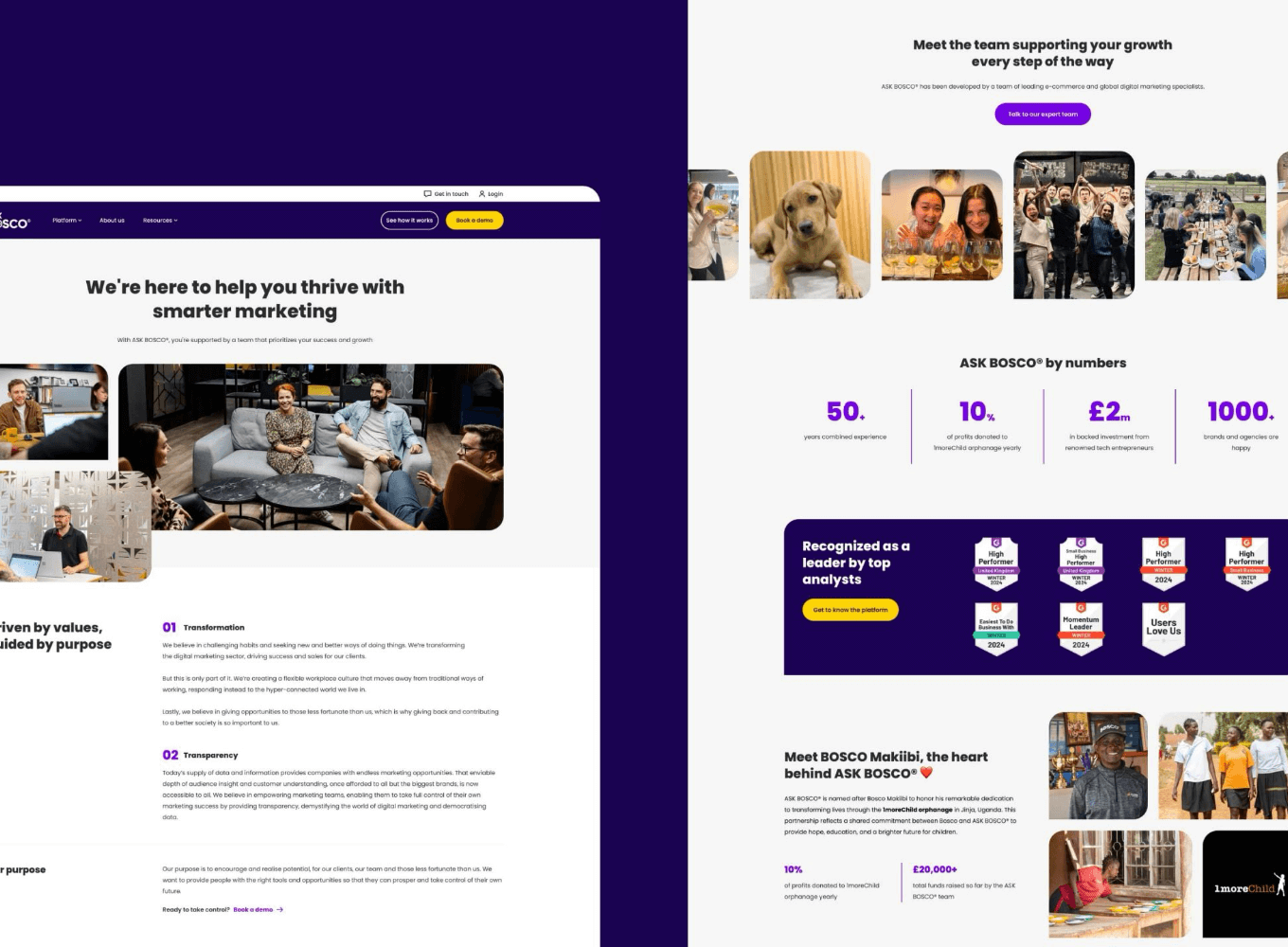
The Impact of Website Design in Digital Marketing
In today’s digital age, a well-designed website is a crucial component of any successful digital marketing strategy. Your website serves as the online face of your brand and is often the first point of contact for potential customers. Therefore, it is essential to ensure that your website design not only looks visually appealing but also aligns with your digital marketing goals.
Effective website design can significantly impact your digital marketing efforts in several ways:
- User Experience (UX): A well-designed website enhances user experience by making it easy for visitors to navigate and find the information they need. A positive user experience can lead to increased engagement and conversions.
- Branding: Your website design plays a crucial role in shaping your brand identity online. Consistent branding elements such as colours, fonts, and imagery help reinforce brand recognition and build trust with your audience.
- SEO (Search Engine Optimisation): Search engines favour websites with good design practices such as mobile responsiveness, fast loading times, and clear site structure. By implementing SEO-friendly design elements, you can improve your website’s visibility in search engine results.
- Conversion Rate Optimisation (CRO): An optimised website design can help improve conversion rates by guiding visitors towards desired actions such as making a purchase or filling out a contact form. Elements like clear calls-to-action and intuitive navigation are key to driving conversions.
Ultimately, investing in professional website design is an investment in the success of your digital marketing efforts. By creating a visually appealing, user-friendly, and SEO-optimised website, you can enhance brand perception, drive traffic, and convert visitors into loyal customers.
Top 5 Benefits of Effective Website Design in Digital Marketing
- Enhances user experience, leading to increased engagement and conversions.
- Reinforces brand identity and builds trust with the audience through consistent branding elements.
- Improves SEO by implementing design practices that search engines favour, increasing visibility in search results.
- Drives conversion rates by guiding visitors towards desired actions with clear calls-to-action and intuitive navigation.
- Creates a visually appealing, user-friendly, and SEO-optimised online presence that enhances brand perception.
Seven Common Website Design Pitfalls in Digital Marketing
- 1. Poor website design can lead to a high bounce rate, resulting in lost potential customers.
- 2. Outdated website design may convey a lack of credibility and professionalism to visitors.
- 3. Complex or confusing website navigation can frustrate users and drive them away from your site.
- 4. Slow-loading websites can negatively impact user experience and SEO rankings.
- 5. Inconsistent branding elements across different pages can weaken brand identity and recognition.
- 6. Lack of mobile responsiveness can alienate a significant portion of your audience who access the web via mobile devices.
- 7. Overly cluttered or visually distracting designs can overwhelm visitors and distract them from key messaging or calls-to-action.
Enhances user experience, leading to increased engagement and conversions.
Enhancing user experience through effective website design is a game-changer in digital marketing. By creating a seamless and intuitive browsing experience for visitors, businesses can significantly boost engagement levels and increase conversion rates. A user-friendly website that is easy to navigate and visually appealing not only keeps visitors on the site for longer but also encourages them to take desired actions, such as making a purchase or submitting their contact details. Ultimately, prioritising user experience in website design can pave the way for higher customer satisfaction, improved brand loyalty, and ultimately, greater success in digital marketing efforts.
Reinforces brand identity and builds trust with the audience through consistent branding elements.
In the realm of digital marketing, one of the key advantages of effective website design lies in its ability to reinforce brand identity and cultivate trust with the audience. By incorporating consistent branding elements such as colours, fonts, imagery, and messaging across all web pages, a well-designed website creates a cohesive and memorable brand experience for visitors. This uniformity not only enhances brand recognition but also instils a sense of reliability and professionalism, ultimately building trust with the audience and encouraging engagement and loyalty.
Improves SEO by implementing design practices that search engines favour, increasing visibility in search results.
One of the key advantages of effective website design in digital marketing is its ability to enhance SEO by incorporating design practices that search engines favour. By optimising elements such as mobile responsiveness, fast loading times, and clear site structure, a well-designed website can significantly boost visibility in search engine results. This strategic approach not only improves the chances of attracting organic traffic but also helps in establishing a strong online presence for the brand, ultimately driving better engagement and conversions.
Drives conversion rates by guiding visitors towards desired actions with clear calls-to-action and intuitive navigation.
An effective website design plays a pivotal role in driving conversion rates by strategically guiding visitors towards desired actions through clear calls-to-action and intuitive navigation. By incorporating prominent and compelling calls-to-action throughout the website, users are encouraged to take specific steps, such as making a purchase or signing up for a newsletter. Additionally, intuitive navigation ensures that visitors can easily find the information they seek, leading to a seamless user experience that increases the likelihood of conversions.
Creates a visually appealing, user-friendly, and SEO-optimised online presence that enhances brand perception.
One significant advantage of website design in digital marketing is its ability to create a visually appealing, user-friendly, and SEO-optimised online presence that enhances brand perception. A well-designed website not only captures the attention of visitors with its aesthetic appeal but also provides a seamless and intuitive user experience. By incorporating SEO best practices into the design, such as optimised content and site structure, the website becomes more visible to search engines, driving organic traffic and improving brand visibility. This cohesive approach to design not only attracts potential customers but also reinforces a positive brand image, ultimately contributing to increased trust and credibility in the digital landscape.
1. Poor website design can lead to a high bounce rate, resulting in lost potential customers.
When a website is poorly designed, with confusing navigation, slow loading times, or an unappealing layout, visitors are more likely to leave the site quickly without engaging further. This high bounce rate indicates that potential customers are not finding what they need or are deterred by the lacklustre design. As a result, businesses lose out on valuable opportunities to convert these visitors into customers. A high bounce rate due to poor website design can significantly impact the effectiveness of digital marketing efforts, highlighting the importance of investing in a user-friendly and visually appealing website to retain and engage visitors.
2. Outdated website design may convey a lack of credibility and professionalism to visitors.
In the realm of digital marketing, one significant drawback of outdated website design is its potential to convey a sense of lacking credibility and professionalism to visitors. A website that appears outdated or neglected can give the impression that the business behind it is also stagnant or unreliable. In today’s fast-paced digital landscape, where first impressions are paramount, a visually outdated website may deter potential customers and undermine the brand’s reputation, ultimately hindering its growth and success in the competitive online market.
3. Complex or confusing website navigation can frustrate users and drive them away from your site.
In the realm of digital marketing, one significant drawback of website design is the potential for complex or confusing navigation to frustrate users and ultimately lead them to abandon your site. When visitors encounter difficulties in finding their way around a website due to convoluted menus, unclear labels, or excessive clutter, their user experience is compromised. This can result in increased bounce rates, reduced engagement, and missed conversion opportunities as users are more likely to seek out simpler and more intuitive alternatives. Therefore, prioritising clear and straightforward website navigation is paramount in retaining user interest and maximising the effectiveness of your digital marketing efforts.
4. Slow-loading websites can negatively impact user experience and SEO rankings.
Slow-loading websites pose a significant con in digital marketing as they can have detrimental effects on both user experience and SEO rankings. When a website takes too long to load, users are more likely to abandon it out of frustration, leading to higher bounce rates and lower engagement levels. This poor user experience can tarnish the brand’s reputation and result in lost opportunities for conversions. Additionally, search engines like Google consider page speed as a ranking factor, meaning that slow-loading websites may be penalised with lower search engine rankings. Therefore, ensuring that your website is optimised for fast loading times is essential to maintain a positive user experience and improve SEO performance.
5. Inconsistent branding elements across different pages can weaken brand identity and recognition.
Inconsistent branding elements across different pages of a website can significantly weaken brand identity and recognition in digital marketing. When users encounter varying colours, fonts, imagery, or messaging as they navigate through different sections of a site, it can lead to confusion and dilute the overall brand image. Consistency is key in reinforcing brand recognition and building trust with the audience. Therefore, failing to maintain uniform branding elements throughout a website can hinder the establishment of a strong and cohesive brand identity online.
6. Lack of mobile responsiveness can alienate a significant portion of your audience who access the web via mobile devices.
In the realm of website design in digital marketing, a critical drawback lies in the absence of mobile responsiveness, which can lead to alienating a substantial segment of your audience that predominantly accesses the internet through mobile devices. Failure to optimise your website for mobile platforms can result in a poor user experience, slow loading times, and difficulty navigating the site on smaller screens. This oversight not only frustrates users but also hampers your digital marketing efforts by potentially losing out on valuable traffic and conversions from mobile users.
7. Overly cluttered or visually distracting designs can overwhelm visitors and distract them from key messaging or calls-to-action.
An excessive amount of clutter or visually distracting elements in website design can have a detrimental impact on digital marketing efforts. When a website is overcrowded with unnecessary graphics, animations, or text, visitors can become overwhelmed and struggle to focus on the key messaging or calls-to-action. This can lead to a poor user experience, increased bounce rates, and ultimately hinder the effectiveness of the website in converting visitors into customers. Simplifying the design and prioritising clear communication of essential information is crucial to ensure that visitors are engaged and guided towards taking desired actions on the website.
Leave a Reply