
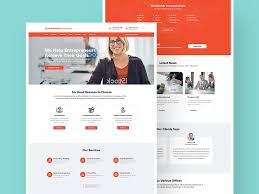
The Importance of Corporate Website Design
In today’s digital age, a corporate website is often the first point of contact between a company and its potential customers. As such, the design of a corporate website plays a crucial role in shaping the perception of the brand and influencing user engagement. Here are some key reasons why corporate website design is so important:
First Impressions Matter
Just like in face-to-face interactions, first impressions are vital online. A well-designed corporate website creates a positive first impression and instills confidence in visitors about the professionalism and credibility of the company.
Reflecting Brand Identity
A corporate website should accurately reflect the brand identity and values of the company. Consistent branding elements such as colours, typography, and imagery help to create a cohesive brand experience that resonates with visitors.
User Experience (UX) Matters
A user-friendly website design enhances the overall user experience, making it easy for visitors to navigate through the site, find information quickly, and engage with the content effectively. A seamless user experience can lead to higher conversion rates and customer satisfaction.
Mobile Responsiveness
In an era where mobile devices dominate internet usage, it is essential for corporate websites to be responsive and optimised for mobile devices. A mobile-friendly design ensures that users can access the website seamlessly across different devices, enhancing accessibility and user engagement.
SEO-Friendly Design
An effective corporate website design incorporates search engine optimisation (SEO) best practices to improve visibility on search engine results pages. By implementing SEO-friendly elements such as meta tags, keywords, and structured data, companies can enhance their online presence and reach a wider audience.
Building Trust and Credibility
A well-designed corporate website builds trust and credibility with visitors by providing accurate information, showcasing testimonials or case studies, and demonstrating expertise in the industry. Trustworthy websites are more likely to convert visitors into customers or leads.
Competitive Advantage
In a competitive business landscape, a professionally designed corporate website can give companies a competitive edge by standing out from competitors and attracting more attention from potential customers. An innovative and visually appealing design can differentiate a company from others in the market.
In conclusion, corporate website design is not just about aesthetics; it is a strategic tool for building brand identity, engaging users effectively, enhancing online visibility, and ultimately driving business growth. Investing in professional web design can yield long-term benefits for companies looking to establish a strong online presence and connect with their target audience.
Essential FAQs on Successful Corporate Website Design: Key Elements, Mobile Responsiveness, UX, SEO Integration, Brand Consistency, and Building Trust
- 1. What are the key elements of a successful corporate website design?
- 2. How important is mobile responsiveness in corporate website design?
- 3. What role does user experience (UX) play in the success of a corporate website?
- 4. How can SEO be integrated into corporate website design to improve online visibility?
- 5. What are some best practices for maintaining brand consistency in corporate website design?
- 6. How can a professionally designed corporate website help businesses build trust and credibility with their audience?
1. What are the key elements of a successful corporate website design?
When it comes to creating a successful corporate website design, several key elements play a crucial role in shaping the overall effectiveness and impact of the website. These elements include a visually appealing and consistent branding that reflects the company’s identity, intuitive navigation that makes it easy for users to find information, responsive design that ensures seamless access across different devices, engaging and relevant content that resonates with the target audience, strong call-to-actions that drive user engagement and conversions, search engine optimisation (SEO) best practices to improve visibility on search engines, and a focus on user experience (UX) to enhance usability and satisfaction. By incorporating these key elements into the design process, companies can create a corporate website that not only attracts visitors but also effectively communicates their brand message and drives business growth.
2. How important is mobile responsiveness in corporate website design?
Mobile responsiveness is paramount in corporate website design as the majority of internet users now access websites through mobile devices. A mobile-responsive design ensures that the website adapts seamlessly to different screen sizes and resolutions, providing a consistent and user-friendly experience across all devices. Not only does mobile responsiveness enhance user experience, but it also boosts search engine rankings, as search engines like Google prioritize mobile-friendly websites in their results. Ignoring mobile responsiveness can result in high bounce rates and lost opportunities for engagement and conversions, highlighting the critical importance of prioritizing mobile responsiveness in corporate website design.
3. What role does user experience (UX) play in the success of a corporate website?
The role of user experience (UX) in the success of a corporate website cannot be overstated. UX encompasses the overall feel, usability, and satisfaction that users experience when interacting with a website. A well-thought-out UX design is crucial for engaging visitors, guiding them through the site seamlessly, and ultimately converting them into customers or leads. By prioritising user needs, preferences, and behaviours, a corporate website can deliver a positive and intuitive user experience that fosters trust, encourages repeat visits, and enhances brand loyalty. In essence, investing in UX design is investing in the long-term success and effectiveness of a corporate website.
4. How can SEO be integrated into corporate website design to improve online visibility?
Integrating SEO into corporate website design is essential for enhancing online visibility and attracting organic traffic. To improve SEO, corporate websites can incorporate relevant keywords in meta tags, headings, and content to align with search engine algorithms. Implementing a logical site structure with clear navigation and internal linking can improve user experience and search engine crawlability. Optimising images with descriptive alt text, creating unique and valuable content, and ensuring fast page loading speed are also crucial factors in boosting SEO performance. By focusing on these SEO strategies during the website design process, corporate websites can increase their online visibility and reach a wider audience effectively.
5. What are some best practices for maintaining brand consistency in corporate website design?
Maintaining brand consistency in corporate website design is crucial for reinforcing brand identity and fostering trust with visitors. Some best practices to achieve this include using consistent branding elements such as colours, typography, and imagery throughout the website. Ensuring that the tone of voice and messaging align with the brand’s values and personality is also essential. Implementing a style guide that outlines design standards, usage of logos, and other visual elements can help maintain consistency across all web pages. Regularly auditing the website to ensure that all content reflects the brand accurately and updating it as needed is key to preserving brand integrity online. By adhering to these best practices, companies can create a cohesive and memorable online presence that resonates with their target audience.
6. How can a professionally designed corporate website help businesses build trust and credibility with their audience?
A professionally designed corporate website plays a pivotal role in fostering trust and credibility with the audience through several key mechanisms. Firstly, a polished and visually appealing design instils confidence in visitors, signalling professionalism and attention to detail. Secondly, clear and concise messaging, coupled with easy navigation, helps users find information effortlessly, demonstrating transparency and reliability. Thirdly, showcasing testimonials, case studies, or industry certifications on the website provides social proof of the company’s capabilities and satisfied clients, further enhancing credibility. Overall, a well-crafted corporate website acts as a virtual storefront that not only attracts but also reassures visitors, laying a strong foundation for building lasting relationships based on trust and credibility.
Leave a Reply