
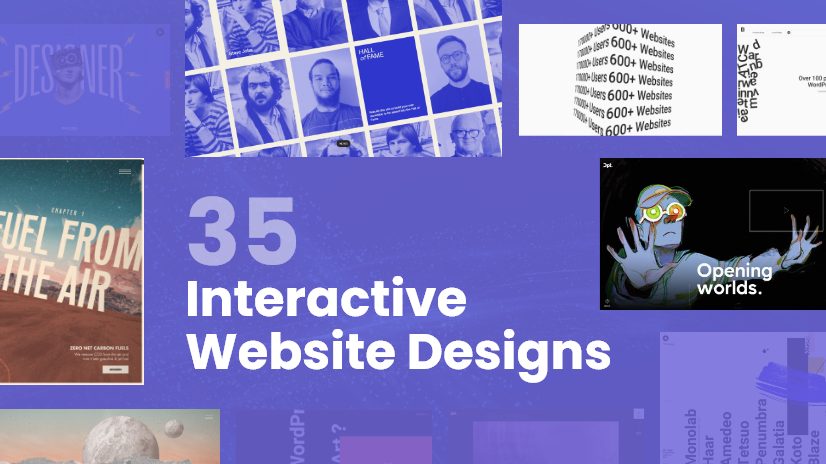
The Power of Interactive Web Design
Interactive web design is revolutionizing the way users engage with online content. Gone are the days of static websites that simply present information; today’s websites are dynamic, engaging, and responsive. Interactive design elements such as animations, videos, quizzes, and user-controlled features not only enhance user experience but also drive user engagement and interaction.
One of the key benefits of interactive web design is its ability to capture and maintain users’ attention. By incorporating interactive elements that encourage users to actively participate in the website experience, designers can create a more immersive and memorable browsing experience. This increased engagement can lead to longer visit durations, higher conversion rates, and ultimately, a more successful online presence.
Interactive web design also plays a crucial role in enhancing usability and accessibility. Features such as hover effects, click animations, and interactive forms can make navigating a website more intuitive and user-friendly. Additionally, interactive elements can cater to different learning styles and preferences, making it easier for users to absorb information and take desired actions.
Furthermore, interactive web design can help businesses stand out in a crowded online landscape. A visually appealing website with engaging interactive features can leave a lasting impression on visitors and differentiate a brand from its competitors. By creating a unique and memorable online experience, businesses can strengthen their brand identity and build customer loyalty.
In conclusion, interactive web design is not just a trend; it’s a powerful tool for creating engaging digital experiences that captivate audiences and drive results. By embracing interactivity in web design, businesses can unlock new opportunities for growth, creativity, and success in the digital world.
Exploring Interactive Web Design: Key Questions and Insights
- What is interactive web design and why is it important?
- How can interactive elements enhance user experience on a website?
- What are some examples of interactive design features commonly used in web design?
- How does interactive web design impact user engagement and conversion rates?
- What are the best practices for incorporating interactive elements into a website?
What is interactive web design and why is it important?
Interactive web design refers to the practice of creating websites that engage users through dynamic elements and features that encourage active participation. It goes beyond static content presentation by incorporating animations, videos, quizzes, user-controlled functions, and more. The importance of interactive web design lies in its ability to enhance user experience, drive engagement, and increase usability. By providing a more immersive and interactive browsing experience, interactive web design captures users’ attention, encourages longer visit durations, boosts conversion rates, and helps businesses differentiate themselves in a competitive online landscape. Ultimately, interactive web design plays a pivotal role in creating memorable digital experiences that resonate with audiences and contribute to the success of a brand’s online presence.
How can interactive elements enhance user experience on a website?
Interactive elements play a pivotal role in enhancing user experience on a website by fostering engagement, interactivity, and personalization. By incorporating features such as animations, sliders, interactive forms, and multimedia content, websites can create a dynamic and immersive browsing experience that captivates users’ attention. These interactive elements not only make the website more visually appealing but also enable users to actively participate in the content consumption process. This hands-on approach not only keeps users entertained but also helps them navigate the website more intuitively, leading to increased user satisfaction and a higher likelihood of achieving desired outcomes such as conversions or information retention. Ultimately, interactive elements bridge the gap between users and digital content, creating a more memorable and impactful user experience.
What are some examples of interactive design features commonly used in web design?
When it comes to interactive web design, there are numerous features that designers commonly incorporate to enhance user engagement and interactivity. Examples of interactive design features frequently seen in web design include animations that respond to user actions, such as hover effects and scrolling animations. Interactive forms with real-time validation and feedback help users input information accurately. Sliders, carousels, and image galleries allow for dynamic content presentation. Additionally, interactive maps, quizzes, surveys, and chatbots provide engaging ways for users to interact with the website. These features not only make the browsing experience more enjoyable but also encourage users to explore and engage with the content on a deeper level.
How does interactive web design impact user engagement and conversion rates?
Interactive web design has a profound impact on user engagement and conversion rates by creating a more immersive and engaging online experience. By incorporating interactive elements such as animations, videos, quizzes, and user-controlled features, websites can captivate users’ attention and encourage them to interact with the content. This increased engagement not only keeps users on the site for longer periods but also encourages them to explore further and take desired actions, ultimately leading to higher conversion rates. Interactive web design enhances usability, encourages interaction, and creates a more memorable browsing experience, all of which contribute to improved user engagement and increased conversions.
What are the best practices for incorporating interactive elements into a website?
When it comes to incorporating interactive elements into a website, several best practices can enhance user experience and engagement. Firstly, it is essential to maintain a balance between functionality and aesthetics, ensuring that interactive elements serve a purpose and do not overwhelm the user. Secondly, prioritising responsiveness is key – interactive features should work seamlessly across different devices and screen sizes to provide a consistent experience. Additionally, clear and intuitive navigation is crucial to guide users through the interactive elements effectively. Regular usability testing can help identify any issues and refine the interactive design for optimal performance. Lastly, considering accessibility standards ensures that all users, regardless of abilities, can fully engage with the interactive elements on the website. By following these best practices, designers can create compelling and user-friendly websites that effectively leverage interactive elements to enhance user interaction and overall browsing experience.
Leave a Reply