
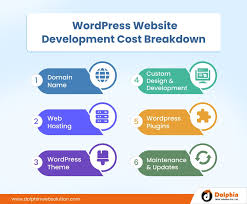
The Cost of Developing a WordPress Website
WordPress has become one of the most popular platforms for website development due to its user-friendly interface and flexibility. However, when it comes to creating a WordPress website, one of the key considerations is the cost involved.
Factors Affecting WordPress Website Development Costs
Several factors can influence the cost of developing a WordPress website:
- Design Complexity: The more intricate and customised the design, the higher the development cost.
- Functionality Requirements: Additional features such as e-commerce integration or membership portals can increase costs.
- Content Migration: Moving content from an existing site to WordPress may incur additional charges.
- SEO and Performance Optimisation: Ensuring your site is optimised for search engines and performance can impact costs.
- Maintenance and Support: Ongoing maintenance and support services may be necessary, adding to the overall expenses.
Average Costs of WordPress Website Development
The cost of developing a WordPress website can vary significantly based on project requirements and service providers. On average, a simple WordPress site with basic functionality can range from £500 to £2000. For more complex sites with advanced features, costs can escalate to £5000 or more.
Tips for Managing WordPress Development Costs
To ensure you stay within budget when developing a WordPress website, consider these tips:
- Define Clear Requirements: Outline your project goals and specifications upfront to avoid scope creep.
- Choose Wisely: Select a reputable web development agency or freelancer with experience in WordPress development.
- Prioritise Features: Focus on essential features first and consider adding enhancements in later phases to control costs.
- Maintain Communication: Stay in regular contact with your developer to address any concerns or changes promptly.
In conclusion, understanding the factors that influence WordPress website development costs is crucial for planning and budgeting effectively. By considering these aspects and following best practices, you can create a successful WordPress site that meets your needs without breaking the bank.
9 Advantages of WordPress Website Development: Cost-Effectiveness and Beyond
- 1. Cost-Effective
- 2. Quick Deployment
- 3. Scalability
- 4. User-Friendly Interface
- 5. SEO-Friendly
- 6. Community Support
- 7. Customisation Options
- 8. Mobile Responsiveness
- 9. Integration Capabilities
Five Hidden Costs of WordPress Website Development: What to Watch Out For
1. Cost-Effective
WordPress website development offers a significant advantage in terms of cost-effectiveness. When compared to custom-built websites, WordPress development is typically more budget-friendly. This affordability makes it an attractive option for businesses and individuals looking to establish a strong online presence without incurring exorbitant expenses. By leveraging the versatile features and extensive library of themes and plugins available on the WordPress platform, users can create professional-looking websites at a fraction of the cost associated with bespoke development.
2. Quick Deployment
One significant advantage of WordPress website development is the quick deployment it offers. Thanks to the extensive selection of templates and plugins at your disposal, creating and launching WordPress sites can be achieved swiftly and efficiently. The availability of these resources not only speeds up the development process but also allows for a high degree of customisation without compromising on time-to-market. This rapid deployment capability makes WordPress an ideal choice for businesses and individuals looking to establish an online presence promptly and effectively.
3. Scalability
One significant advantage of WordPress website development cost is its scalability. WordPress websites can effortlessly expand alongside your business’s growth trajectory without incurring substantial additional expenses. This scalability feature allows businesses to adapt their online presence to evolving needs and increasing demands without the burden of hefty development costs. Whether it’s adding new pages, features, or functionalities, WordPress provides a flexible platform that accommodates growth seamlessly, making it a cost-effective choice for businesses looking to scale their digital footprint efficiently.
4. User-Friendly Interface
One significant advantage of WordPress website development cost is its user-friendly interface. The intuitive dashboard provided by WordPress allows even non-technical users to effortlessly manage and update content on their websites. This accessibility empowers individuals and businesses to take control of their online presence without the need for extensive technical knowledge or expertise, ultimately saving time and money on website maintenance.
5. SEO-Friendly
WordPress website development cost is a worthwhile investment due to its SEO-friendly nature. With WordPress being built with SEO best practices in mind, it offers significant advantages in improving search engine rankings. By utilising features such as customizable permalinks, easy content management, and responsive design options, WordPress empowers websites to enhance their visibility and reach online audiences effectively. This pro not only contributes to better search engine rankings but also ensures that websites developed on WordPress have a solid foundation for long-term success in the digital landscape.
6. Community Support
One significant advantage of WordPress website development is the extensive community support it offers. As an open-source platform, WordPress benefits from a vast network of developers, designers, and users who actively contribute to its growth and provide valuable resources. This robust community ensures that developers have access to a wealth of knowledge, support forums, tutorials, and plugins, making it easier to troubleshoot issues, stay updated on best practices, and enhance the functionality of WordPress websites.
7. Customisation Options
One significant advantage of WordPress website development is the abundance of customisation options it offers. With a vast array of themes and plugins at your disposal, you have the flexibility to tailor the appearance and features of your site to suit your specific needs and preferences. Whether you’re aiming for a sleek and professional design or seeking to integrate advanced functionalities, WordPress provides a diverse selection of tools that empower you to create a unique and engaging online presence.
8. Mobile Responsiveness
One significant advantage of WordPress website development is its mobile responsiveness feature. With the majority of WordPress themes designed to be responsive, your website automatically adjusts to display optimally on different devices, including smartphones, tablets, and desktops. This ensures that your site maintains a professional and user-friendly appearance across various screen sizes, enhancing the overall user experience and accessibility for your audience.
9. Integration Capabilities
One significant advantage of WordPress website development is its integration capabilities. WordPress seamlessly connects with various third-party tools and services, enriching the functionality of a website. This feature allows users to easily incorporate essential elements such as e-commerce platforms, analytics tools, social media plugins, and more, enhancing the overall user experience and expanding the capabilities of the website. By leveraging these integration capabilities, businesses can create dynamic and interactive websites that cater to their specific needs and objectives effectively.
Cost Overruns
Cost Overruns can be a significant drawback when it comes to WordPress website development. Despite having initial estimates in place, the expenses involved in creating a WordPress site can quickly surpass these projections. This is often caused by unforeseen complications that arise during the development process or due to changes in the project scope. Such cost overruns can strain budgets and lead to financial challenges for clients, highlighting the importance of thorough planning and clear communication to mitigate these risks and ensure a more predictable development cost trajectory.
Quality Discrepancies
When considering the cost of WordPress website development, one significant drawback to be wary of is quality discrepancies. Choosing lower-cost development services may seem budget-friendly initially, but it can often lead to compromised quality. This compromise may manifest in various ways, such as functionality glitches or design inconsistencies, ultimately impacting the overall user experience and potentially harming the credibility of the website. Investing in reputable and experienced developers, even if it comes with a higher price tag, can help mitigate these quality issues and ensure a more robust and reliable end product.
Maintenance Expenses
One significant downside of WordPress website development cost is the maintenance expenses. While creating a WordPress site may initially seem affordable, the long-term ownership costs can escalate due to the need for ongoing maintenance and updates. Ensuring that your site remains secure, up-to-date, and optimized requires regular attention and resources, which can contribute significantly to the overall expenses of running a WordPress website. Failure to invest in proper maintenance can lead to security vulnerabilities, performance issues, and potential downtime, highlighting the importance of factoring in these ongoing costs when budgeting for a WordPress site.
Security Concerns
Security concerns are a significant con when it comes to WordPress website development costs. Poorly maintained WordPress sites are at risk of security breaches, leaving them vulnerable to cyber threats and malicious attacks. In the event of a breach, the site owner may incur additional costs for remediation, including fixing security vulnerabilities, restoring compromised data, and implementing enhanced security measures. Therefore, investing in robust security protocols and regular maintenance is essential to safeguarding a WordPress site from potential security risks and avoiding unforeseen expenses in the long run.
Dependency on Plugins
Dependency on plugins in WordPress website development can be a significant drawback. Relying extensively on plugins for added functionality may result in compatibility issues, performance slowdowns, and heightened maintenance costs. While plugins can offer convenient solutions for various features, an over-reliance on them can make the website vulnerable to conflicts between different plugins, impacting overall performance and user experience. Additionally, as plugins require regular updates to stay secure and compatible with the latest WordPress versions, the maintenance costs can escalate over time. It is essential to strike a balance between utilising plugins for enhanced functionality and ensuring the website’s long-term stability and efficiency.
Leave a Reply