
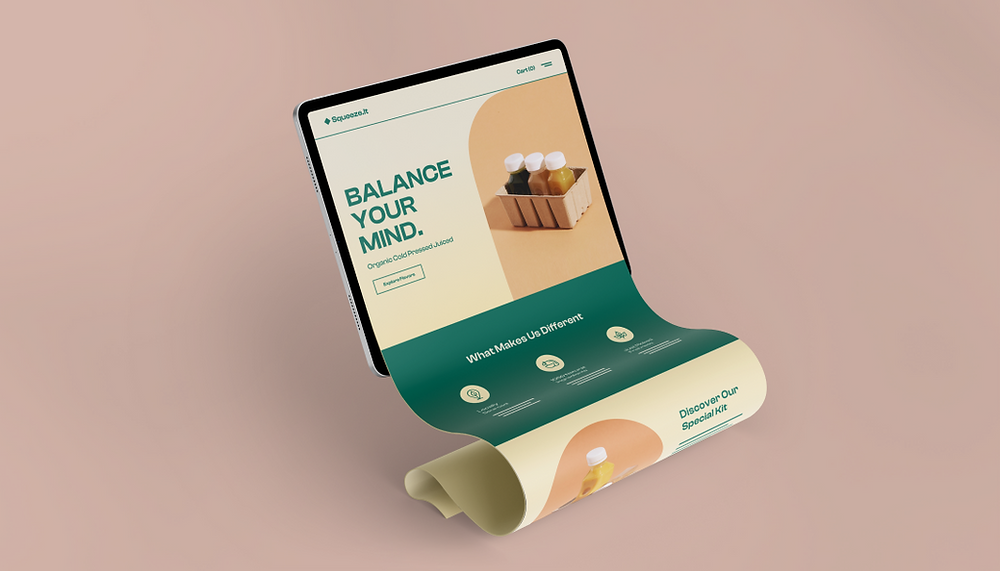
In the digital age, where attention spans are fleeting and first impressions are crucial, the importance of one-page web design cannot be overstated. This minimalist approach to website creation condenses all essential information onto a single, scrollable page, offering a seamless and intuitive user experience.
One-page websites are characterised by their simplicity and elegance. By eliminating the need for multiple pages and complex navigation menus, they provide a streamlined browsing experience that keeps visitors engaged and focused. The content is presented in a linear fashion, guiding users through a carefully crafted narrative that highlights key messages and calls to action.
From a design perspective, one-page websites offer endless creative possibilities. With no constraints imposed by multiple pages, designers have the freedom to experiment with innovative layouts, animations, and interactive elements. This allows for the creation of visually striking websites that leave a lasting impression on visitors.
In addition to their aesthetic appeal, one-page websites are also highly effective in conveying information quickly and efficiently. By presenting all relevant content on a single page, users can easily find what they’re looking for without having to navigate through multiple links and menus. This makes one-page websites particularly well-suited for mobile devices, where scrolling is preferred over clicking.
Furthermore, one-page web design can have significant benefits for search engine optimisation (SEO). By consolidating all relevant keywords and content onto a single page, websites can improve their search engine rankings and attract more organic traffic. This streamlined approach also makes it easier for search engines to crawl and index the site’s content.
In conclusion, one-page web design offers a compelling alternative to traditional multi-page websites. Its simplicity, creativity, and efficiency make it an ideal choice for businesses looking to make a bold statement online. Whether you’re launching a new product or promoting your services, a well-designed one-page website can help you stand out in the crowded digital landscape.
Essential Tips for Effective One-Page Web Design
- Keep the design simple and uncluttered to enhance readability and user experience.
- Use a cohesive colour scheme that complements your brand and creates visual harmony.
- Prioritise important information at the top of the page to capture users’ attention quickly.
- Ensure fast loading times by optimising images and minimising unnecessary elements.
- Include clear navigation menus to help users easily find their way around the page.
- Make your call-to-action buttons prominent and compelling to encourage user interaction.
Keep the design simple and uncluttered to enhance readability and user experience.
In the realm of one-page web design, simplicity reigns supreme. By keeping the design clean and uncluttered, you not only enhance readability but also elevate the overall user experience. A minimalist approach allows key information to shine through without distractions, guiding visitors seamlessly through your content. Clutter-free layouts not only improve visual appeal but also make navigation intuitive and effortless, ensuring that users can easily find what they’re looking for. Remember, in the world of one-page websites, less is often more when it comes to creating a memorable and engaging online presence.
Use a cohesive colour scheme that complements your brand and creates visual harmony.
When implementing one-page web design, it is essential to utilise a cohesive colour scheme that not only aligns with your brand identity but also fosters visual harmony throughout the website. By selecting colours that resonate with your brand’s values and messaging, you can create a consistent and memorable user experience. A well-chosen colour palette not only enhances the overall aesthetics of the site but also helps guide users’ attention to key elements and calls to action. This strategic use of colour can evoke specific emotions, reinforce brand recognition, and establish a strong visual identity that sets your website apart in the digital landscape.
Prioritise important information at the top of the page to capture users’ attention quickly.
In the realm of one-page web design, a crucial tip to maximise user engagement is to prioritise important information at the top of the page. By strategically placing key content, such as compelling headlines, essential services, or prominent calls to action near the top, you can capture users’ attention swiftly and effectively. This approach not only ensures that visitors immediately grasp the essence of your website but also encourages them to explore further down the page. Prioritising vital information at the top creates a strong initial impact, setting the tone for a seamless and engaging browsing experience that resonates with users from the outset.
Ensure fast loading times by optimising images and minimising unnecessary elements.
In the realm of one-page web design, a crucial tip to uphold is to prioritise fast loading times by meticulously optimising images and minimising superfluous elements. By compressing images without compromising quality and trimming unnecessary elements such as excessive animations or scripts, you can significantly enhance the user experience. Swift loading times not only improve user engagement but also contribute to better search engine rankings, ensuring that your one-page website captivates visitors from the moment they arrive.
Include clear navigation menus to help users easily find their way around the page.
In one-page web design, including clear navigation menus is essential to ensure that users can easily navigate and explore the content of the page. By providing intuitive and visible navigation links, users can quickly find their way around the site, jump to specific sections, and access important information without feeling lost or overwhelmed. Clear navigation menus enhance the user experience by guiding visitors through the content in a structured manner, ultimately improving engagement and retention on the page.
Make your call-to-action buttons prominent and compelling to encourage user interaction.
In the realm of one-page web design, a crucial tip to maximise user interaction is to ensure that your call-to-action buttons are both prominent and compelling. These buttons serve as the gateway for users to take the desired action, whether it’s making a purchase, signing up for a newsletter, or contacting your business. By making them visually distinct through contrasting colours, bold typography, and strategic placement on the page, you can effectively draw attention to them and prompt users to engage with your website. Additionally, crafting persuasive copy that clearly communicates the benefit of clicking the button can further incentivise users to take action. Remember, in the world of one-page web design, a well-designed call-to-action button can be the difference between a passive visitor and an active participant in your online journey.
Leave a Reply