
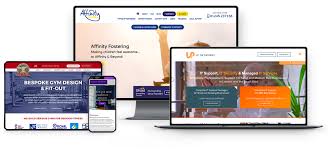
The Importance of Small Business Website Design
In today’s digital age, having a strong online presence is essential for any small business looking to thrive in a competitive market. One of the key components of establishing this presence is through effective website design.
A well-designed website serves as the virtual storefront for your business, often making the first impression on potential customers. It not only showcases your products or services but also reflects your brand identity and values. A visually appealing and user-friendly website can help build credibility and trust with visitors, encouraging them to engage further with your business.
Furthermore, a small business website should be optimised for mobile devices, as more and more people are accessing the internet through smartphones and tablets. Responsive design ensures that your site looks and functions seamlessly across all devices, improving user experience and keeping visitors engaged.
Effective website design also plays a crucial role in search engine optimisation (SEO). By incorporating relevant keywords, meta tags, and high-quality content, you can improve your site’s visibility on search engine results pages. This can drive organic traffic to your website and attract potential customers who are actively searching for products or services like yours.
Moreover, integrating call-to-action buttons, contact forms, and easy navigation elements can help convert visitors into leads or customers. By guiding users through the site and providing clear paths to purchase or contact, you can maximise conversions and ultimately drive sales.
Overall, investing in professional small business website design is a wise decision that can yield long-term benefits for your business. It not only enhances your online presence but also helps you stand out from competitors, attract new customers, and build lasting relationships with your audience.
Essential FAQs for Designing an Effective Small Business Website
- 1. How much does it cost to design a website for a small business?
- 2. What are the key features that a small business website should have?
- 3. How long does it take to build a website for a small business?
- 4. Do I need to hire a professional web designer for my small business website?
- 5. How can I ensure that my small business website is mobile-friendly and optimised for search engines?
1. How much does it cost to design a website for a small business?
The cost of designing a website for a small business can vary depending on several factors, such as the complexity of the design, the number of pages, the features and functionalities required, and whether you choose to work with a professional web designer or use DIY website builders. On average, a basic small business website design can range from a few hundred to a few thousand pounds. It’s important to consider not just the initial design cost but also ongoing expenses like domain registration, hosting fees, maintenance, and updates. Investing in a well-designed website tailored to your business needs is crucial for establishing a strong online presence and attracting potential customers.
2. What are the key features that a small business website should have?
When considering the key features that a small business website should have, it is crucial to prioritize elements that enhance user experience, convey brand identity, and drive conversions. Some essential features include a clear and intuitive navigation menu to help visitors easily find information, a responsive design that ensures compatibility across various devices, compelling visuals and engaging content to captivate audiences, prominent contact information for seamless communication, and strong calls-to-action to guide users towards desired actions such as making a purchase or contacting the business. By incorporating these key features, a small business website can effectively showcase its offerings, build credibility with visitors, and encourage meaningful interactions that lead to business growth.
3. How long does it take to build a website for a small business?
The timeline for building a website for a small business can vary depending on various factors such as the complexity of the design, features required, content creation, and client feedback. Typically, a simple website with basic functionality can be completed in a few weeks, while more complex projects may take several months to develop and refine. It’s important for small business owners to communicate their specific needs and expectations with their web design team to establish a realistic timeline that balances speed with quality to ensure the final product meets their objectives effectively.
4. Do I need to hire a professional web designer for my small business website?
When considering the question of whether to hire a professional web designer for your small business website, it’s important to weigh the benefits that come with expert design expertise. While there are DIY website builders available, a professional web designer can bring a level of skill and creativity that can elevate your online presence. A professional designer can tailor the website to suit your brand identity, ensure optimal functionality and user experience, and implement effective SEO strategies to improve visibility. Ultimately, investing in a professional web designer can lead to a polished and impactful website that sets your small business apart in the digital landscape.
5. How can I ensure that my small business website is mobile-friendly and optimised for search engines?
Ensuring that your small business website is both mobile-friendly and optimised for search engines is crucial in today’s digital landscape. To achieve this, you can start by implementing a responsive design that adapts seamlessly to various screen sizes, ensuring a consistent user experience across desktops, smartphones, and tablets. Additionally, focus on creating high-quality, relevant content that incorporates targeted keywords to improve your site’s visibility on search engine results pages. Regularly monitor and update your website’s performance metrics, such as page loading speed and mobile responsiveness, to maintain optimal user experience and enhance SEO rankings. By prioritising mobile-friendliness and SEO optimisation in your website design strategy, you can attract more organic traffic, engage users effectively, and ultimately drive business growth.
Leave a Reply