
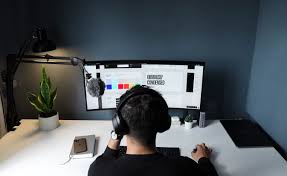
Affordable Custom Web Design: A Practical Guide for UK Businesses
A professional website can help a business build trust, explain its services and attract new customers. But “custom web design” can sound expensive, especially for start-ups and small businesses working to a budget. The good news is that a tailored website does not have to mean an oversized project or an eye-watering price.
Affordable custom web design is about making considered choices: focusing on what your business and customers need, prioritising the right features and investing in a site that can grow over time.
What does custom web design mean?
A custom-designed website is shaped around your brand, goals and audience rather than simply using a generic layout unchanged. This might include a distinctive visual style, carefully planned page structure, tailored content and features chosen for your business.
Custom does not necessarily mean that every element is built from scratch. A designer may use a reliable content management system or established technical tools, then adapt the design and functionality to suit your requirements. This can offer a useful balance between flexibility, quality and cost.
How to make a custom website more affordable
Start with the essentials
Begin by identifying what the website needs to do. A clear set of priorities helps keep the project focused. For many businesses, the essentials include:
- A clear description of services or products
- Contact details and a straightforward enquiry route
- A responsive design that works on mobile devices
- Accessible, easy-to-read content
- Basic search engine optimisation foundations
More advanced features, such as booking systems, customer accounts or complex integrations, can be added where they support a genuine business need.
Keep the first version focused
It is tempting to launch with every idea at once. However, a smaller, well-planned website can be easier to manage and more affordable to build. Start with the pages and functions your audience needs most, then add to the site as your business develops.
Prepare your content
Writing, editing and sourcing images can take a significant amount of time. Having your key messages, service details and photography ready before the design work begins may help keep the project moving smoothly. If you need support with content, discuss this early so it can be included in the scope and budget.
Choose technology that suits your needs
The best platform depends on how the website will be used and maintained. A small business site may not need the same technology as a large online shop. Ask how easy it will be to update the site, what ongoing costs to expect and whether the platform can support likely future changes.
Custom design or a template?
A template can be a cost-effective option when you need a simple site quickly and have limited requirements. It may also be a sensible starting point for testing a new business idea.
Custom design may be more suitable when your brand needs to stand apart, your content does not fit standard layouts, or you require specific functionality. It can also help create a more consistent experience across the site. The right choice depends on your goals, not on which option sounds more impressive.
What affects the cost of web design?
Website costs vary according to the amount of design and development work involved. Factors can include:
- The number and complexity of pages
- Whether branding or visual assets need to be created
- The amount of copywriting and image work required
- Custom features, integrations or e-commerce functionality
- Content migration from an existing website
- Testing, training and ongoing support
When comparing proposals, look beyond the headline price. Check what is included, what falls outside the agreed scope and whether services such as hosting, maintenance, domain renewal or content updates are charged separately.
How to choose a web design partner
A good design partner should take time to understand your business and explain their process in clear terms. Before agreeing to a project, consider asking:
- What work is included in the quoted price?
- Who will provide the content and images?
- Will the website work across different screen sizes?
- Can the site be updated without specialist help?
- What support is available after launch?
- How will any additional work be priced?
Clear answers can help you understand the value of a proposal and avoid unexpected costs later on.
Think beyond the launch
A website is not a one-off expense. It may need updates, security checks, fresh content and occasional improvements. Allowing for these costs from the outset can make your investment more manageable. A well-planned site should also be built with room to adapt, so you can add features when they become useful rather than paying for them before you need them.
Affordable design, built around your business
Affordable custom web design is not about cutting corners. It is about setting clear goals, choosing the right level of functionality and making thoughtful decisions about where to invest. With a focused brief and a transparent process, it is possible to create a distinctive, useful website that fits your budget and supports your business as it grows.
Top 5 FAQs About Affordable Custom Web Design: Costs, Packages, Timelines, and More
- How much does affordable custom web design cost?
- What is included in an affordable custom website design package?
- How long does it take to design and build a custom website?
- Is custom web design better than using a website template?
- Are there ongoing costs after my website has been launched?
How much does affordable custom web design cost?
The cost of affordable custom web design depends on the size and complexity of your website, the features you need and whether you already have content and branding in place. A simple, tailored site will usually cost less than an online shop or a project requiring bespoke functionality. Ask for a clear quote that explains what’s included, such as design, development, mobile optimisation and testing, and check whether hosting, maintenance or future updates are charged separately. This makes it easier to compare proposals and choose a solution that fits your budget without paying for features you don’t need.
What is included in an affordable custom website design package?
An affordable custom website design package typically includes a tailored visual design, a set number of pages, responsive layouts for mobile and desktop, and a content management system so you can make basic updates yourself. It may also cover contact forms, basic search engine optimisation, website testing and launch support. Inclusions vary between providers, so check whether copywriting, photography, domain registration, hosting, ongoing maintenance and extra features are included or charged separately.
How long does it take to design and build a custom website?
The time needed to design and build a custom website depends on its size, functionality and how quickly content and feedback are provided. A straightforward small-business site may take around four to eight weeks, while larger websites or projects with features such as e-commerce, booking systems or bespoke integrations can take several months. The process typically includes planning, design, development, content entry, testing and launch. Agreeing the scope early and providing timely feedback can help keep the project on schedule.
Is custom web design better than using a website template?
Custom web design can be a better choice if your business needs a distinctive look, specific features or a user journey tailored to your customers. A website template is often quicker and less expensive to set up, making it a practical option for simpler sites or tighter budgets. The right choice depends on your goals: custom design offers more flexibility, while a template can provide a cost-effective starting point.
Are there ongoing costs after my website has been launched?
Yes, there may be ongoing costs after launch, such as website hosting, domain name renewal, maintenance, security updates and any premium tools or integrations your site uses. The exact costs depend on how your website is built and the level of support you need. Before work begins, ask your web designer which services are included, what is charged separately and what you can manage yourself, so you can plan for the full cost of running your website.
Leave a Reply