
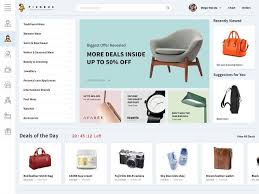
Choosing an Ecommerce Website Designing Company
An ecommerce website is more than an online shop window. It is where customers discover products, compare options and decide whether to buy. A well-designed store makes that journey straightforward, builds confidence in your brand and supports your business as it grows. An ecommerce website designing company can bring together design, technology and commercial strategy to help make that happen.
What does an ecommerce website designing company do?
An ecommerce website designing company plans and builds online shops around the needs of both the business and its customers. Depending on the project, its work may include:
- Strategy and planning: understanding your products, audience, objectives and competitors.
- User experience design: mapping clear routes from product discovery to checkout.
- Visual design: creating a distinctive, consistent look that reflects your brand.
- Website development: building the shop using a suitable platform and technical approach.
- Platform integrations: connecting payment services, stock systems, delivery providers and other tools.
- Ongoing support: maintaining the site, resolving issues and helping it adapt as your business changes.
The exact scope varies. Some companies provide a complete service, while others specialise in particular platforms, design, development or ongoing optimisation.
Why professional ecommerce design matters
Online shoppers expect websites to be easy to use, quick to load and reliable on any device. If product information is hard to find or checkout feels complicated, customers may leave before completing a purchase. Thoughtful design can reduce friction at each stage of the buying journey.
A strong ecommerce website should make it simple to browse categories, search for products, understand pricing and delivery details, and complete a purchase securely. It should also help customers feel confident through clear policies, accessible contact information, customer reviews and consistent branding.
Features to look for in an online shop
Every store has different requirements, but the following features are common foundations:
- Responsive design: pages should work well on mobile phones, tablets and desktop computers.
- Clear product pages: useful descriptions, high-quality imagery, pricing and availability should be easy to understand.
- Simple navigation: customers should be able to find products without unnecessary steps.
- Streamlined checkout: a clear checkout process can make buying easier and reduce abandonment.
- Secure payments: payment options should be reliable and appropriate for your customers.
- Search engine foundations: sound page structure, relevant content and technical setup can support organic visibility.
- Accessibility: inclusive design helps more people use your website, including customers who rely on assistive technology.
- Analytics: meaningful reporting can show how visitors use the site and where improvements may be needed.
How to choose the right company
Start by looking for a company with relevant ecommerce experience and examples of work that demonstrate both strong design and practical functionality. Ask how it approaches research, planning, development and testing, and find out who will be responsible for each part of the project.
It is also important to discuss the platform. The right choice depends on factors such as the size of your product range, how you manage stock, the integrations you need and your plans for growth. A good partner should explain the options in plain language rather than recommending a platform without understanding your business.
Before committing, clarify what is included in the proposal. Check whether content, product uploads, training, launch support, hosting and ongoing maintenance are covered. Ask about project milestones, communication, costs and what happens if requirements change.
What to expect during the design process
A typical ecommerce project begins with discovery. The company learns about your customers, products, objectives and existing systems. This is followed by planning the site structure and customer journeys, then developing the visual design and building the website.
Before launch, the site should be tested across devices and browsers. The team should check key functions, including search, product options, payment, delivery settings and confirmation emails. After launch, ongoing monitoring can help identify technical issues and opportunities to improve the customer experience.
Building a store that can grow
A successful online shop needs to support more than its launch-day requirements. As a business grows, it may need additional product categories, new sales channels, updated integrations or improved fulfilment processes. Planning for flexibility from the outset can make future changes easier and reduce the need for costly redevelopment.
Choosing an ecommerce website designing company is therefore an important business decision. Look for a team that listens carefully, understands your commercial goals and can explain how its recommendations will benefit your customers. With the right strategy and a considered design, your ecommerce website can become a practical, engaging part of your business for the long term.
Ecommerce Website Design FAQs: UK Costs, Design Services and the Best Website Builders in 2026
- How much does it cost to hire someone to build an eCommerce website?
- How do you design an e-commerce website?
- How much does it cost to build an eCommerce website in the UK?
- Is eCommerce still worth it in 2026?
- How much does it cost to design an eCommerce website?
- How much does an e-commerce website builder cost?
- Which website builder is best for eCommerce?
- How much does it cost to have a website professionally designed?
How much does it cost to hire someone to build an eCommerce website?
The cost of hiring someone to build an eCommerce website depends on its size, design, features and platform. A straightforward shop using a pre-built theme may cost a few thousand pounds, while a bespoke site with custom functionality, product integrations or complex checkout requirements can cost tens of thousands. Remember to budget for ongoing expenses such as hosting, platform fees, payment processing, maintenance and future updates. Ask for a detailed quote that explains what is included, so you can compare proposals fairly.
How do you design an e-commerce website?
Designing an e-commerce website starts with understanding your business, products and customers. The process typically includes planning the site structure, creating a clear and attractive design, and building responsive pages that work well on mobile and desktop. Product listings, search, navigation, secure payment options and a straightforward checkout are designed to make shopping easy. The site is then tested across devices and browsers before launch, with search engine optimisation, analytics and ongoing improvements helping it perform over time.
How much does it cost to build an eCommerce website in the UK?
The cost of building an eCommerce website in the UK depends on its size, functionality and level of customisation. A simple online shop using an established platform may cost a few thousand pounds, while a bespoke site with complex integrations, custom features or a large product catalogue can cost considerably more. Remember to budget for ongoing expenses such as hosting, platform fees, payment processing, maintenance and marketing. A reputable ecommerce website designing company should provide a clear, itemised quote after discussing your requirements, rather than offering a one-size-fits-all price.
Is eCommerce still worth it in 2026?
Yes, eCommerce is still worth it in 2026, but success depends on offering customers a clear reason to buy from you. A well-designed online shop can help your business reach new audiences, sell around the clock and build lasting customer relationships. With competition high, it’s important to invest in a smooth mobile experience, secure and straightforward checkout, useful product information and reliable delivery. An experienced eCommerce website designing company can help you choose the right platform and create a store that supports your goals, while leaving room to grow.
How much does it cost to design an eCommerce website?
The cost of designing an eCommerce website depends on its size, features and level of customisation. A straightforward shop using an established platform and ready-made theme will generally cost less than a bespoke website with custom design, complex product options or integrations with stock, payment and delivery systems. Content creation, product uploads, testing and ongoing support can also affect the total. A reliable quote should set out what is included and any additional costs, so it’s worth discussing your requirements with an eCommerce website designing company before comparing proposals.
How much does an e-commerce website builder cost?
The cost of an e-commerce website builder varies depending on the platform, features and level of support you need. Basic plans may cost a modest monthly fee, while more advanced options can include higher subscription charges, transaction fees, paid themes or extra apps. If you hire an ecommerce website designing company to create a bespoke store, the overall cost will usually be higher and depend on the design, functionality, integrations and ongoing support required. Ask for a clear breakdown of setup costs, recurring fees and any additional charges before choosing an option.
Which website builder is best for eCommerce?
The best website builder for eCommerce depends on your products, budget and plans for growth. Shopify is a popular choice for businesses seeking an all-in-one platform that’s straightforward to manage, while WooCommerce offers flexibility for businesses already using WordPress. Other platforms may suit brands with specific design, sales or integration needs. An experienced eCommerce website designing company can help you compare options, taking account of features such as payment processing, stock management, delivery, ease of use and ongoing costs before recommending the right fit.
How much does it cost to have a website professionally designed?
The cost of having a website professionally designed depends on its size, features and level of customisation. A straightforward ecommerce site using an established platform may cost less than a bespoke store requiring complex integrations, custom functionality or a large product catalogue. Ongoing costs, such as hosting, maintenance and platform fees, should also be considered. An ecommerce website designing company can provide an accurate quote once it understands your requirements, so ask for a clear breakdown of what is included before choosing a supplier.
Leave a Reply