
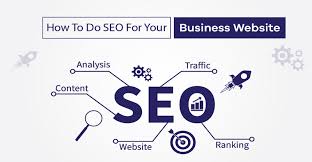
SEO for Your Business Website: A Practical Guide
A well-designed website is only useful if potential customers can find it. Search engine optimisation (SEO) helps your business appear in relevant search results, bringing more of the right people to your website. It is not a quick fix or a one-off task; it is an ongoing process of making your site more useful, accessible and understandable to both visitors and search engines.
What is SEO?
SEO is the practice of improving a website so that it can appear more prominently in unpaid search results. It includes the content you publish, the way your pages are organised, your site’s technical performance and the reputation your website builds across the web.
For a business, effective SEO is not simply about attracting more visitors. It is about reaching people who are looking for the products, services or expertise you provide.
Start with your customers
Before choosing keywords or changing your website, consider what your customers need. What questions do they ask before making a decision? What problems are they trying to solve? What words do they use when searching for a business like yours?
These insights can guide your website content. A page that clearly answers a real customer question is more valuable than one written just to repeat popular search terms.
Choose relevant keywords
Keywords are the words and phrases people type into search engines. Researching them can help you understand what your audience is looking for and how they describe it.
- Focus on phrases that relate closely to your products or services.
- Consider specific searches, such as a service combined with a location or a particular need.
- Look for questions customers commonly ask.
- Avoid forcing keywords into a page where they do not read naturally.
Each important page should have a clear purpose and focus. Trying to make one page rank for every service you offer can make it less useful to readers and less clear to search engines.
Create helpful, original content
Good content gives visitors a clear reason to stay, learn more or get in touch. Write in plain English and explain what you offer, who it is for and what makes your business a suitable choice. Useful content might include service pages, guides, frequently asked questions, case studies and practical advice.
Keep information accurate and up to date. Avoid copying text from other websites, and do not publish pages that add little value. Search engines aim to show people helpful results, so content should be created for your audience first.
Make every page clear
Page titles and headings help visitors understand what a page is about. They also provide useful context to search engines. Give each page a unique, descriptive title, and use headings to organise the information logically.
Write concise page descriptions that accurately summarise the content. These descriptions may appear in search results and can encourage people to visit your site, although they are not a direct guarantee of higher rankings.
Use descriptive links rather than vague phrases such as “click here”. For images, add alternative text where it helps explain the image to people using assistive technology.
Improve the technical experience
A website should be easy to use on different devices, load promptly and allow search engines to access its pages. Technical improvements can include:
- Making the website work well on mobile phones and tablets.
- Improving page speed by optimising images and reducing unnecessary scripts.
- Using secure HTTPS connections.
- Creating a logical site structure with clear navigation.
- Fixing broken links and removing duplicate or outdated pages.
Technical SEO can become complex, but even straightforward improvements can make a website easier for customers to use and search engines to understand.
Build local visibility
If your business serves customers in a particular area, local SEO can help you appear in location-based searches. Keep your business name, address and telephone number consistent across your website and relevant business listings. Complete and maintain your business profile on major search and map services, including accurate opening hours, contact details and service information.
Genuine customer reviews can also help people feel confident about choosing your business. Ask for feedback in an honest and appropriate way, and respond professionally to reviews where possible.
Measure progress and keep improving
SEO results take time, and rankings can change. Use analytics and search performance tools to see which pages attract visitors, what searches bring people to your site and whether those visitors take useful actions, such as making an enquiry or purchasing a product.
Review your content regularly. Update details that have changed, improve pages that are difficult to understand and look for unanswered customer questions. Measure success against business outcomes—not just traffic or rankings.
Common SEO mistakes to avoid
- Writing for search engines instead of people.
- Repeating keywords unnaturally.
- Publishing thin, duplicated or misleading content.
- Ignoring mobile users and page speed.
- Expecting immediate results from SEO.
- Using shortcuts that promise guaranteed rankings.
Make SEO part of your business strategy
SEO works best when it is part of a broader effort to provide a useful website and a strong customer experience. Clear content, sound technical foundations and a genuine understanding of your audience can help your business become easier to find—and easier to choose.
Start with a few practical improvements, track what changes and continue refining your website as your business and customers’ needs evolve.
5 Essential SEO Tips for Your Business Website
- Use relevant keywords in page titles and headings.
- Write clear, useful content for your customers.
- Make your website mobile-friendly and fast.
- Add descriptive alt text to images.
- Keep your business details consistent across the web.
Use relevant keywords in page titles and headings.
Use relevant keywords in your page titles and headings to help visitors and search engines quickly understand what each page is about. Choose phrases that reflect the words your customers are likely to search for, and include them naturally—for example, in a service page title or a clear section heading. Keep titles specific and headings descriptive, but avoid cramming in keywords, as this can make your content awkward to read.
Write clear, useful content for your customers.
Write clear, useful content that answers your customers’ questions and helps them make informed decisions. Explain your products or services in straightforward language, focusing on what people need to know rather than squeezing in keywords. Helpful, original content makes your website more valuable to visitors and helps search engines understand what your business offers.
Make your website mobile-friendly and fast.
Make sure your website works smoothly on mobile phones and loads quickly. Many potential customers browse on the go, and a slow or difficult-to-use site can lead them to leave before they find what they need. Use a responsive design, keep pages simple and compress large images to improve loading times. A fast, mobile-friendly website provides a better experience for visitors and makes it easier for search engines to understand and rank your pages.
Add descriptive alt text to images.
Add descriptive alt text to images so visitors using screen readers can understand what each image shows. Keep it concise and specific, and explain the image’s purpose when that is relevant—for example, “Handmade oak dining table in a light-filled showroom” rather than “table”. If an image is purely decorative, use empty alt text so assistive technology can skip it. Clear alt text improves accessibility and also gives search engines useful context about your images.
Keep your business details consistent across the web.
Keep your business details consistent across the web by using the same business name, address, telephone number and website URL on your website, social media profiles, directories and map listings. Consistent information helps customers contact you with confidence and makes it easier for search engines to verify your business, particularly in local search results. If any details change, update them across all your listings as soon as possible.
Leave a Reply